
REVIEW · COMMUNISM & WWII HISTORY TOURS
Communism and its fall Prague private tour
Communism has a map in Prague. On this private 2-hour walk, Jana Neubergova turns central landmarks into a clear story, from everyday street corners to the Velvet Revolution. Two things I really liked: Jana’s personal, lived-in perspective, and the way the route links big political change to places you can actually stand in front of.
You’ll cover National Theater, Narodni Street, Lucerna Arcade, Wenceslas Square, and the Memorial to the Victims of Communism. One consideration: admission tickets aren’t included for the first four stops, so if you want to go inside any buildings, plan on buying those tickets yourself (the memorial stop is free).
In This Review
- Key things to know before you go
- Prague’s communism story comes from streets, not just museums
- Meet Jana Neubergova: the difference between a guide and a witness
- Price and logistics: what $85 buys you (and what it doesn’t)
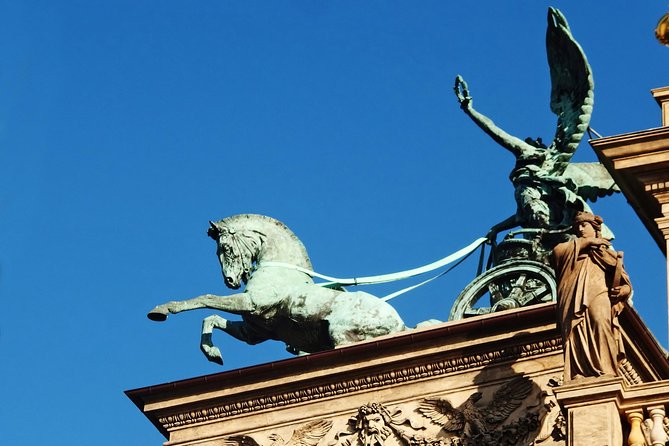
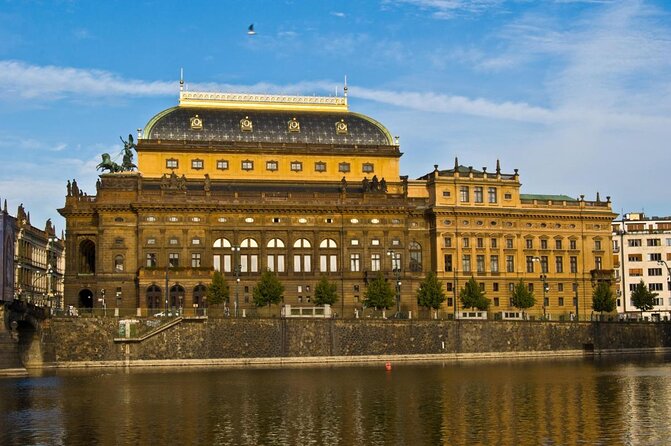
- Stop 1: National Theater and Czech identity in plain sight
- Stop 2: Narodni Street and the start of the Velvet Revolution
- Stop 3: Lucerna Arcade and Vaclav Havel’s family legacy
- Stop 4: Wenceslas Monument and Prague’s protest heart
- Stop 5: Memorial to the Victims of Communism (free and direct)
- Who this tour is best for (and who might want a different format)
- Value check: is it worth it?
- Should you book Communism and its fall in Prague?
- FAQ
- How long is the Communism and its fall Prague private tour?
- Is the tour offered in English?
- Is this tour private or shared with other groups?
- Do you offer pickup in Prague?
- What’s included in the price?
- Are entrance tickets included for the stops?
- Is the Memorial to the Victims of Communism included for free?
- What days and times does the tour operate?
- What is the cancellation policy?
Key things to know before you go
- A guide who lived the turning point: Jana Neubergova participated in the November 1989 demonstrations and later worked for Vaclav Havel.
- A tight, two-hour route: five major stops in central Prague without dragging you across the whole city.
- History you can point to: each location gets tied to what happened there and why it mattered.
- Tickets mostly on you: National Theater, Narodni Street area, Lucerna Arcade, and Wenceslas Monument have no included admission.
- Free stop at the end: the Memorial to the Victims of Communism entry is free.
- Low-friction logistics: English tour, mobile ticket, and pickup offered on foot from Prague hotels.
The 20th century left its mark here. More of that history, on foot.
- Prague: Communism History and Nuclear Bunker Guided Tour★ 4.7 · 2,417 reviews
- Prague Communism History and Nuclear Bunker Tour★ 5.0 · 1,742 reviews
- Communism & Nuclear Bunker Tour + 70s Canteen Lunch (own expense)★ 5.0 · 1,036 reviews
- Prague: WWII Guided Tour & The Crypt of Operation Anthropoid★ 4.7 · 1,030 reviews
Prague’s communism story comes from streets, not just museums
If you’ve only seen Prague’s castles and bridges, you’ll miss a huge slice of the twentieth century. This tour focuses on how communism worked in real life, and how people pushed back—using landmarks that sit right in the city’s daily flow. You’re not just looking at monuments; you’re learning why these spots became gathering points, communication hubs, and protest stages.
The best part for me is the balance: you get political context, but it’s anchored to physical places you can revisit later. After the walk, you’ll likely find yourself noticing details on your own—building entrances, the layout of squares, and the way crowds naturally form around major civic sites.
Meet Jana Neubergova: the difference between a guide and a witness
This is the kind of tour where the guide changes the whole experience. Jana Neubergova isn’t presenting communism as a textbook topic. She brings personal knowledge from the period, including active involvement in the Velvet Revolution and later work connected to Vaclav Havel.
From what you’re shown on the route, you can tell Jana’s approach is about cause and effect. She can connect what happened in November 1989 to the emotional tone of public space—why people felt safe in one moment, angry in the next, and unstoppable once momentum built. You’ll also hear how civic leaders and ordinary people were linked through shared goals.
Practical takeaway: if you ask questions, you’ll get more than a quick answer. Jana tends to connect your question to the specific stop you’re standing at—so your time stays relevant instead of drifting into generalities.
Price and logistics: what $85 buys you (and what it doesn’t)
At $85 per person for about 2 hours, you’re paying for a professional, fully licensed guide and a focused route that fits into a busy Prague schedule. You also get a free map of Prague, which is genuinely useful for planning the rest of your days on your own.
Logistics are straightforward:
- Pickup is offered on foot from Prague hotels. That helps a lot if you don’t want to navigate to a meeting point with luggage or busy streets.
- The tour is private, meaning it’s only your group.
- Private transportation isn’t included, so the format is a walk through central areas.
- You’ll likely want moderate physical fitness, since you’re touring on foot for the full duration.
One value note: because tickets for most stops aren’t included, the tour price is less about paying for entries and more about paying for interpretation. If you’re the kind of traveler who likes understanding the why behind what you see, that’s exactly where your money goes.
Stop 1: National Theater and Czech identity in plain sight
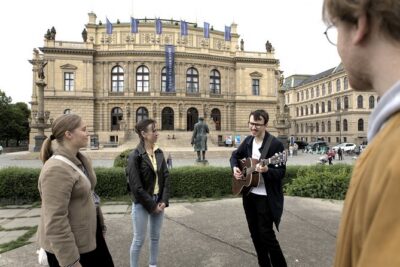
You start at the National Theater, a site that played an important role in Czech history. Even if you don’t go inside, you’ll quickly understand why this place matters: theaters and public cultural institutions weren’t just for entertainment. In many times and places, they became symbols of language, identity, and public life.
This stop is listed for about 10 minutes, and admission isn’t included. So here’s the practical way to handle it:
- Expect exterior orientation and guided explanation.
- If you’re curious about the building itself, plan to buy any entry ticket separately.
Drawback to consider: if your idea of a great history tour is lots of indoor time, this may feel a bit more street-and-facts than museum-and-gallery. Still, that’s also the point: the tour wants you moving through the city the way events moved—stop to stop, moment to moment.
Rather have the guide to yourself? More private tours of Prague.

Stop 2: Narodni Street and the start of the Velvet Revolution
Next comes Narodni Street, identified as where the Velvet Revolution started. This is one of those stops where you’re meant to picture crowds and momentum, not just read a marker. Jana’s job here is to translate the movement from a headline into something you can feel in context.
You’ll spend about 15 minutes here. Again, admission isn’t included, which makes sense because streets don’t sell tickets. What you will get is interpretation: why the location worked, how people used public space to connect and coordinate, and how the atmosphere shifted as demonstrations gained strength.
Tip for you as you’re listening: keep an eye on the street’s flow and nearby sightlines. Even without invented details, the layout helps you understand why a protest could turn into a turning point.
Stop 3: Lucerna Arcade and Vaclav Havel’s family legacy
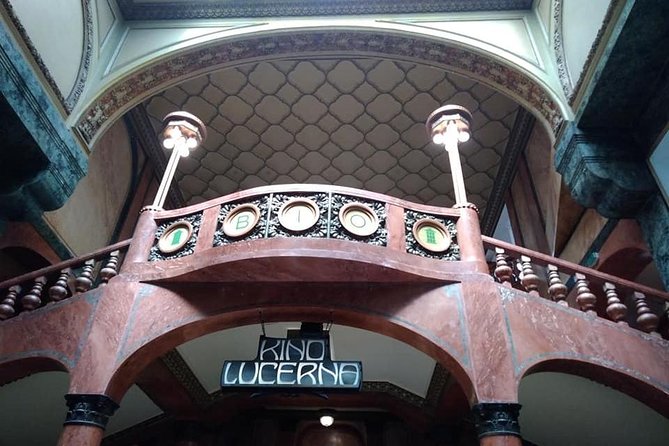
Then you move to Lucerna Arcade, described as an important cultural and social center founded by Vaclav Havel’s family. This stop is only about 10 minutes, but it carries a lot of meaning.
Why it matters: a space tied to Havel’s family isn’t just a building name—it’s a reminder that political change is often connected to culture, conversation, and influence networks. Jana’s explanations at this stop help you connect the revolution’s public face with the quieter groundwork that makes public action possible.
As with the earlier stops, admission isn’t included. So you’ll likely use this moment for orientation and context rather than paid entry. If you want deeper museum-style time, you can always build that into your personal schedule later, but on this tour you’re getting the storyline version.
Stop 4: Wenceslas Monument and Prague’s protest heart
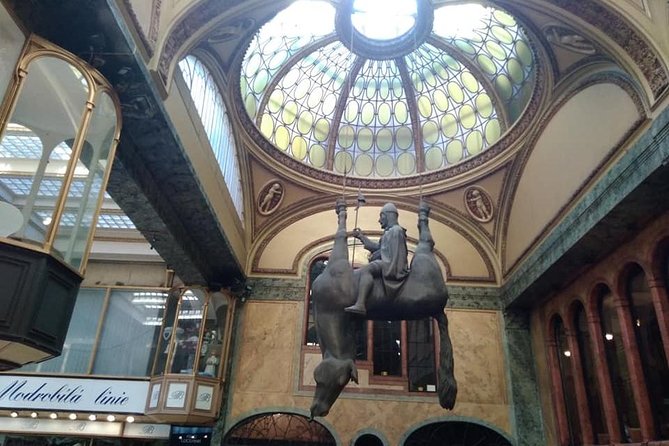
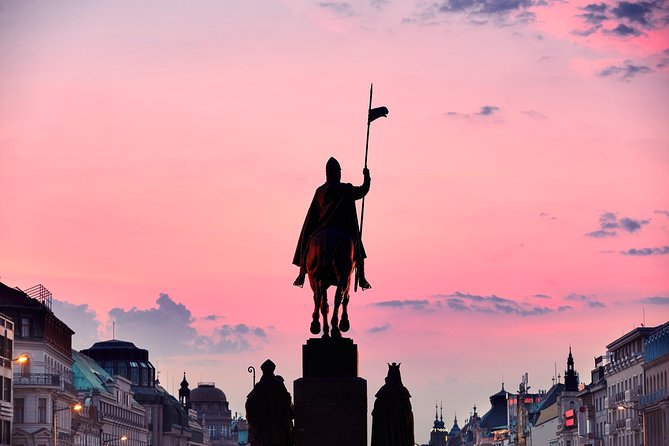
At Wenceslas Monument, located on Wenceslas Square, you’re at the heart of Prague’s demonstration tradition. This is one of the biggest “why this spot” locations on the entire walk, because Wenceslas Square is where modern civic life becomes visible at scale.
You’ll spend around 20 minutes here, the longest stop before the memorial. Admission isn’t included, so again you’re meant to absorb the setting and the meaning. If you’ve ever watched a big city rally from a distance, you’ll recognize the rhythm: major squares pull people in, and they give events a natural stage.
Consideration: because this is the center of public gatherings, it can feel busy depending on the day and time. That’s not a deal-breaker, but it can change the listening experience. Bring patience, keep your voice low, and you’ll get more out of the explanation instead of fighting street noise.
Stop 5: Memorial to the Victims of Communism (free and direct)
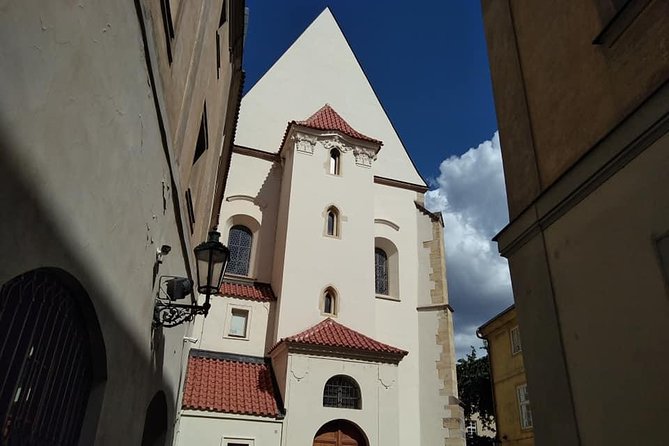
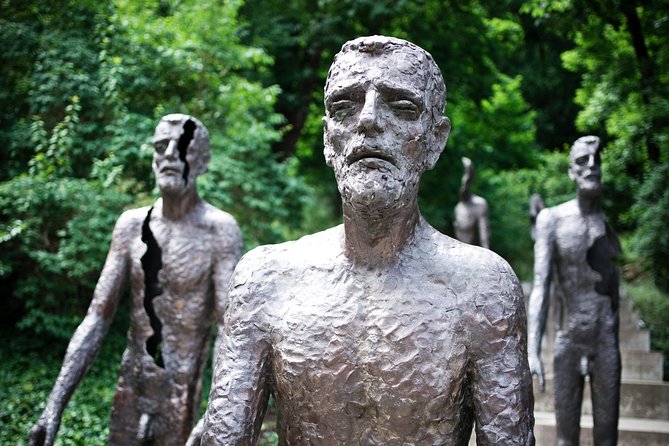
The walk ends at the Memorial to the Victims of Communism, created by sculptor Olbram Zoubek. This is listed for 15 minutes, and the best surprise is that entry is free.
This stop has a different emotional tone than the earlier ones. Where the first parts help you understand how events started and spread, this memorial forces you to face the cost: victims, suffering, and the human side of ideology. Even if you don’t read every name or detail, you’ll understand quickly why it’s on the route. Jana’s explanations here tend to steer you toward empathy rather than just facts.
Practical note: because it’s free, you don’t need to budget for additional entry costs at the end. That makes the tour feel more complete.
Who this tour is best for (and who might want a different format)
This is a smart fit if you:
- want a focused, 2-hour history walk without committing a whole day
- like hearing stories tied to places you can revisit later
- care about the real human side of political change, not just dates and dates again
It’s also a good match if you’re traveling with people who learn by conversation and context. A private tour gives you room to ask, and Jana’s background means your questions can turn into specific explanations.
You might want a different style of tour if you:
- strongly prefer indoor museums with included tickets
- want lots of time at each stop to explore independently
- dislike walking for about two hours total
Value check: is it worth it?
For $85, you’re paying for a professional guide, a tight itinerary, and interpretation you can’t get from walking around alone. The free map is a nice bonus, and the hotel on-foot pickup reduces wasted time.
The main “value trade” is that tickets are not included for the first four stops. But that’s also why the price stays reasonable. If you’re the type who would otherwise pay for entry ticket after entry ticket just to fill time, this tour keeps the budget focused on guidance and meaning.
If you want a simple rule: book it when your priority is understanding the communist era and its fall through real locations.
Should you book Communism and its fall in Prague?
I’d book this if you want Prague history with a pulse. Jana Neubergova’s role as a participant in the Velvet Revolution—and her later connection to Vaclav Havel—makes this tour feel personal in a grounded, non-theatrical way. You’ll walk away knowing why Narodni Street matters, why Wenceslas Square mattered for demonstrations, and why the memorial isn’t just another stop.
One more practical nudge: if you’re the kind of traveler who likes to plan smart, check the building hours for anything you might want to enter on your own later—since this route doesn’t bundle admission.
If you’re on the fence, also consider that the tour is English, private, and includes mobile ticketing, which keeps the whole day from turning into admin work. And if plans shift, you can cancel for a full refund as long as you cancel at least 24 hours in advance.
FAQ
How long is the Communism and its fall Prague private tour?
It’s approximately 2 hours.
Is the tour offered in English?
Yes, the tour is offered in English.
Is this tour private or shared with other groups?
This is a private tour/activity. Only your group will participate.
Do you offer pickup in Prague?
Yes. Pickup is offered on foot from all Prague hotels.
What’s included in the price?
The tour includes a professional, fully licensed guide and a free map of Prague. A mobile ticket is also included.
Are entrance tickets included for the stops?
No. Admission tickets are not included for National Theater, Narodni Street, Lucerna Arcade, and Wenceslas Monument.
Is the Memorial to the Victims of Communism included for free?
Yes. Admission to the Memorial to the Victims of Communism is free.
What days and times does the tour operate?
The tour is offered Monday through Sunday, 9:00 AM to 6:00 PM, during the listed service range.
What is the cancellation policy?
You can cancel up to 24 hours in advance for a full refund.
More Tour Reviews in Prague



More Private Tours of Prague
More Communism & Wartime History

More Prague tours we have written up lately



Communism & WWII History Tours, compared.
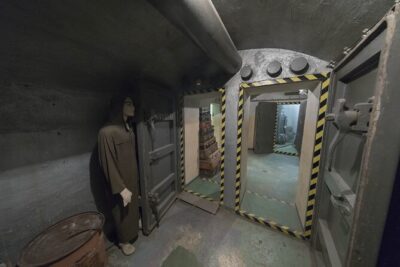
 ★ 4.7Communism History and Nuclear Bunker Guided TourFrom $442,417 reviews
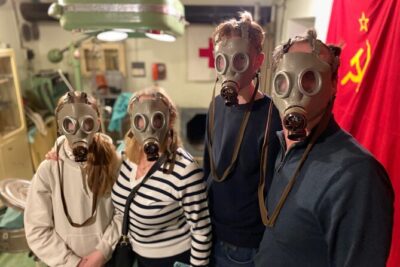
 ★ 5.0Prague Communism History and Nuclear Bunker TourFrom $451,742 reviews
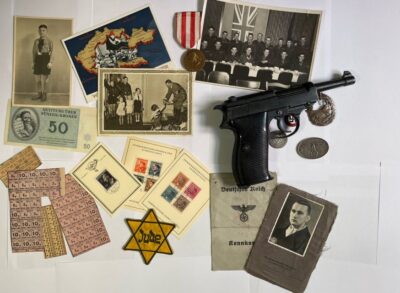
 ★ 5.0Communism & Nuclear Bunker Tour + 70s Canteen Lunch (own expense)From $351,036 reviews
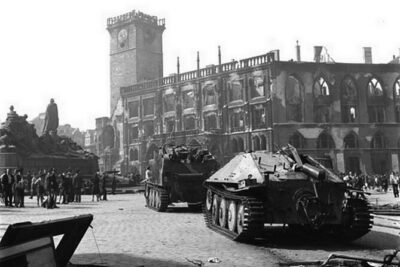
 ★ 4.7WWII Guided Tour & The Crypt of Operation AnthropoidFrom $421,030 reviews
 ★ 5.0WWII in Prague Tour & The Crypt of Operation AnthropoidFrom $43817 reviews
 ★ 4.8Communism and Bunker Tour with 70s Canteen LunchFrom $34269 reviews
 ★ 5.0Small-Group World War 2 & Operation Anthropoid Tour in PragueFrom $33231 reviews
 ★ 4.8World War 2 and Operation Anthropoid Walking TourFrom $32193 reviews
Browse the lists this tour appears in