
REVIEW · COMMUNISM & WWII HISTORY TOURS
World War II 4WD Tour from Prague with Lunch
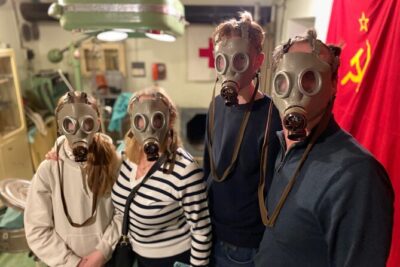
WWII feels close in Sudetenland. This Prague-area 4WD trip starts in an authentic WWII underground shelter where you can see and touch original war items up close.
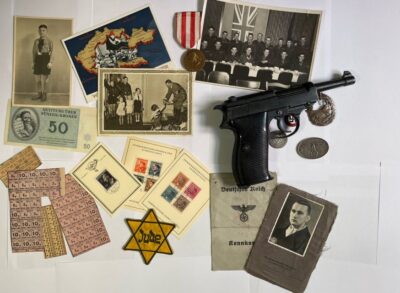
I especially love the hands-on side of the day: original personal IDs, documents, maps, and even Nazi-era guns and wartime debris come with context from Martin, so it’s not just sightseeing. I also like the pacing and access you get with small groups (max 6).
One consideration: it’s not wheelchair-friendly, and you’ll be on uneven outdoor ground, so comfortable shoes matter.
In This Review
- Key highlights you won’t forget
- From Prague to NW Bohemia in a 4×4, not a coach
- The underground shelter start: WWII you can walk into
- Nazi war documents and the “this is what they used” feeling
- Forced labor and fuel production: why the countryside mattered
- Bunkers, shelters, and underground tunnels you can connect mentally
- The air raids: RAF and US bombing in the story of fuel production
- Lunch in a real Czech setting with beer included
- Timing and pacing: how the day flows (and where you’ll feel it)
- Who should book this WWII 4×4 tour from Prague?
- Price and value: where the $293 per person makes sense
- Should you book? My straight answer
- FAQ
- How long is the WWII 4WD tour from Prague?
- Is pickup and drop-off included?
- What’s the maximum group size?
- Is lunch included, and does it come with beer?
- Is the tour suitable for children and older adults?
- Is the tour wheelchair accessible?
Key highlights you won’t forget
- Hands-on WWII artifacts: IDs, documents, maps, and even old weapons you can touch
- Underground starts: you begin in a WWII underground shelter packed with original items
- Forced labor and war industry in the countryside: you’ll learn how fuel production relied on POWs and forced labor
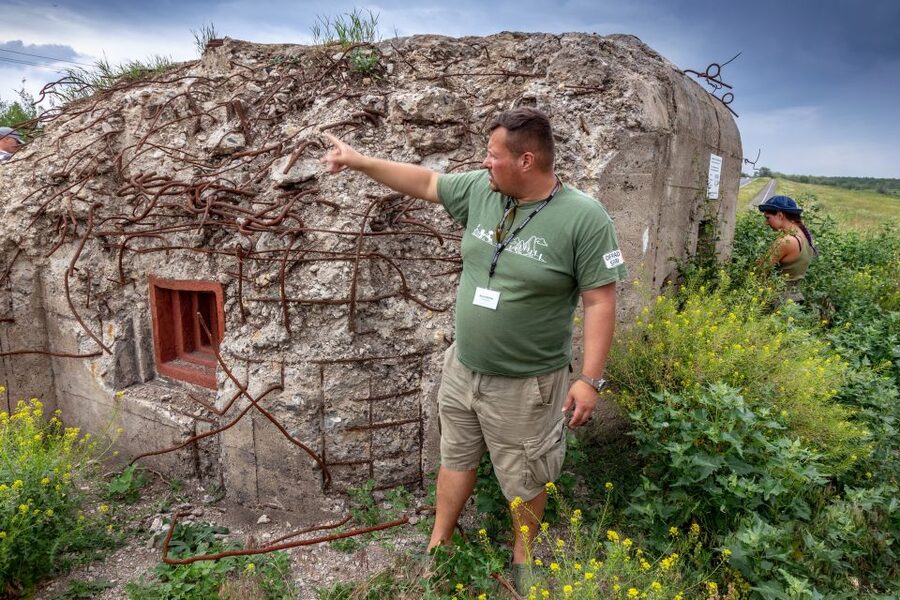
- Lots of bunker variety: you’ll see Czech and Nazi-made shelters, plus air-raid shafts and underground tunnels
- RAF and US air raids context: you learn why the area was bombed to stop fuel production
- Martin’s Q&A: you can ask about Czech history, traditions, and democracy
The 20th century left its mark here. More of that history, on foot.
- Prague: Communism History and Nuclear Bunker Guided Tour★ 4.7 · 2,417 reviews
- Prague Communism History and Nuclear Bunker Tour★ 5.0 · 1,742 reviews
- Communism & Nuclear Bunker Tour + 70s Canteen Lunch (own expense)★ 5.0 · 1,036 reviews
- Prague: WWII Guided Tour & The Crypt of Operation Anthropoid★ 4.7 · 1,030 reviews
From Prague to NW Bohemia in a 4×4, not a coach
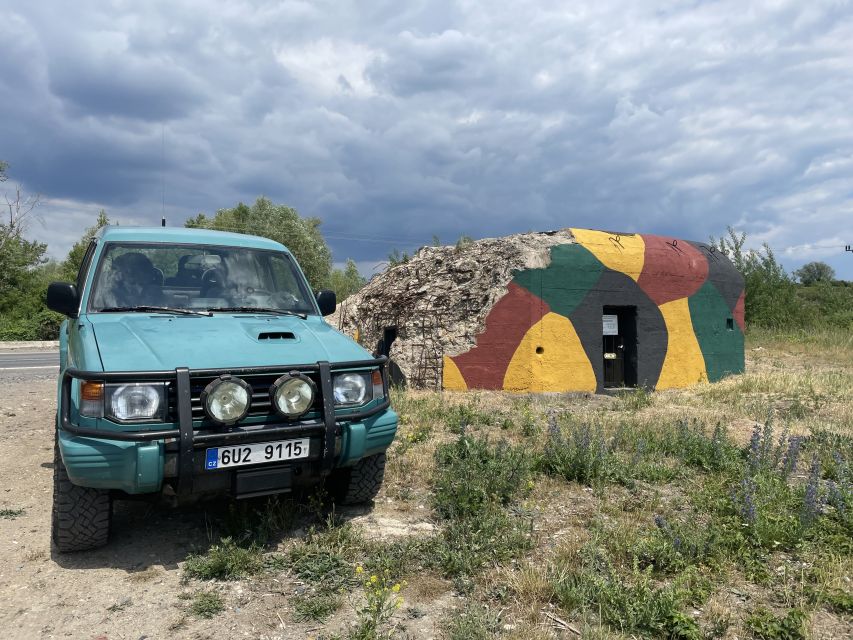
This is a full day (about 7 hours) that feels deliberately small and direct. You get hotel pickup in Prague and head out toward the former Sudetenland in northwest Bohemia—close enough to feel like a true day trip, far enough that you’re quickly out of city life and into countryside and wartime terrain.
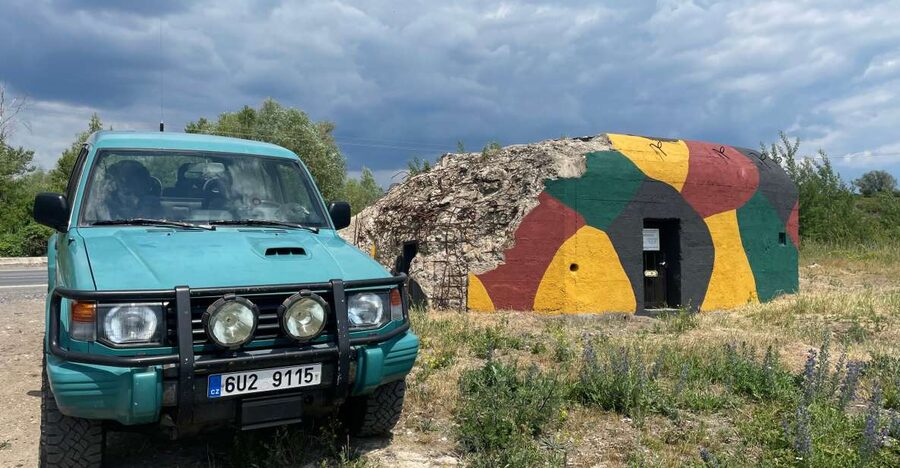
The 4×4 part matters more than you might think. You’re not just looking at history behind glass. You’re moving through areas where bunkers, shelters, and underground passages were built because that’s where people needed protection and where the war industry pushed into remote space. It helps you understand why these sites are scattered the way they are.
You’ll also have bottled water available on board, which is a small detail that makes a big difference when you’re doing stop-and-walk history in cool or variable weather.
The underground shelter start: WWII you can walk into
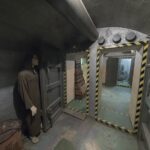
The day begins in an authentic WWII underground shelter stuffed with original items. That’s the first thing that sets the tone: you’re not “learning about” the war—you’re stepping into a space that was designed for survival and control.
You’ll get a guided introduction (about an hour) to help you make sense of what you’re seeing. Then you’ll spend time exploring and visiting the main area. Because the shelter contains original material—things to see and touch—it turns history into something your brain can actually file away. It’s also harder to tune out. Even if you know the basics of WWII, the physical scale and closeness can still land.
Practical tip: plan to spend time looking slowly. In a space like this, the details (labels, documents, layout, and what objects were kept nearby) are the point. If you rush, you’ll miss what makes the shelter feel real.
Nazi war documents and the “this is what they used” feeling
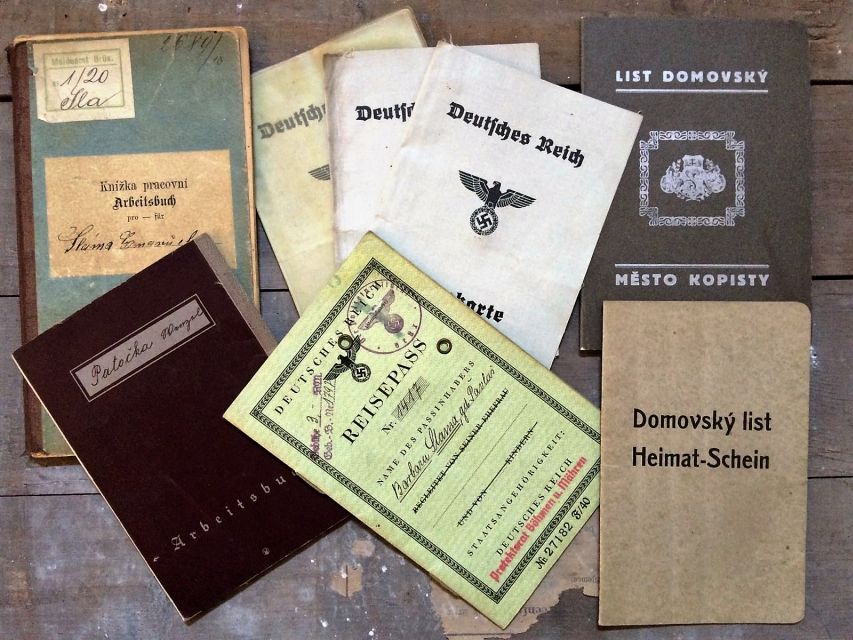
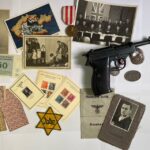
One of the tour’s most memorable strengths is that it uses primary-style objects to tell the story. You don’t just hear about what happened—you’re shown original WWII personal IDs, documents, and maps. You’ll also see shut down aircraft debris, plus other wartime remnants connected to the area’s air battles.
And yes, you can touch certain items. That hands-on rule changes everything. Holding a document or relic makes the “timeline” of WWII shift from a classroom concept into something human and immediate. It also helps you understand how Nazi control worked day to day, not only through big battlefield moments.
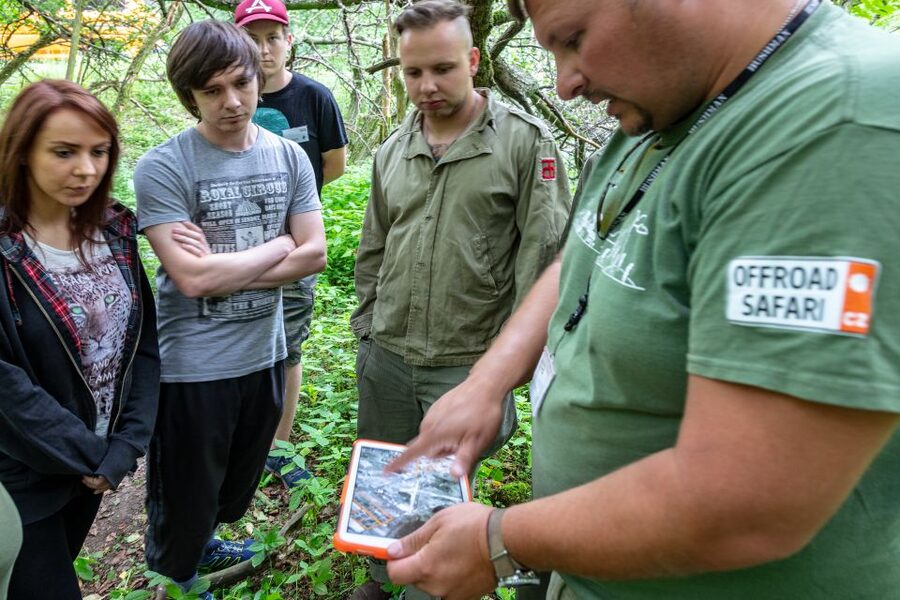
This is also where Martin’s role becomes important. With the guide directing your attention, the objects don’t become random props. You learn what they meant, why they ended up there, and how the Sudetenland and Czechoslovakia fit into the Nazi war effort.
Forced labor and fuel production: why the countryside mattered
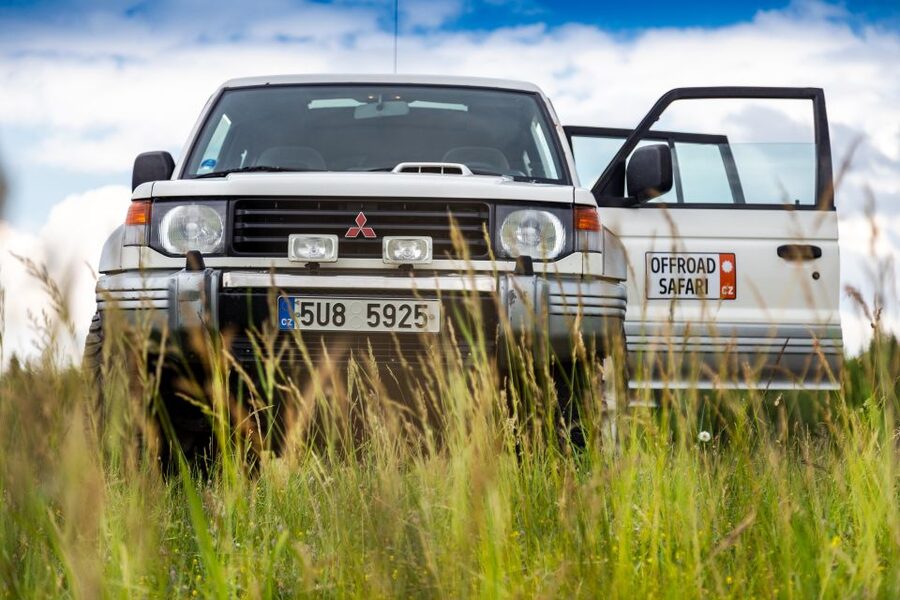
A key theme of the day is the war industry that took root in the region. As you cruise through the area in the 4×4, you’ll learn about huge petrochemical production built by the Nazis using POW labor and forced labor—often described as totaleinsatz. This is history with consequences you can trace to the ground you’re driving across.
It’s easy to think of WWII as “soldiers and cities.” This tour nudges you toward the less-glamorous truth: fuel production and industrial output were central targets. The area’s role helps explain the heavy air raids that followed.
You’ll also discover former camps and other related sites during the day. Seeing these places matters because camps weren’t an abstract concept. They were part of the logistics system that powered the factories and transport.
Balanced take: because this theme is dark, the tour works best if you’re ready to face uncomfortable facts. The guide doesn’t shy away from the hard history, and that honesty is part of why the experience feels different.
Other Prague tours and experiences that reward a closer look

Bunkers, shelters, and underground tunnels you can connect mentally
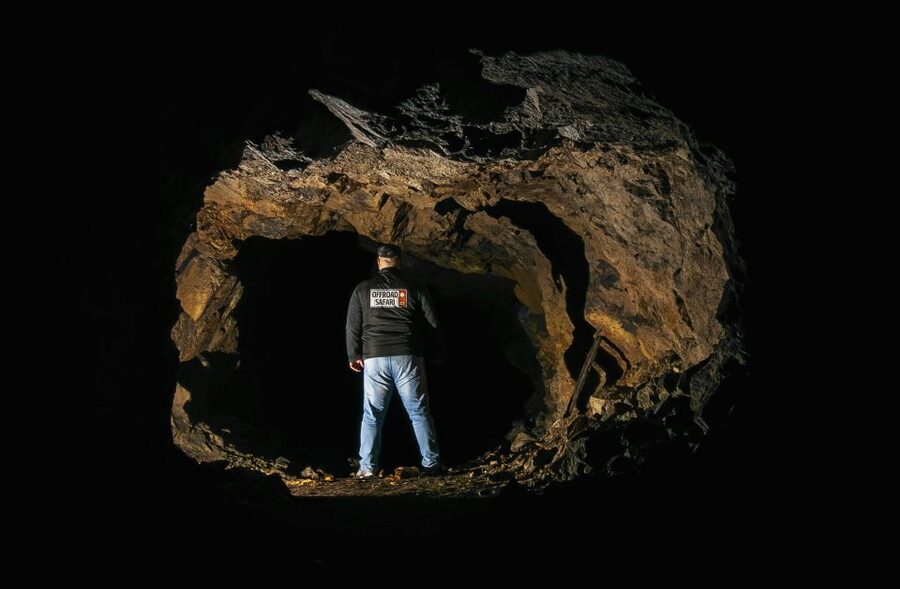
The countryside around the Sudetenland contains many defensive structures, and this tour is built to show variety rather than just one “hero site.” You’ll discover many different bunkers and shelters plus underground tunnels—both Czech and Nazi made.
That Czech-and-Nazi mix is one of the smartest ways to teach history. It shows you how the same landscape supported different armies and different systems of protection, depending on who controlled the area at the time. It also prevents the experience from becoming one-note propaganda.
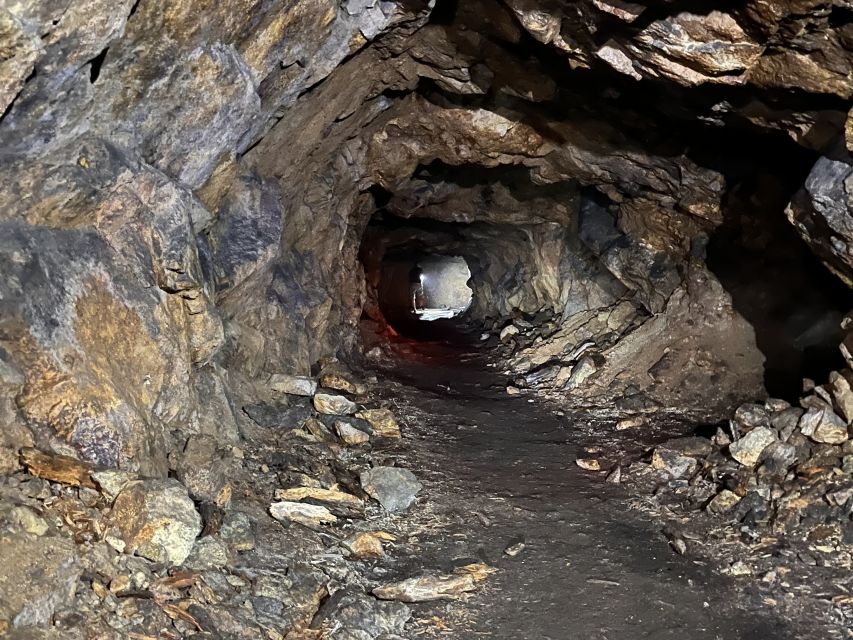
You’ll also see an air raid shaft. Air-raid infrastructure often gets ignored in typical history tours, but here it becomes a concrete way to understand what people feared and what planners expected: bombing, power loss, sudden death, and the need to move survival underground.
If you enjoy “reading” old infrastructure—how entrances work, how spaces were sized, why tunnels connect the way they do—this is a highlight. The tour gives you enough time to observe and ask questions, which is the difference between a quick photo stop and real understanding.
The air raids: RAF and US bombing in the story of fuel production
This region was targeted heavily. The tour explains that the area saw bombing raids from the RAF and from the US (including the 8th and 15th flying forces) as part of the broader effort to stop Nazi fuel production.
You’ll hear stories connected to shoot-down pilots and other air-war moments. Even if you already know the broad arc of WWII, this section helps you connect why specific places were attacked—not just that they were attacked.
The shut down aircraft debris you might see also keeps things grounded. It’s one thing to hear about missions; it’s another to encounter physical remnants tied to the air war overhead.
Lunch in a real Czech setting with beer included
After time underground and across multiple stops, lunch is not an afterthought here. You get a local lunch a la carte in a restaurant, plus Czech beer during lunch. Bottled water is also included, so hydration stays easy while you refuel.
The value angle is strong: this tour already includes pickup, 4×4 transport, a licensed English-speaking guide, and access to multiple WWII sites. Adding a proper Czech meal and unlimited beer during lunch makes it feel like a day trip designed for comfort, not just history delivery.
What I’d do if I booked: use lunch to slow down, ask quick follow-ups, and let the day’s details settle before you go back out to see the final cluster of sites.
Timing and pacing: how the day flows (and where you’ll feel it)
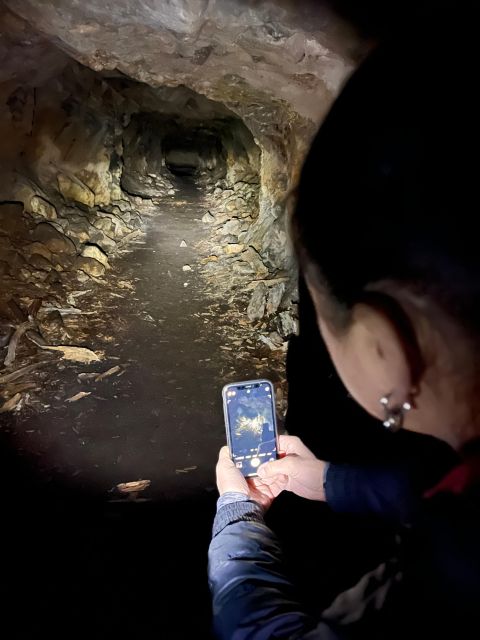
The tour is scheduled around about 7 hours total, with guided time, multiple visits, lunch, and then a shorter final stop before returning to Prague. That structure matters because it prevents you from feeling rushed underground and then exhausted in the countryside.
That said, you’re still doing an active day. Plan on walking on uneven outdoor terrain and spending time standing and looking. The not-wheelchair-suitable note isn’t about stairs inside only—it’s about the real-world ground conditions around shelters and bunker areas.
Bring outdoor clothing. Weather can shift quickly in Central Europe, and being comfortable helps you focus on what’s in front of you.
Who should book this WWII 4×4 tour from Prague?
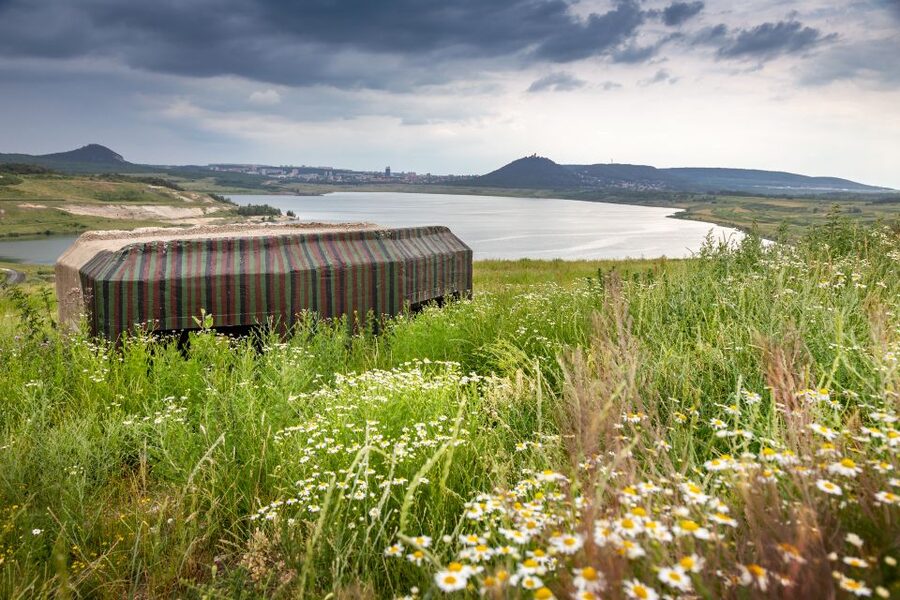
This is a great match if you want WWII history with physical context. It’s also a strong option for people who learn by handling real objects and comparing structures in the field. If you’re the type who likes asking questions and turning facts into a clear mental map, you’ll get a lot out of Martin’s explanations.
It’s also designed to be accessible in age range. The experience is suitable for kids from 8 up to 99, and body size or age does not matter. That’s a rare spread for a tour that includes outdoor terrain and underground spaces.
It may not be for you if you want a light, entertainment-first outing. This is not themed like a museum set. The day includes forced labor, camps, and bombing. The guide keeps it factual and serious.
Price and value: where the $293 per person makes sense
At about $293 per person for a 7-hour small-group tour, the price isn’t “cheap,” but it is defendable based on what’s included:
- Hotel pickup and drop-off in Prague
- Professional English-speaking licensed guide
- 4×4 transport
- Multiple WWII sites, including an underground shelter start
- Access to touchable original artifacts like documents, IDs, maps, and wartime remnants
- Lunch with unlimited Czech beer during the meal
- Unlimited bottled water
- Small group size (max 6), which keeps questions possible and stops less crowded
When you break it down, you’re paying for time, access, and a guided experience that goes beyond viewing. Many history tours are mostly explanation with a photo stop every now and then. Here, you get the field, the objects, and the explanation together.
Should you book? My straight answer
Yes, I think you should book this tour if you want WWII history that feels specific—built into real underground spaces, tied to forced labor and industrial targets, and explained by a guide you can question (Martin, in the role highlighted for the day).
Skip it if you’re uncomfortable with serious WWII subject matter or if you need wheelchair accessibility. Also, if you hate walking on uneven ground, plan carefully.
If you’re on the fence, the tie-breaker is simple: this is one of those rare tours where you see bunkers, shelters, and documents as part of a connected story, not as isolated stops. That connection is what makes the day stick.
FAQ
How long is the WWII 4WD tour from Prague?
The tour lasts 7 hours.
Is pickup and drop-off included?
Yes. Pickup and drop-off are included at your hotel in Prague.
What’s the maximum group size?
The group is small, with a maximum of 6 guests.
Is lunch included, and does it come with beer?
Yes. Lunch is included (a la carte in a restaurant), and unlimited Czech beer is included during the lunch.
Is the tour suitable for children and older adults?
Yes. It’s suitable for kids from 8 up to 99, and body size or age does not matter.
Is the tour wheelchair accessible?
No. The tour is not suitable for wheelchair users.
More Tours in Prague


More Tour Reviews in Prague


More Communism & Wartime History
More Prague tours we have written up lately

Communism & WWII History Tours, compared.
 ★ 4.7Communism History and Nuclear Bunker Guided TourFrom $442,417 reviews
 ★ 5.0Prague Communism History and Nuclear Bunker TourFrom $451,742 reviews
 ★ 5.0Communism & Nuclear Bunker Tour + 70s Canteen Lunch (own expense)From $351,036 reviews
 ★ 4.7WWII Guided Tour & The Crypt of Operation AnthropoidFrom $421,030 reviews
 ★ 5.0WWII in Prague Tour & The Crypt of Operation AnthropoidFrom $43817 reviews
 ★ 4.8Communism and Bunker Tour with 70s Canteen LunchFrom $34269 reviews
 ★ 5.0Small-Group World War 2 & Operation Anthropoid Tour in PragueFrom $33231 reviews
 ★ 4.8World War 2 and Operation Anthropoid Walking TourFrom $32193 reviews
Browse the lists this tour appears in