
REVIEW · COMMUNISM & WWII HISTORY TOURS
Prague: World War II and Communist History Tour
Prague’s 20th-century story hits hard. This 2.5-hour WWII and Communist History walking tour threads events together—from the Nazi occupation and resistance to the Communist era, then right through the Velvet Revolution of 1989. I especially like how the tour treats history like a timeline you can feel on the streets, not a list of dates. And you get a strong sense of place at major stops such as Municipal House, Jewish Quarter, Dancing House, and Wenceslas Square.
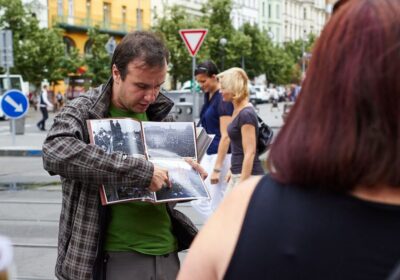
I also like the storytelling energy reported by guides like Daren, Adam, Zac, Tony, and Sean, with lots of humor even when the subject matter turns bleak. One drawback to consider: the physical landmarks tied to Communism can be less visually obvious than the famous WWII sites, so a lot of what you take away depends on the guide’s narrative.
Expect a heavy but well-paced walk. You’ll cover Nazi rule, the Czech uprising, the Communist coup, Prague Spring and its brutal end, then Normalization and dissident movements like Charta 77 and the persecution of the Plastic People of the Universe.
In This Review
- Key Things to Know Before You Go
- A City That’s Rehearsed for the Worst
- Starting on Týnská: How the Walk Sets the Timeline Fast
- Municipal House and the Jewish Quarter: When the Past Stops Being Background
- Dancing House and Wenceslas Square: Prague’s Modern Face Under Political Pressure
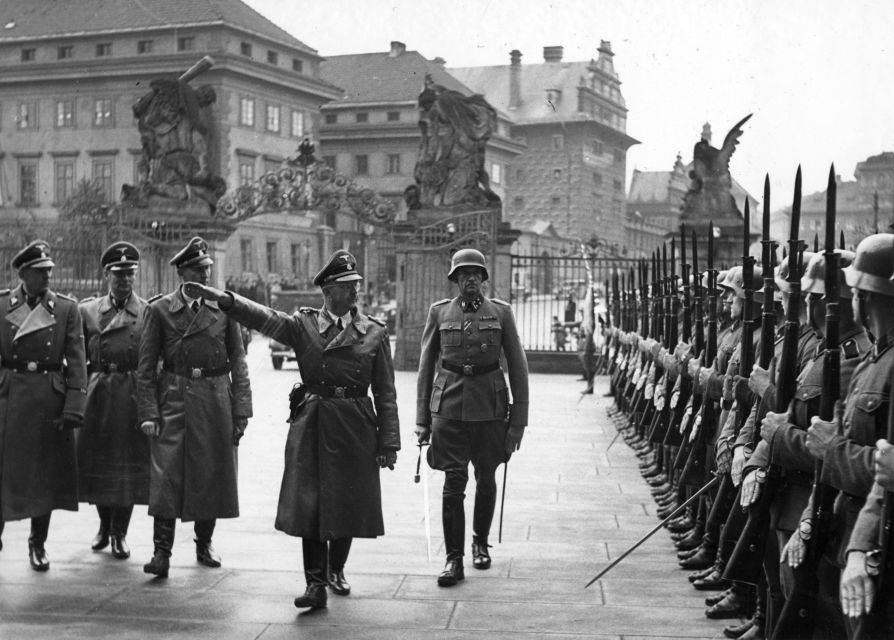
- Nazi Occupation, Czech Resistance, and the Heydrich Assassination
- From Uprising to Coup: How Hope Gets Interrupted
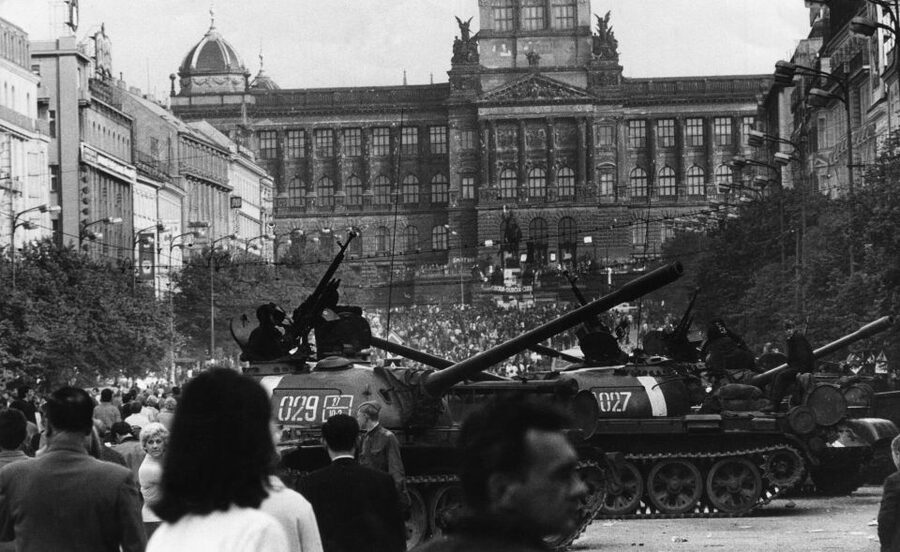
- Prague Spring to Warsaw Pact Invasion: The Moment Hope Turns to Trauma
- Normalization, Plastic People, and Charta 77: Living Under Watch
- The Velvet Revolution: Dissidents to Vaclav Havel in 1989
- Price, Pace, and the Real Value of 150 Minutes
- Who This Tour Is For (and Who Might Want a Different One)
- Should You Book the Prague WWII and Communist History Tour?
- FAQ
- How long is the Prague WWII and Communist History tour?
- How much does the tour cost?
- Where is the meeting point?
- Is the tour in English?
- Is this a walking tour?
- What topics does the tour cover?
- Does the tour include locations tied to Operation Anthropoid?
- Which Prague landmarks are included?
- Is the cancellation policy flexible?
- Is there an option to pay later?
Key Things to Know Before You Go
A tight timeline across two dictatorships
You move from Nazi occupation into Communism without losing the thread.
Major Prague sights with real historical context
Municipal House, Jewish Quarter areas, Dancing House, and Wenceslas Square get pulled into the story.
Operation Anthropoid is part of the route
The tour includes the assassination of Reinhard Heydrich, Nazi head of security services.
Resistance sites can feel especially poignant
If the route includes places tied to resistance hiding and aftermath, expect an emotional moment.
Guides bring history to life (and keep it moving)
Reviews highlight guides who answer questions and keep the pace lively, even in rain.
This is not just sightseeing
You’re meant to understand how ordinary people were pressured, punished, and eventually mobilized.
The 20th century left its mark here. More of that history, on foot.
- Prague: Communism History and Nuclear Bunker Guided Tour★ 4.7 · 2,417 reviews
- Prague Communism History and Nuclear Bunker Tour★ 5.0 · 1,742 reviews
- Communism & Nuclear Bunker Tour + 70s Canteen Lunch (own expense)★ 5.0 · 1,036 reviews
- Prague: WWII Guided Tour & The Crypt of Operation Anthropoid★ 4.7 · 1,030 reviews
A City That’s Rehearsed for the Worst
Prague is gorgeous, but the streets also hold receipts. This tour uses that fact in a good way: you’re not only looking at architecture, you’re seeing how regimes tried to control public life.
What makes the experience worthwhile is the connection between three big chapters: Nazi occupation and resistance, the Communist takeover and its aftermath, then the 1989 break that brought Vaclav Havel and dissidents into power. You’ll hear the story as locals would frame it, with a focus on what changed in everyday life—fear, censorship, crackdowns, and the occasional surge of hope.
And yes, it’s heavy. You’re dealing with occupation, persecution, and violence. The payoff is that you get the “why” behind the city’s modern identity, not just the postcard version.
Starting on Týnská: How the Walk Sets the Timeline Fast
The meeting point is Týnská 639/4, Staré Město. Starting in Old Town makes sense because the tour begins with the layers: Prague before the 20th century’s shocks, then the sudden turn toward political control.
In the first part of the walk, I’d expect you to get the structure early: Nazi rule, local resistance, the postwar transition, and how Communist power consolidated. That matters because a topic like this can get confusing quickly. You’ll want the guide to make it clear what comes next and why, and reviews repeatedly call out guides who build the story so you don’t feel lost.
Municipal House and the Jewish Quarter: When the Past Stops Being Background
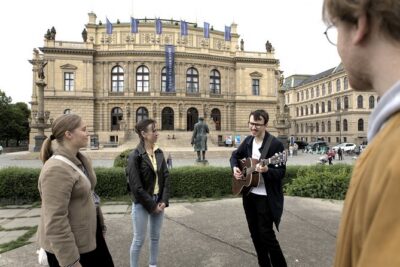
The Municipal House is one of those Prague landmarks that always looks like it’s celebrating. On this tour, it’s used differently—as a way to talk about the prewar cultural momentum and then what happens when occupation replaces that normal rhythm with coercion and fear.
From there, the route includes the Jewish Quarter area. This is important for more than any single building. The Nazi occupation didn’t just target armies; it targeted communities, rights, and safety. Even if you’re not a specialist in Jewish history, the point is clear: persecution wasn’t abstract. It changed who could live where, work, and move through the city.
Practical note: the Jewish Quarter can be busy even when other parts feel quieter. You’ll likely walk through parts of it rather than linger for long photo stops, so keep your camera ready but don’t let it slow you down.
Dancing House and Wenceslas Square: Prague’s Modern Face Under Political Pressure
Two stops on the list—Dancing House and Wenceslas Square—sound like pure sightseeing at first. On this tour, they do double duty.
- Dancing House becomes a contrast point: the city’s creative, modern energy vs. the real historical forces that tried to suppress independent thought.
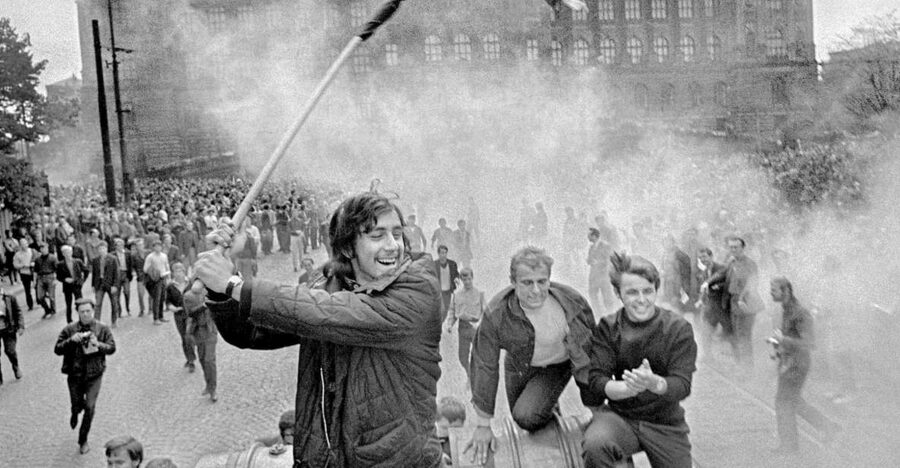
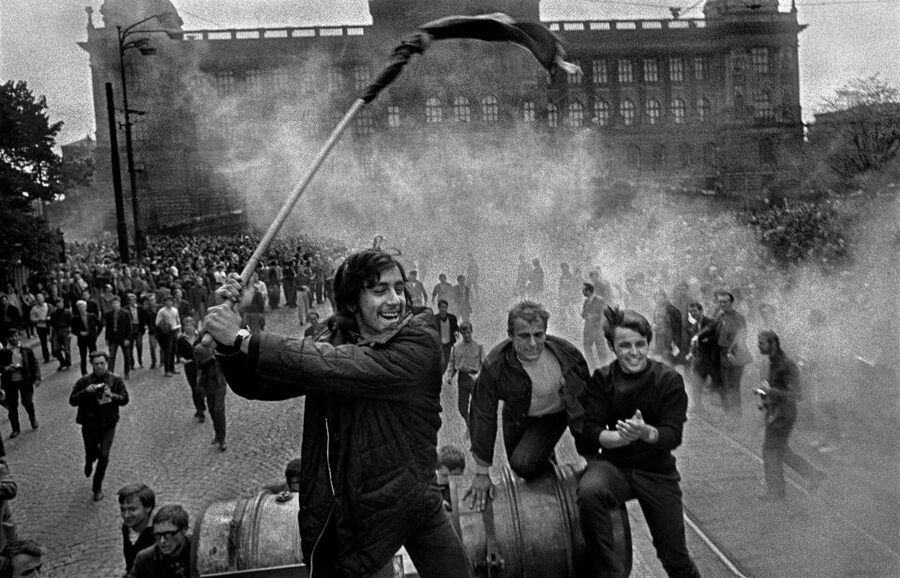
- Wenceslas Square is a stage that history repeatedly used. Under different regimes, this kind of public space can become propaganda, ceremony, or confrontation.
The value here is perspective. You start to notice that public squares and prominent buildings aren’t neutral. Power uses visible spaces. And when power changes, the meaning of the same streets can change too.
If you’re short on time in Prague, this is the part that helps you understand how the city’s layout supports bigger narratives.
Other Prague tours and experiences that reward a closer look
Nazi Occupation, Czech Resistance, and the Heydrich Assassination
The tour highlight that many history-minded visitors remember most is where Nazi head of security services was assassinated. That refers to Reinhard Heydrich and the Operation Anthropoid story.
This isn’t handled as a detached military tale. The emotional center is the resistance effort and the retaliation that followed. Reviews mention especially poignant moments related to resistance soldiers hiding and the visit to sites connected with the operation, including the church/crypt area tied to the resistance (often associated with the Cyril and Methodius Church area in Prague).
If you have even a passing interest in this period, you’ll probably feel like you’re connecting a textbook story to the actual streets where it unfolded. One review specifically praised an Operation Anthropoid museum visit, so you might find the tour includes a museum stop connected to the assassination story as well.
One consideration: not every point in this historical chain has an obvious physical “marker” you can spot from across the street. That’s where the guide’s narration becomes crucial. If you want history as story, this tour generally delivers.
From Uprising to Coup: How Hope Gets Interrupted
After the war, Prague’s story turns into something more frustrating: the pattern of promises followed by control.
In this tour’s arc, you’ll hear about the Czech uprising, then the Communist coup and the letdown that followed. The goal isn’t just to say who won. It’s to explain how power shifted and how daily life changed after the transition.
This is where I think the walking format works. You’re not parked in a museum room. You’re moving through the city while the guide connects events to the places where those changes played out in public.
So if you want to understand how quickly political fortunes can invert, this part is the gut-check.
Prague Spring to Warsaw Pact Invasion: The Moment Hope Turns to Trauma
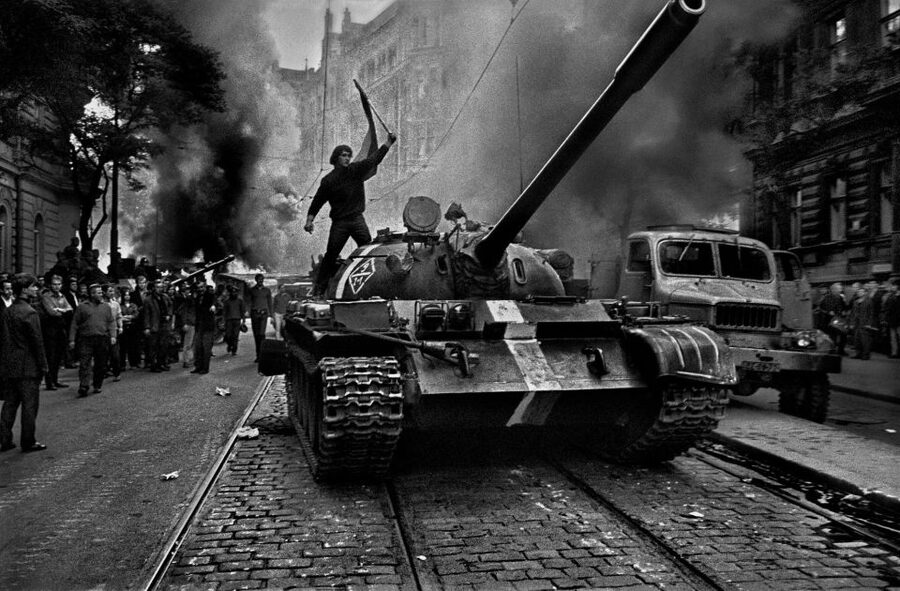
One of the most gripping segments in the tour description is the contrast between Prague Spring euphoria and the trauma of the Warsaw Pact invasion.
This is where the guide should do the heavy lifting: explain what made the period feel open, then show how the invasion crushed that opening. That contrast is often the difference between knowing dates and actually understanding what it felt like on the ground.
If you’re the kind of person who reads history and then wonders why people fought for change, you’ll like this section because it focuses on why optimism rose—and why the response was so brutal.
Wear something warm if you’re visiting in winter. You’ll be walking continuously enough that cold can sneak up on you, and rain is never shy in Prague.
Normalization, Plastic People, and Charta 77: Living Under Watch
The Communist era in Prague wasn’t only tanks and speeches. It was also surveillance, pressure, and the slow narrowing of acceptable life.
Here’s what the tour highlights in the description: Normalization, the persecution of the Plastic People of the Universe, and the dissident movement Charta 77. Those aren’t just names; they’re examples of how control worked culturally and politically.
The value for you is that you see the Communist system as more than one political event. You see it as a pressure that affected artists, thinkers, and ordinary citizens who still wanted to speak freely.
A strong moment—based on reviews about how guides handle complicity and real conditions—is that the tour aims not to sanitize the period. That approach can be uncomfortable, but it’s usually the difference between a history chat and real understanding.
The Velvet Revolution: Dissidents to Vaclav Havel in 1989
The tour finishes with the end of Communism, including the Velvet Revolution of 1989. The story centers on how Václav Havel and an eclectic group of dissidents were swept to power.
This ending matters because it gives you emotional closure that many “dark history” tours don’t. You’re not only learning about repression. You’re also learning about how people organized and how change happened.
Guides like Tony, Adam, Zac, and Zach are repeatedly praised for making the timeline feel alive, which helps this final section land. You’re walking while hearing how momentum built—and how quickly the system that seemed permanent could crack.
Even if you already know the broad facts, the tour’s strength is connecting them back to specific places in Prague.
Price, Pace, and the Real Value of 150 Minutes
At $34 per person for a 150-minute guided walk, the value is solid—especially if you care about interpretation. Tours like this cost more when they turn into pure sightseeing. Here, you’re paying for an organized story with site-to-event connections.
Also, the pace seems to work for most visitors. Multiple reviews mention hours flying by and a lot of information without getting boring. Guides in rain and across cold months also get credit for staying energetic and on top of the story.
Still, don’t book this if you want a relaxed stroll. It’s history-forward and walking-forward. One review noted that some stops don’t have much to look at in present-day form, which means you should come ready to listen.
My practical advice: if you’re visiting with a group member who’s tired of politics, bring them anyway—but make sure they know the guide will answer questions. The Q&A is part of what makes this type of tour feel worthwhile rather than lecture-like.
Who This Tour Is For (and Who Might Want a Different One)
You’ll likely love this tour if:
- You want to connect WWII and Communist history to actual streets and key landmarks.
- You’re interested in resistance stories like Operation Anthropoid and the assassination of Heydrich.
- You enjoy guides who tell history as narrative, not a list of dates.
You might reconsider if:
- You want a purely visual tour where every stop has an obvious physical reminder of the past.
- You don’t handle heavy topics well. This is about occupation, persecution, and violence.
If you’re the type who likes to make sense of a country, this tour is a strong match for your first days in Prague.
Should You Book the Prague WWII and Communist History Tour?
Yes, if your goal is understanding—not just seeing. This tour’s standout strength is the story arc: Nazi occupation and resistance, the Communist takeover, Prague Spring, Warsaw Pact invasion, Normalization, dissidents like Charta 77, and the Velvet Revolution ending with Vaclav Havel.
Book it when you can stay attentive for 2.5 hours and when you want a local-style narrative that helps the sites mean something. Skip it if you’re hoping for an easy, casual walk with minimal political content.
If you do book, check the weather layers. Prague can change quickly, and you’ll be outside enough that comfort helps you focus on the history.
FAQ
How long is the Prague WWII and Communist History tour?
It lasts 150 minutes (about 2.5 hours).
How much does the tour cost?
The price is $34 per person.
Where is the meeting point?
Meet at Týnská 639/4, Staré Město, 110 00 Praha-Praha 1, Czechia.
Is the tour in English?
Yes, the tour guide gives the tour in English.
Is this a walking tour?
Yes, it’s a 2.5-hour walking tour.
What topics does the tour cover?
You’ll learn about Nazi occupation and resistance, the Communist era, the Prague Spring, the Warsaw Pact invasion, Normalization, dissident movements like Charta 77, and the Velvet Revolution of 1989.
Does the tour include locations tied to Operation Anthropoid?
The highlights specify a stop connected to the assassination of the Nazi head of security services, which relates to Operation Anthropoid.
Which Prague landmarks are included?
The tour includes key locations such as the Municipal House, Jewish Quarter, Dancing House, and Wenceslas Square.
Is the cancellation policy flexible?
Yes. There is free cancellation up to 24 hours in advance for a full refund.
Is there an option to pay later?
Yes. You can reserve now & pay later to keep plans flexible.
More Tours in Prague

More Tour Reviews in Prague

More Communism & Wartime History
More Prague tours we have written up lately



Communism & WWII History Tours, compared.
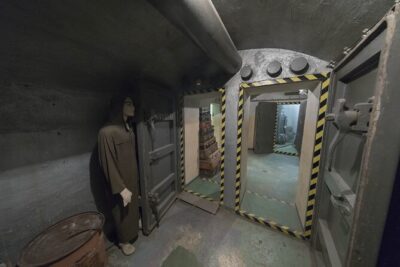
 ★ 4.7Communism History and Nuclear Bunker Guided TourFrom $442,417 reviews
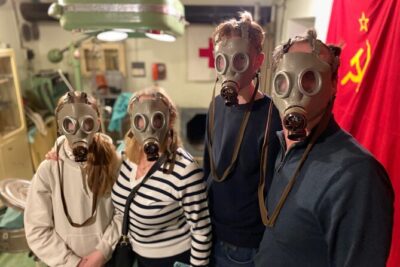
 ★ 5.0Prague Communism History and Nuclear Bunker TourFrom $451,742 reviews
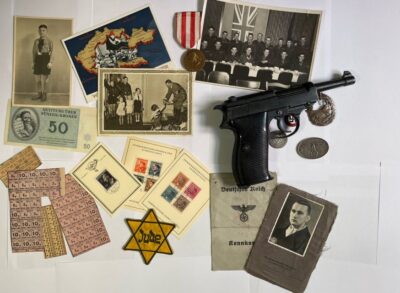
 ★ 5.0Communism & Nuclear Bunker Tour + 70s Canteen Lunch (own expense)From $351,036 reviews
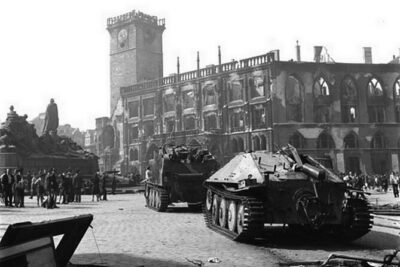
 ★ 4.7WWII Guided Tour & The Crypt of Operation AnthropoidFrom $421,030 reviews
 ★ 5.0WWII in Prague Tour & The Crypt of Operation AnthropoidFrom $43817 reviews
 ★ 4.8Communism and Bunker Tour with 70s Canteen LunchFrom $34269 reviews
 ★ 5.0Small-Group World War 2 & Operation Anthropoid Tour in PragueFrom $33231 reviews
 ★ 4.8World War 2 and Operation Anthropoid Walking TourFrom $32193 reviews
Browse the lists this tour appears in