
REVIEW · COMMUNISM & WWII HISTORY TOURS
Prague: Communists and World War II Tour
Prague can feel like a postcard—until you zoom into the 20th century. This tour connects the city’s central streets to the events that shaped WWII, the Communist years, and the fall of the Iron Curtain. I love how it ties big politics to real corners of Prague, and I especially like the chance to see the 30-meter Stalin statue as more than a monument. The subject matter is heavy, so if you want light and fun, this isn’t that kind of walk.
Two things that really made it worth my attention are the guide-led storytelling and the “from cause to consequence” pacing. You start with the build-up toward WWII on streets tied to Nazi rule, then you move into daily life under Communism and the symbolism that still lingers. Just as important, you also hear the later turning points—Jan Palach and the events that helped drive the Velvet Revolution—so the story doesn’t stop at the Cold War’s start.
One consideration: this is a history-focused walking tour, not a checklist of scenic stops. You’ll cover a lot of ground with a lot of context, so come with comfortable shoes and an appetite for 20th-century politics.
In This Review
- Key Highlights I’d Prioritize
- Entering the Story: What This 2-Hour Tour Really Delivers
- Meeting at Křižovnické náměstí and Finding Your Guide with the Orange Umbrella
- Národní and New Town: Where Central Prague Turns Into a Political Map
- Wenceslas Square to Republic Square: Symbols, Protests, and the Cost of Control
- From WWII Back to World War I: Why the Lead-Up Matters on Foot
- Nazi Occupation Streets: Moving Through Darker Prague Without Becoming Grim
- Stalin’s 30-Meter Presence: When a Monument Becomes a Lesson
- Communism in Prague: Daily Life, Blacklisted Books, and Controlled Ideas
- Jan Palach and the Velvet Revolution: Resistance That Changed the Tone
- Museum of Communism: The Optional Follow-Up That Can Be Worth It
- Guide Quality: Why Names Like Martin, Otakar, and Inna Matter
- Price and Value: Is $29 a Good Deal for Two Hours?
- Getting the Most Out of It: Simple Tips Before You Go
- Should You Book the Communists and World War II Tour?
- FAQ
- How long is the Prague Communists and World War II Tour?
- What does the tour cost?
- Where do I meet my guide?
- What is the nearest public transport stop?
- Are museum tickets included?
- What languages are available?
- What should I bring and wear?
- What is not allowed during the tour?
- Can I cancel for a refund?
Key Highlights I’d Prioritize
- WWII lead-up in Prague’s central streets, including links to World War I’s aftermath
- Life under Communism, explained in plain terms rather than just dates
- The 30-meter tall Stalin statue, a huge visual reminder of the era
- Nazi-era footprints, with walks through parts of town tied to occupation
- Turning points you’ll recognize, from blacklisted books to Jan Palach and the Velvet Revolution
- A Museum of Communism discount (and entry if you pick that option) to keep going after the walk
The 20th century left its mark here. More of that history, on foot.
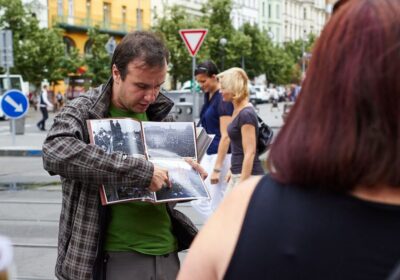
- Prague: Communism History and Nuclear Bunker Guided Tour★ 4.7 · 2,417 reviews
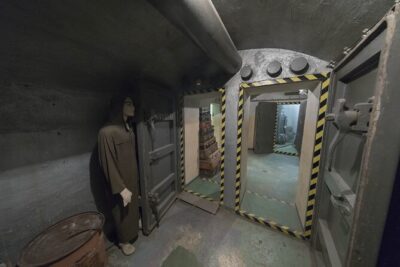
- Prague Communism History and Nuclear Bunker Tour★ 5.0 · 1,742 reviews
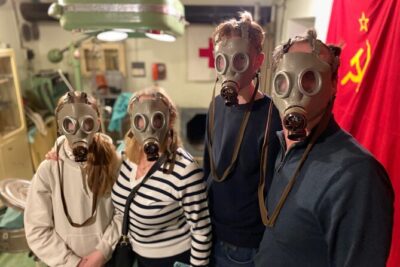
- Communism & Nuclear Bunker Tour + 70s Canteen Lunch (own expense)★ 5.0 · 1,036 reviews
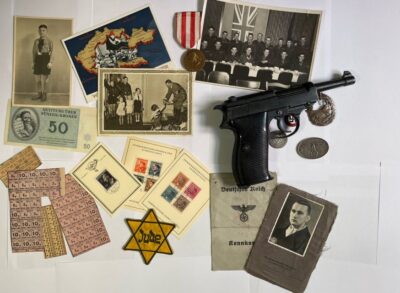
- Prague: WWII Guided Tour & The Crypt of Operation Anthropoid★ 4.7 · 1,030 reviews
Entering the Story: What This 2-Hour Tour Really Delivers
This is a tight, two-hour history walk that uses Prague’s center like a timeline you can follow with your feet. You’re not just hearing what happened; you’re getting the chain of events—how the political pressures of the 20th century turned into occupation, then Communist rule, then resistance.
The tour is built around the idea that politics leaves physical marks. That’s why you’ll be looking at major public spaces—places like Národní and Wenceslas Square—along with darker reminders tied to WWII and later repression.
Meeting at Křižovnické náměstí and Finding Your Guide with the Orange Umbrella
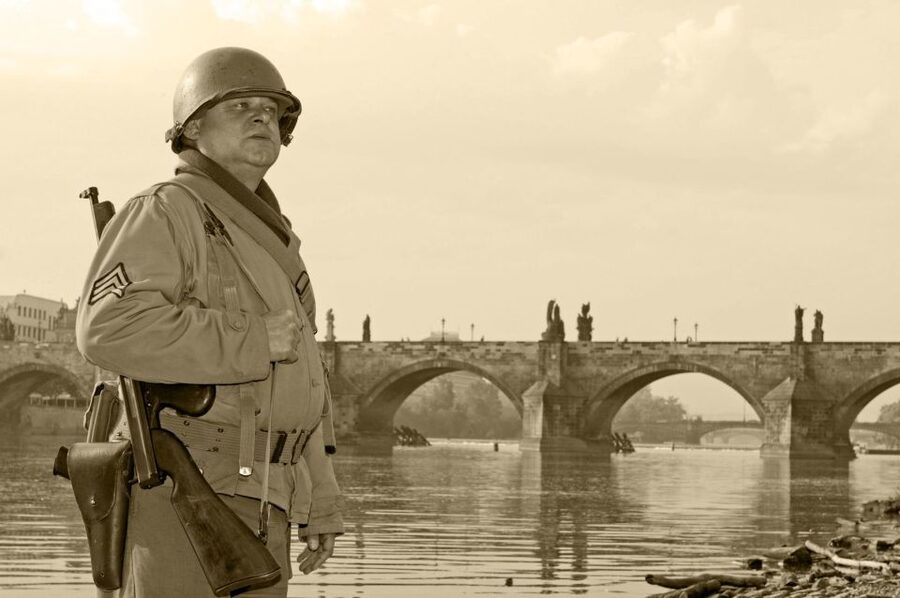
You meet at Křižovnické náměstí, in front of the Charles Bridge, next to the Statue Charles IV. The guide holds an orange umbrella, and the closest tram or subway station is Staroměstská.
Arrive a few minutes early. One practical annoyance is that orange umbrellas can be common with multiple groups near the bridge, so you’ll want to confirm you’ve found the right one by checking you’re at the correct meeting point and matching your tour group.
It helps that the tour runs in German, Russian, and English, with a live guide. If you’re choosing English, you’ll still get the benefit of a guide who’s used to answering follow-up questions on the Czech 20th century.
Národní and New Town: Where Central Prague Turns Into a Political Map
Národní is where the tour starts to feel like more than sightseeing. You’re moving into the heart of the city where public life and public power have always had a visible presence, and the guide uses the streets to explain the pressures that led toward WWII.
From there, the walk heads into the New Town area. This is a smart section for setting the tone because you’re still in the “easy to navigate” center of Prague, so you can focus on the story instead of fighting with directions.
If you like learning by place—standing where events connect—you’ll enjoy this segment. If you prefer a slow pace with lots of photo stops, you might feel the schedule is moving quickly.
Wenceslas Square to Republic Square: Symbols, Protests, and the Cost of Control

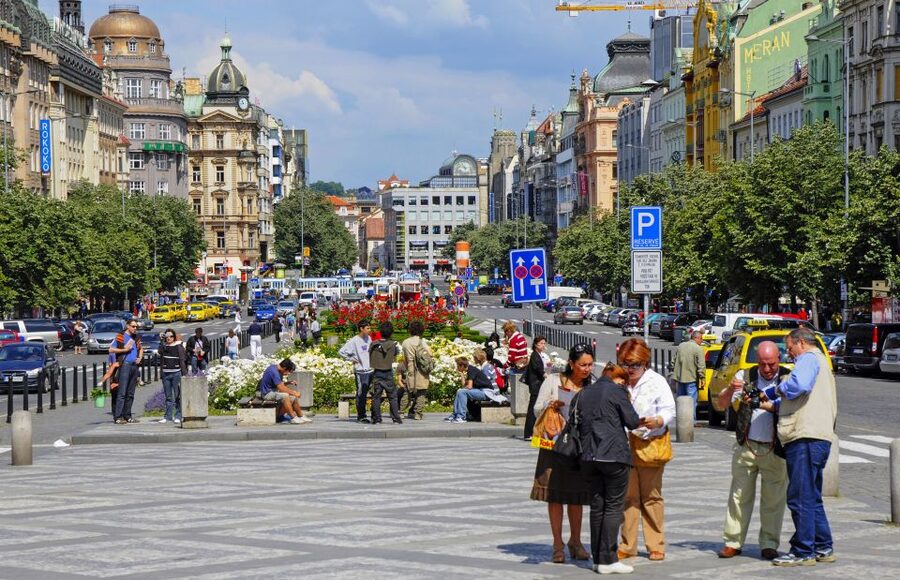
Wenceslas Square is the kind of place that makes history feel immediate. It’s not just a wide boulevard; it’s a public stage where the tour’s themes—authority, resistance, and political change—make sense without needing a classroom.
Then you continue toward Republic Square, another central point that helps you see how Prague’s political story plays out across neighborhoods rather than staying locked inside one “historic” spot. This stop matters because it shows the city’s center as a space people could gather, argue, and get swept up in the decisions of larger powers.
The big value here is continuity. You leave with a clearer sense of how WWII-era tensions and occupation memories fed into later Communist control, and how that control eventually cracked.
From WWII Back to World War I: Why the Lead-Up Matters on Foot
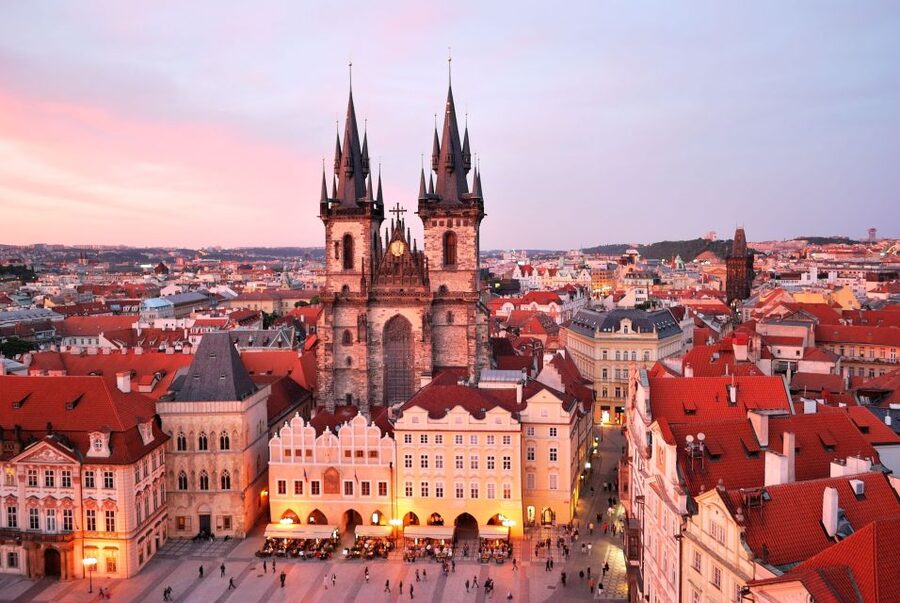
A lot of WWII tours start at the obvious moment. This one helps you understand the build-up by linking the road to WWII back to World War I and what it set in motion.
The guide places that explanation directly into your walking route, including time spent on streets where the Gestapo once ruled. That detail changes the vibe of normal city strolling: the street becomes evidence, not scenery.
This section is also one of the clearest reasons the tour is worth doing even if you already know some WWII basics. You’re not being tested on dates—you’re being shown how political chaos can turn into occupation and then into a new kind of control.
Nazi Occupation Streets: Moving Through Darker Prague Without Becoming Grim
You’ll walk through parts of central Prague connected to Nazi rule, and the tour frames those streets with stories about what those years meant. That helps you understand why certain symbols and memorials matter later on.
Still, the experience is guided, not heavy-handed. You’ll get context and cause-and-effect, and you’ll learn how WWII’s end didn’t bring an immediate version of freedom.
One practical tip for you: bring patience for uncomfortable topics. This isn’t a “walk and forget” tour. If you want to keep your brain switched off, you’ll find yourself tuning out during the occupation and oppression parts.
Stalin’s 30-Meter Presence: When a Monument Becomes a Lesson
One of the tour’s headline moments is the chance to see the 30-meter tall statue of Stalin. It’s hard to treat something that size as background.
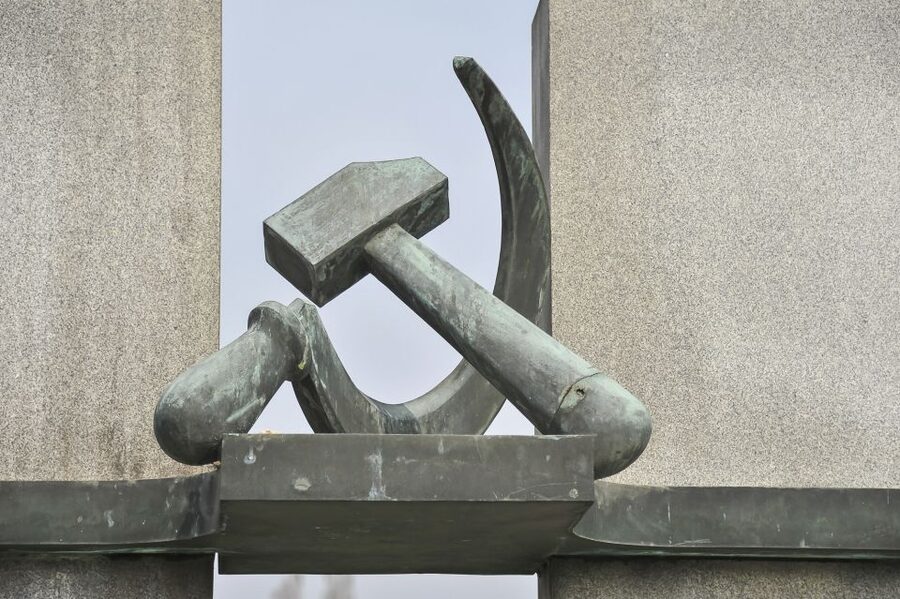
More importantly, the tour explains why symbols like this were used. The point isn’t just that Stalin is a name you recognize—it’s that Communist power wanted visible reminders everywhere, so political obedience and political fear were always within sight.
This is also where the tour’s broader theme clicks: Prague’s streets keep the memory of control, even after the ideology is gone. You walk away reading monuments differently.
Communism in Prague: Daily Life, Blacklisted Books, and Controlled Ideas
After WWII, the story turns into the years of Communist rule, and the guide connects that era to how power worked in everyday life. You’ll hear about the Russian Occupation and what that meant for culture and education.
One of the most striking elements in the tour’s narration is the mention of black-listed books being burned. That’s not just a dramatic image; it’s a practical way to understand how regimes try to control what people can think and talk about.
The tour keeps returning to the idea that political change shows up in language, in schools, and in what gets allowed to exist publicly. If you’re the type who likes to connect art and politics, this part will stick.
Jan Palach and the Velvet Revolution: Resistance That Changed the Tone
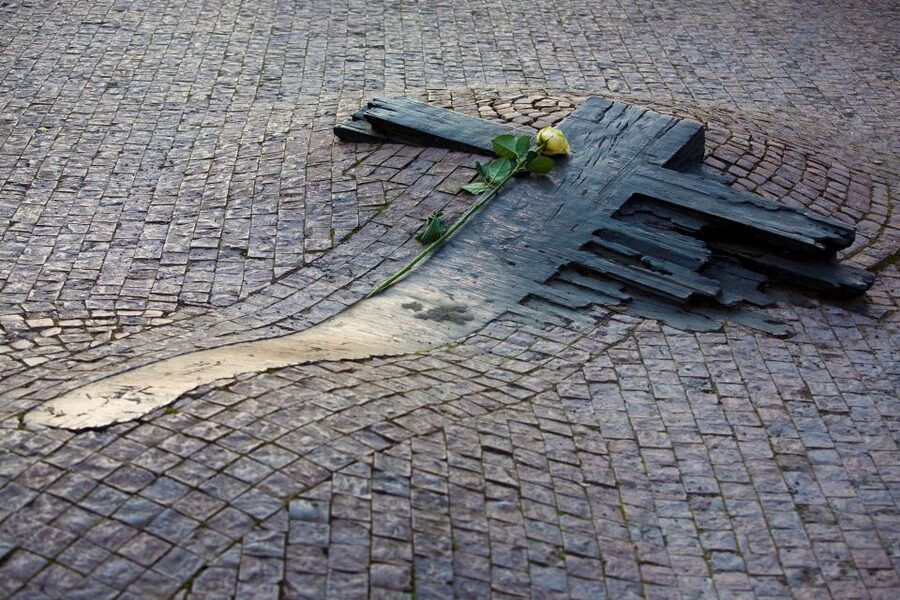
The tour doesn’t treat the end of Communist rule as a vague “then everything got better.” Instead, you get a clear thread connecting Jan Palach—including why he set himself on fire—to the later shift toward freedom and the Velvet Revolution.
This segment is one reason the tour feels unusually grounded. It tells you that big political turns often come from individuals willing to risk everything, and it shows how those actions ripple outward into a wider movement.
You’ll likely find yourself thinking about the present while hearing this history. It’s the kind of tour that makes you notice how public space and public speech can become tools for resistance.
Museum of Communism: The Optional Follow-Up That Can Be Worth It
The tour includes a 10% discount coupon for the Museum of Communism, and it also offers Museum of Communism entry ticket if you select that option. That’s a smart add-on if you want details beyond what a two-hour walk can cover.
Even if you skip the museum ticket, the discount coupon gives you a low-pressure reason to return later. If the walking story sparks questions—about propaganda, censorship, everyday life, or institutions—you’ll have an easy next step.
I’d especially recommend the museum option if you’re doing Prague as a longer stay and you don’t want this history thread to end the moment your feet get tired.
Guide Quality: Why Names Like Martin, Otakar, and Inna Matter
A big part of the tour’s success is the guide. The experience is run with live guides in English, German, or Russian, and people have praised how ready they are to answer questions and explain cause-and-effect in a way that makes sense.
You’ll hear examples of guide styles from names like Barbara, Martin, Otakar, Inna, Geoff, and Illene. The common thread in that feedback is clear: guides do more than recite facts. They connect political events to what it felt like to live through them, and they’ll talk when you ask.
If you like interactive tours—where your questions actually shape the conversation—this one tends to fit. If you prefer a quieter, purely lecture-style walk, you might want to set your expectations that the guide will field discussion.
Price and Value: Is $29 a Good Deal for Two Hours?
At $29 per person for a two-hour walking tour, the value is strongest if you’re trying to get orientation in the 20th century without spending all day reading. You’re paying for two things that guide-led tours do well: sequencing (how events connect) and interpretation (what symbols and actions meant).
The discount coupon for the Museum of Communism helps stretch that value further, especially if you plan to go inside the museum afterward. And if you choose the option with museum entry, you turn the experience into a longer “story arc” instead of a one-time walk-by.
The biggest factor for value is your goal. If you want a fast, no-fuss introduction to WWII lead-up, Nazi occupation traces, Communist-era life, and the path to the Velvet Revolution, this fits neatly. If you’re looking for extensive time in museums or deep archival detail, you’ll likely want to pair it with the museum visit.
Getting the Most Out of It: Simple Tips Before You Go
This tour is a walking experience, so comfortable shoes matter. The subject can also be intense, so don’t schedule it back-to-back with something that needs you to stay emotionally detached.
You should also note that alcohol and drugs are not allowed. It’s a good sign this tour stays focused on learning and walking.
Lastly, keep your expectations aligned with the format. Two hours is short, so the guide will prioritize the moments that connect the story line: WWII lead-up, Communist rule, key symbolic events, and the turning points like Jan Palach and the Velvet Revolution.
Should You Book the Communists and World War II Tour?
Book it if you want Prague to mean more than architecture. This tour is for you if you like history that connects directly to the streets you’re walking—WWII lead-up, Nazi occupation traces, Communist symbolism, and the eventual shift toward the Velvet Revolution.
Skip it if your ideal Prague day is light, scenic, and photo-first. The walk is built for learning, and the themes are dark enough that you’ll feel them.
If you’re on a first visit and you want a fast way to understand how 20th-century power shaped the city’s public spaces, this is one of the clearest ways to do it in a short time. And if the story hooks you, the Museum of Communism coupon gives you an easy route to keep going.
FAQ
How long is the Prague Communists and World War II Tour?
It lasts 2 hours.
What does the tour cost?
The price is $29 per person.
Where do I meet my guide?
You meet at Křižovnické náměstí, in front of the Charles Bridge, next to the Statue Charles IV. The guide holds an orange umbrella.
What is the nearest public transport stop?
The closest tram or subway station is Staroměstská.
Are museum tickets included?
A Museum of Communism entry ticket is included only if you select that option. You also get a 10% discount coupon for the museum.
What languages are available?
The live tour guide is available in German, Russian, and English.
What should I bring and wear?
Bring comfortable shoes, since it’s a walking tour.
What is not allowed during the tour?
Alcohol and drugs are not allowed.
Can I cancel for a refund?
Yes. You can cancel up to 24 hours in advance for a full refund.
More Tours in Prague
More Tour Reviews in Prague
More Communism & Wartime History
More Prague tours we have written up lately


Communism & WWII History Tours, compared.
 ★ 4.7Communism History and Nuclear Bunker Guided TourFrom $442,417 reviews
 ★ 5.0Prague Communism History and Nuclear Bunker TourFrom $451,742 reviews
 ★ 5.0Communism & Nuclear Bunker Tour + 70s Canteen Lunch (own expense)From $351,036 reviews
 ★ 4.7WWII Guided Tour & The Crypt of Operation AnthropoidFrom $421,030 reviews
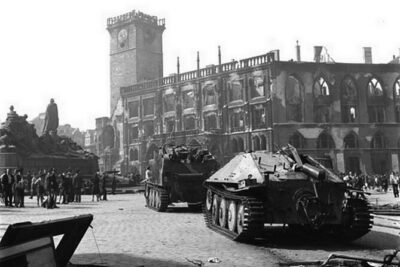 ★ 5.0WWII in Prague Tour & The Crypt of Operation AnthropoidFrom $43817 reviews
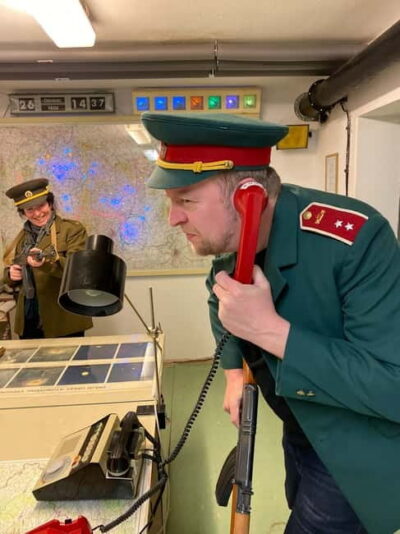 ★ 4.8Communism and Bunker Tour with 70s Canteen LunchFrom $34269 reviews
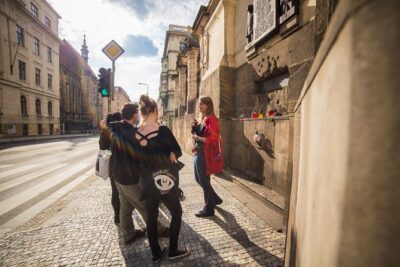 ★ 5.0Small-Group World War 2 & Operation Anthropoid Tour in PragueFrom $33231 reviews
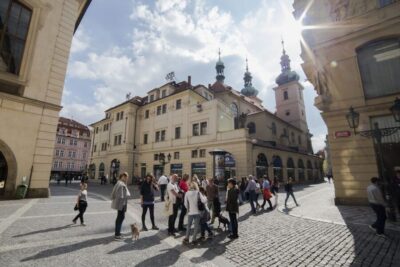 ★ 4.8World War 2 and Operation Anthropoid Walking TourFrom $32193 reviews
Browse the lists this tour appears in