
REVIEW · COMMUNISM & WWII HISTORY TOURS
Prague Cold War Walking Tour
Cold War Prague feels like a map with labels you never noticed. This 3-hour walking tour is built for people who want a historian to explain why Communist power looked the way it did, and how Czechoslovakia’s politics changed the street corners you walk past today. I also like the small-group setup, capped at 8 travelers, so you’re not stuck listening to a whispery lecture while herding other people.
If you’re curious about propaganda as real urban design, this tour gives you that angle fast. You’ll connect major sites like Vitkov Hill, the John Lennon Wall area of protest, and Wenceslas Square to the bigger story of the rise of Communism and the shock of the Velvet Revolution. The one catch: the walk includes a steep climb to Vitkov Hill, and you’ll want to be comfortable on uphill stairs and paths.
In This Review
- Key things I’d bet on before you book
- Cold War Prague on foot: why this 3-hour route works
- Where the tour starts: Náměstí Republiky, St. Joseph Church, and finding your group
- Stop 1: Karlin–Žižkov pedestrian tunnel and the bunker doorway mood
- Vitkov Hill’s monument complex: Gottwald, the Soviet soldier hall, and state theater
- Short view break at the Žižkov TV tower: brutalist angles and propaganda geography
- Wenceslas Square and the upside-down King: where politics became street-level drama
- Letná, the Lennon Wall, and the National Assembly: how the route connects propaganda to resistance
- Value and price reality: what $126.43 gets you
- What kind of guide makes this tour click
- Who this tour suits best
- Practical tips for a smoother, better day
- Should you book the Prague Cold War Walking Tour?
- FAQ
- How long is the Prague Cold War Walking Tour?
- Where does the tour start?
- Is the tour in English?
- What’s included in the price?
- How many people are in the group?
- Is the tour physically demanding?
Key things I’d bet on before you book
- Historian-guided Cold War narrative that turns monuments into explanations, not just photos
- Max 8 people means more questions and less time waiting for the group to regroup
- Vitkov Hill stop with the Soviet soldier hall and Klement Gottwald’s former mausoleum/lab
- Karlin–Žižkov pedestrian tunnel and the still-maintained locked doors tied to nuclear shelter corridors
- Wenceslas Square focus, from occupying-parade history to the Velvet Revolution’s one-day ignition
- Short add-on sights nearby, like the Žižkov TV tower view and the upside-down King Wenceslas sculpture
The 20th century left its mark here. More of that history, on foot.
- Prague: Communism History and Nuclear Bunker Guided Tour★ 4.7 · 2,417 reviews
- Prague Communism History and Nuclear Bunker Tour★ 5.0 · 1,742 reviews
- Communism & Nuclear Bunker Tour + 70s Canteen Lunch (own expense)★ 5.0 · 1,036 reviews
- Prague: WWII Guided Tour & The Crypt of Operation Anthropoid★ 4.7 · 1,030 reviews
Cold War Prague on foot: why this 3-hour route works
A lot of Prague tours hand you a list of buildings and call it history. This one does the opposite. You get a guided route through major Communist-era locations, with a “how did they sell power?” thread running underneath the whole day.
The time frame matters. Three hours is long enough to cover several locations, but short enough that you won’t feel like you’re trudging through another full-day sight factory. And because it’s designed as a walking circuit with included tram tickets, you’re not stuck doing only slow footwork between far-flung points.
You’re also getting a specific lens: Communism in the Czech lands as a mix of ideology, propaganda, and day-to-day control. That’s why the tour feels practical, not just political. You’ll start noticing details like statues, civic buildings, and memorial spaces as systems meant to shape behavior.
Where the tour starts: Náměstí Republiky, St. Joseph Church, and finding your group
The meeting point is listed at Náměstí Republiky 1077/2, Nové Město. The tour description also frames the start near St. Joseph Church, which is useful if you’re arriving on foot and prefer a landmark over an exact street address.
Plan to arrive early enough to settle in before the walk gets going. Even with a small group, Prague can be busy and crosswalks can slow you down. If you want the best experience, show up with comfortable shoes and a ready phone battery for photos.
This tour offers a morning or afternoon departure. The provided start time example is 2:00 pm, but you choose the time when booking. If you’re sensitive to hills, afternoon light can be nicer for photos, while morning can be cooler for walking.
Stop 1: Karlin–Žižkov pedestrian tunnel and the bunker doorway mood
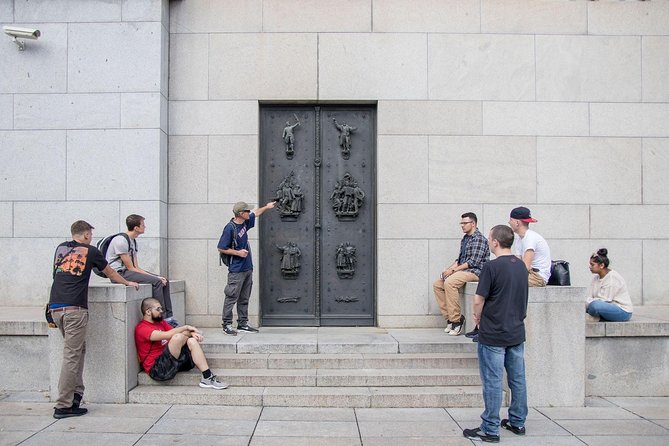
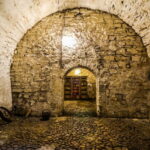
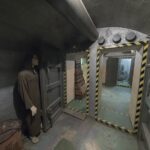
The first stop is the Pedestrian Tunnel Karlin–Žižkov. You’ll walk through the tunnel and notice the locked doors that lead to Cold War-era nuclear bomb-shelter corridors that are still maintained.
This is the kind of stop that changes how you see the city. On the surface, it’s just a tunnel people use to cross. But the story reframes it as infrastructure built for fear and contingency. You’ll leave with a sharper sense that the Communist period wasn’t only about rallies and monuments. It was also about what could happen after the sirens, and what the state prepared behind the scenes.
The stop is brief (about 10 minutes), so don’t expect a museum-style explanation. Instead, treat it like a prompt: pay attention to how design can carry an entire political worldview.
Vitkov Hill’s monument complex: Gottwald, the Soviet soldier hall, and state theater
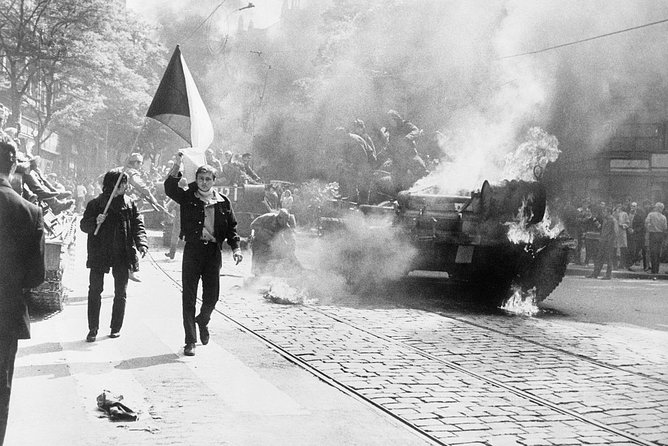
Vitkov Hill is where the tour earns its reputation. The climb is part of the experience, and it’s also the part you should respect. The monument area involves a steep uphill ascent and the tour notes 20–30 minutes of climbing uphill. If hills wreck your day, don’t force it. The operator says they can offer a strong alternative focused on Cold War sites without the Vitkov climb.
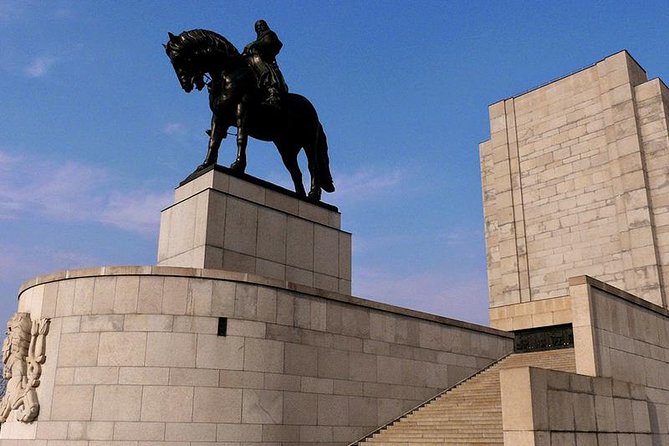
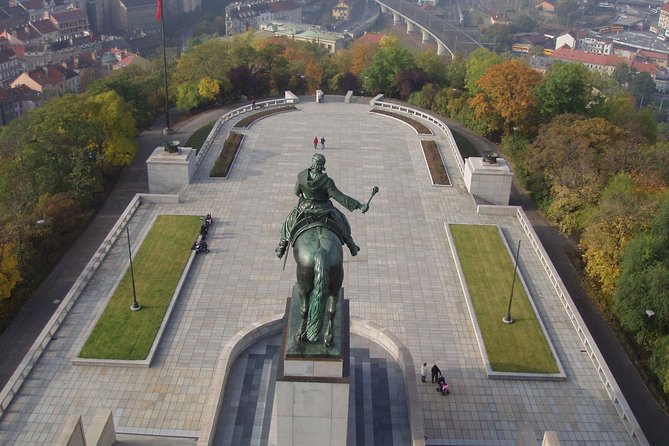
Once you’re up there, you’ll see the National Monument at Vitkov, including the Hall of the Soviet Soldier. This is where the Cold War turns into sculpture, scale, and symbolism. It’s not subtle, and that’s the point.
You’ll also cover a particularly eerie chapter tied to Klement Gottwald, the first chairman of the KSC. The description highlights his mummified corpse being displayed in the former mausoleum, plus the adjacent laboratory where his body was embalmed. Whether you’re squeamish or not, this stop forces you to confront how regimes use bodies, rituals, and controlled visibility to build loyalty.
And then there’s the statue conversation. The tour description points to a huge equestrian monument connected to Jan Žižka. Depending on how the monument is described, you’ll hear it framed as among the biggest equestrian statues worldwide, including notes like the third largest bronze equestrian statue. Either way, the practical takeaway is that these monuments aren’t only about commemoration. They’re about dominance, and they’re meant to be seen from below while you climb toward them.
One more note: the Vitkov monument admission is not included in the tour price. The guide and included tram tickets help you with the tour experience, but this stop can add a separate cost at the gate.
Prefer to cover it on foot? More Prague walks across the old lanes.

Short view break at the Žižkov TV tower: brutalist angles and propaganda geography
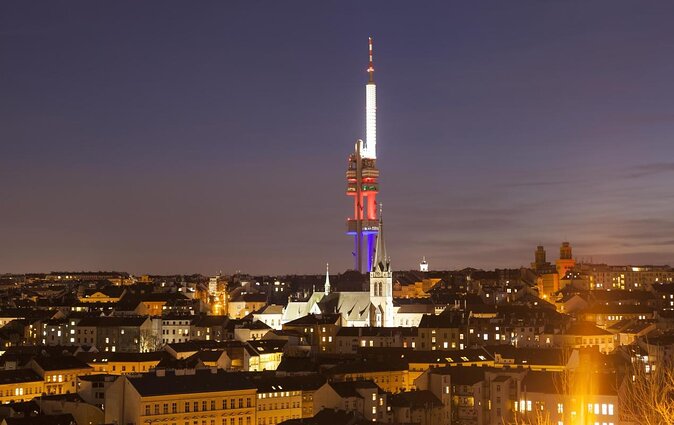
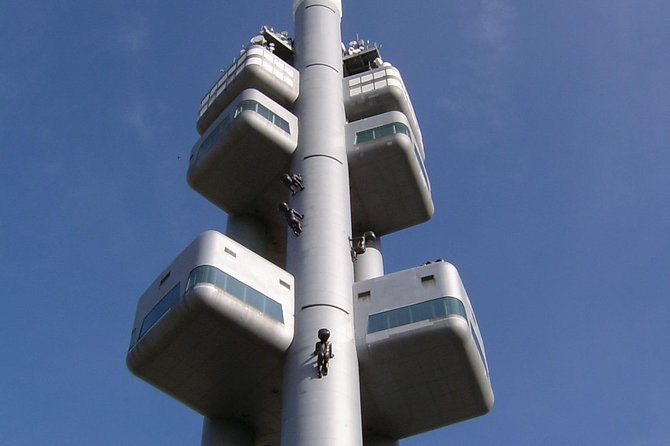
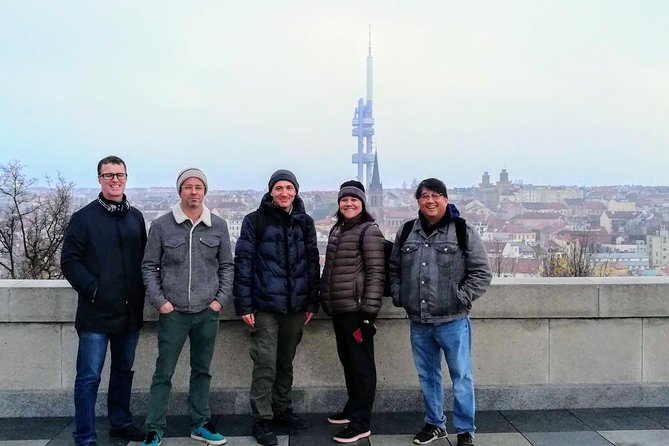
After the monument complex, you’ll stop at the Prague TV tower area, specifically the Žižkov Television Tower for a short break and a view.
This stop is only around 5 minutes, so think of it as a reset, not a deep dive. The point is to look at the city from the right angle. The tower itself is brutalist in style, which pairs nicely with the Cold War theme: both are forms built to impress through blunt shape and mass.
More importantly, you’ll be using your new knowledge of Communist spatial planning. From this kind of viewpoint, it’s easier to understand how power claims space across the skyline. It’s not just what leaders built. It’s where they chose to place it.
Wenceslas Square and the upside-down King: where politics became street-level drama
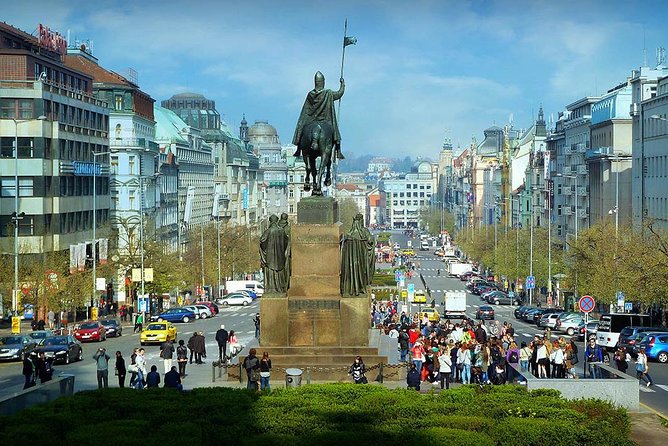
The tour spends time at Wenceslas Square, about 20 minutes, walking through and reflecting on how the square changed over centuries. You’ll move from its long timeline to the era of occupying powers, then into tragic events tied to Prague Spring. The tour then zooms in on the Velvet Revolution, when mass public action flared into momentum in a single day.
For me, this is the heart of the emotional arc. Monuments and tunnels can feel like locked boxes of the past. Wenceslas Square is about what people did with their feet in real time.
Nearby, you’ll also encounter the Upside-Down Statue of King Wenceslas riding a dead horse. It’s a small stop (about 5 minutes), but it’s a smart one. The tour uses it to talk about how modern Central European political mood can be both ironic and loaded. It also helps you see that the Communist era didn’t end with one revolution and then fade. The arguments about authority and national identity kept evolving.
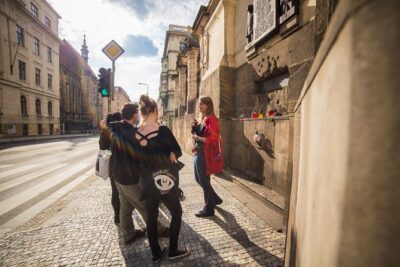
And along the broader walk, the tour route is described as weaving in additional landmarks tied to protest and Communist governance. You may pass or discuss areas like the John Lennon Wall as a political protest site, and you’ll also see the National Assembly building, described as the seat of Communist government. Even when you’re not stopping for long, the guide’s context connects those dots so your photos come with meaning.
Letná, the Lennon Wall, and the National Assembly: how the route connects propaganda to resistance
The route isn’t just about one hill and one square. You’ll hear about Letná Hill, linked to the former enormous Stalin statue, including the tragic story of its sculptor. The message here is blunt: even when regimes fall, they leave behind unfinished conversations in stone and iron.
The John Lennon Wall angle matters too. It’s not Communist iconography. It’s what people wrote on the city after the pressure, when protest became visible street culture. That contrast gives you a fuller picture than a tour that only shows how the state tried to control belief.
And when you pass the National Assembly building described as the Communist seat of government, the tour helps you connect architecture to decision-making. You stop thinking of politics as something that happens offstage. You see it as a set of controlled spaces: offices, councils, public ceremonies, and official displays.
Value and price reality: what $126.43 gets you
At $126.43 per person, you’re paying for three things: the guided historian-led route, the small-group experience (maximum 8 travelers), and tram tickets that help you move between points without wasting time.
What’s not included is food and drinks, and hotel pickup and drop-off. Also, the big monument stop at Vitkov specifically notes admission not included. So your total day cost may be a bit higher once you factor in that ticket.
Is it good value? For Prague, it’s reasonable if you care about interpretation. You’re not just paying for access to buildings; you’re paying for someone to explain why those buildings were built, what messages they sent, and what effect they had on daily life. If you like tours where history connects to how the city looks, the price makes sense.
If you want pure architecture sightseeing with minimal commentary, you might feel like the cost is high. For that style of traveler, a self-guided route could be cheaper.
What kind of guide makes this tour click
The tour is built around a historian guide, and that’s the difference between learning names and actually understanding why those names matter. In the feedback you’ll see praise for guides who can turn propaganda into a logical story line.
One guide name that comes up in praise is Vadim, described as giving an amazing, sophisticated, intellectual discussion of communism in the Czech lands. That’s a helpful signal for what you should look for in the tour style: thoughtful pacing, clear explanations, and a focus on how ideology shaped daily life.
Who this tour suits best
This is a strong match if you:
- Want a guided explanation of Prague’s Communist-era influence, not just photos
- Like political history that connects to objects you can point at
- Enjoy a small group where you can ask questions
- Are okay walking at a moderate pace, including hills
You should think twice if you:
- Have trouble with steep uphill climbs, since Vitkov Hill is part of the planned experience
- Want a low-effort tour with minimal walking and minimal stairs
The operator’s own note is practical here: if Vitkov Hill is a problem, ask about an alternative that skips that climb but still covers Cold War sites in the city center.
Practical tips for a smoother, better day
Wear shoes you trust on uneven pavement and steep paths. Vitkov’s climb is the main physical factor, but Prague sidewalks and crossings still take energy.
Bring a water bottle if you tend to get thirsty. Food and drinks aren’t included, so you’ll want to plan your refreshments around the walk length.
Also, keep your expectations aligned with the structure. This tour is about guided interpretation at key sites, not a long sit-down lecture. The short stops are there to move you through the story like scenes in a film.
If you’re a photo person, pace yourself. Some of the most important moments are tied to what the guide points out, not just what you capture in one shot.
Should you book the Prague Cold War Walking Tour?
Book it if you want Prague with an honest political lens and you like historians who explain cause and effect. The small-group size, the historian-led focus, and the way the route links monuments, tunnels, and protest sites make it more than a checklist.
Skip or ask for an alternative if the Vitkov Hill climb sounds rough for you. The tour’s strongest material is up there, but your comfort matters more than pushing through pain.
FAQ
How long is the Prague Cold War Walking Tour?
It runs about 3 hours (approx.).
Where does the tour start?
The meeting point is listed at Náměstí Republiky 1077/2, Nové Město, Prague 1. The tour description also references St. Joseph Church as the start landmark.
Is the tour in English?
Yes, it’s offered in English.
What’s included in the price?
The tour includes a historian guide and tram tickets. Admission at the Vitkov monument is not included, and food and drinks are not included.
How many people are in the group?
The tour has a maximum of 8 travelers.
Is the tour physically demanding?
It calls for moderate physical fitness, with a steep climb up to Vitkov Hill (about 20–30 minutes of uphill climbing). If that’s a challenge, the operator says they can offer a different cold war route that doesn’t require the Vitkov ascent.
More Tour Reviews in Prague

On Foot Through Prague, Continued
More Communism & Wartime History
More Prague tours we have written up lately

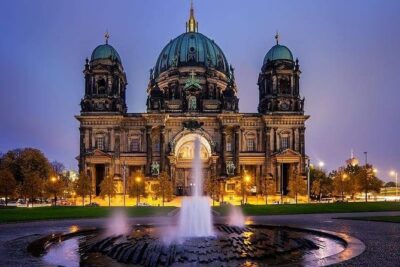

Communism & WWII History Tours, compared.
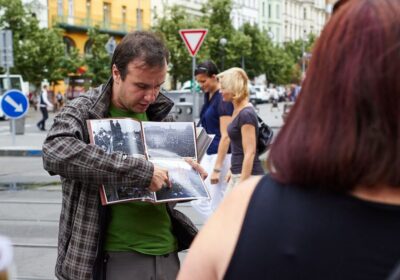 ★ 4.7Communism History and Nuclear Bunker Guided TourFrom $442,417 reviews
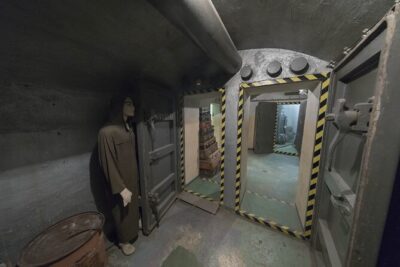 ★ 5.0Prague Communism History and Nuclear Bunker TourFrom $451,742 reviews
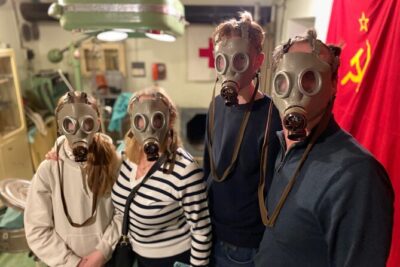 ★ 5.0Communism & Nuclear Bunker Tour + 70s Canteen Lunch (own expense)From $351,036 reviews
 ★ 4.7WWII Guided Tour & The Crypt of Operation AnthropoidFrom $421,030 reviews
 ★ 5.0WWII in Prague Tour & The Crypt of Operation AnthropoidFrom $43817 reviews
 ★ 4.8Communism and Bunker Tour with 70s Canteen LunchFrom $34269 reviews
 ★ 5.0Small-Group World War 2 & Operation Anthropoid Tour in PragueFrom $33231 reviews
 ★ 4.8World War 2 and Operation Anthropoid Walking TourFrom $32193 reviews
Browse the lists this tour appears in