
REVIEW · PRAGUE MUSEUMS & GALLERIES
From Prague: Terezín and Ghetto Museum Guided Tour
Terezín hits you hard. This half-day trip from Prague takes you to Terezín’s Small Fortress and the Ghetto Museum, with added stops tied to the ghetto’s prison history. It’s heavy subject matter, but the guided format helps you connect names, dates, and spaces so the story clicks instead of just sitting there as facts.
I like two things a lot. First, the hotel pickup makes the day feel easy to start—get on the vehicle, then let the schedule carry you. Second, the guides (I’ve seen examples like Veronica, Martin, Tony, and Roger) keep the history moving with clear context and plenty of chances to ask questions.
One drawback: the full program is packed into 6 hours, so you may feel rushed if you want to read every exhibit panel slowly and watch every film moment.
In This Review
- Key things I found most compelling
- Terezín as a guided, not just sightseeing, experience
- How the half-day flows from Prague (and why timing matters)
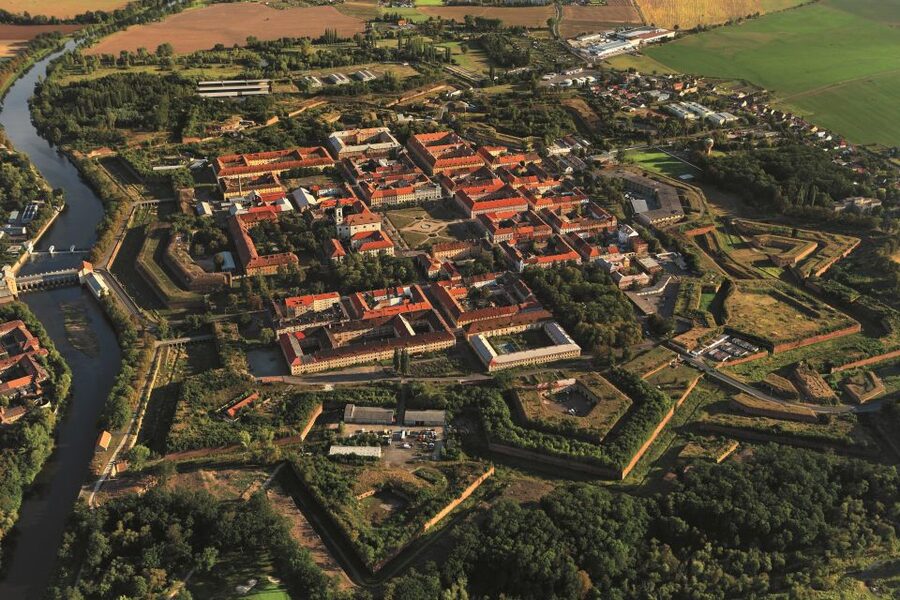
- Small Fortress of Terezín: Joseph II’s walls, repurposed
- Ghetto Museum opened in 1994: reading what the permanent exhibition is trying to do
- Ceremonial Halls and the Central Morgue: why these stops are included
- What I think you’re really paying for at $86
- The guide experience: stories, questions, and sometimes a smaller group
- Practical tips you’ll thank yourself for
- Who should book this Terezín tour—and who might want a different approach
- Should you book this Terezín and Ghetto Museum guided tour?
- FAQ
- How long is the Terezín and Ghetto Museum guided tour?
- What is included in the price?
- Is food or drinks included?
- Which sites will we visit?
- What languages are available for the live guide?
- Where does pickup happen?
- Is the voucher time the pickup time?
- Is the tour suitable for guests with mobility impairments?
Key things I found most compelling
- Small Fortress in Joseph II’s era, later repurposed into a wartime prison and ghetto complex
- Ghetto Museum opened in 1994, focused on the political prison and Nazi persecution of the Czech nation
- Ceremonial Halls and the Central Morgue are included, so you get more than the main exhibition rooms
- Guides bring the timeline together—from what you see to why it matters historically
- Pickup logistics are handled, but you’ll want to watch the voucher time vs. the emailed pickup time
- No food stop is planned, so you’ll want to manage snacks and water yourself
Rainy afternoon covered. More Prague museums and galleries.
- Prague: Klementinum Library & Astronomical Tower Guided Tour★ 4.5 · 5,050 reviews
- Prague: Museum of Fantastic Illusions Entry Ticket★ 4.3 · 4,337 reviews
- Prague: Petřín Tower and Mirror Maze Entry Ticket★ 4.3 · 2,294 reviews
- IAM Illusion Art Museum Entry Ticket★ 4.2 · 1,664 reviews
Terezín as a guided, not just sightseeing, experience
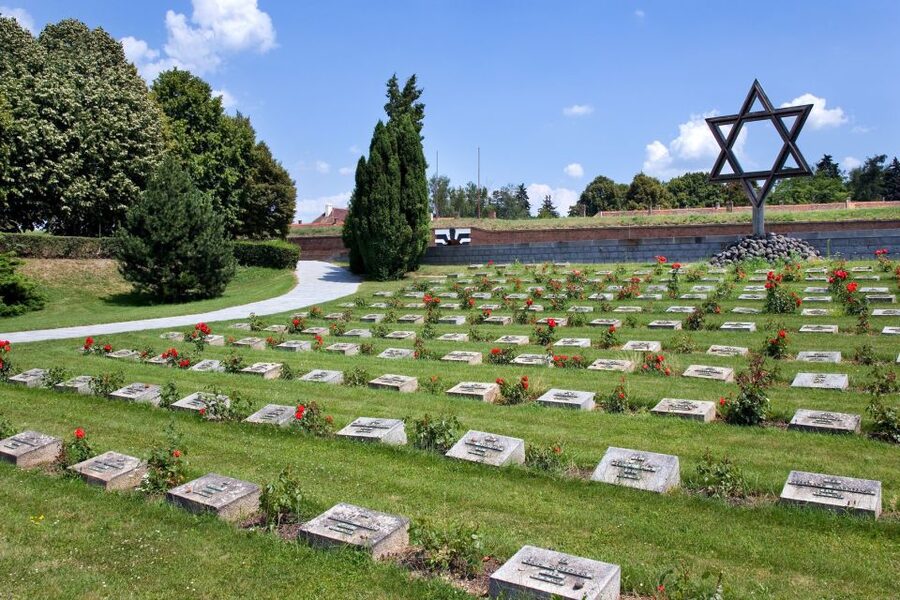
Terezín isn’t a place where you can casually “check it off.” Even before you reach the sites, you can feel that this is meant to be understood, not just photographed. That’s where a guided tour earns its keep. A good guide doesn’t soften anything. Instead, they help you place what you’re seeing into a clear sequence—what this space was, what it became, and what happened to the people inside it.
What I like about this tour is that it combines multiple layers. You’re not only looking at museum displays. You’re also stepping into the fortress and then moving through the Ghetto Museum spaces where the story is explained in a permanent exhibition format. You’ll leave with more than impressions—you’ll have a usable framework for the broader World War II context.
How the half-day flows from Prague (and why timing matters)
This is a 6-hour experience built around a half-day rhythm: you’re picked up in Prague, driven out to Terezín, met by your guide, then shown the main sites before returning back to Prague.
A small but important detail: the time on your voucher is the tour start time, not the pickup time. Pickup timing is sent to you at least 24 hours before the tour. The driver waits no longer than 5 minutes after the scheduled pickup time, so it’s smart to be ready when that window arrives.
Also note the pickup limitations. Free pickup isn’t available if your reservation is made less than 24 hours before start, and if your hotel is inside a pedestrian zone, you won’t be eligible for pickup. If your hotel is in one of those tricky areas, plan to meet at an agreed point instead of assuming the guide can pull right up to your door.
Why this matters to you: when you only have 6 hours total, the day works best when you treat it like a schedule, not like a flexible stroll.
Small Fortress of Terezín: Joseph II’s walls, repurposed
The Small Fortress is the early “anchor” stop of the day. It was built in the 18th century by Emperor Joseph II, and that original purpose is part of what makes it so haunting to stand in. You’re seeing architecture designed for control, order, and containment—then learning how that kind of structure was exploited during wartime.
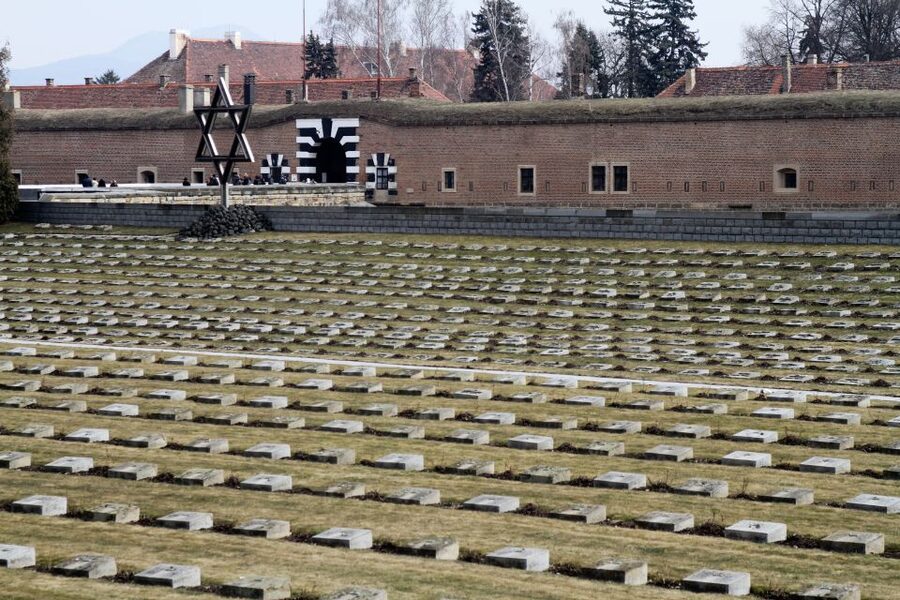
In World War II, the fortress served multiple roles: a Gestapo police prison, and also a Jewish ghetto and concentration camp. A strong guide connects these facts to what you actually see on the ground. Instead of treating them like separate trivia points, the guide frames them as a system: how incarceration, interrogation, and persecution were carried out through spaces like this.
Practical expectation: this is not a casual photo stop. Expect quiet, walking, and moments where you’ll want to pause. If you’re going with family or friends, it helps to agree ahead of time that some stops may feel emotionally tough.
Ghetto Museum opened in 1994: reading what the permanent exhibition is trying to do
The Ghetto Museum opened in 1994 and holds a permanent exhibition about the history of the political prison and the persecution of the Czech nation under the Nazi regime.
Here’s what you should know so the museum lands the way it’s meant to: the exhibits aren’t only trying to inform you. They’re trying to help you understand how persecution worked as policy, how political imprisonment functioned, and how civilians were affected. That’s why the guide matters so much—good explanations help you connect museum panels to the real-world locations around you.
One thing I’d flag based on how the day is paced: there can be a lot to process quickly. Even when the guide is great, there’s limited time to read everything in detail. If you’re the type who likes to linger over text, be ready that the schedule will keep you moving. You might catch the main story clearly, but you may not catch every single commentary line.
Also, the museum experience isn’t only panels. One review mentioned cinema show elements. If you want to focus, treat these like key parts of the lesson, not distractions—sit where you can hear well, and let the guide steer you to what matters most.
A sobering hour north. More Terezin memorial visits.



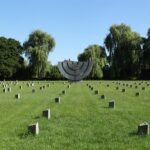
Ceremonial Halls and the Central Morgue: why these stops are included
This tour includes the Ceremonial Halls and the Central Morgue. Those names alone tell you that this isn’t just a “history lecture.” These rooms are part of the ghetto’s brutal system, and the inclusion of such spaces changes the tone of the day.
In plain terms: the tour uses these stops to ensure you don’t only learn the background. You learn what the place meant in practice—the human cost built into the machinery of the camp system.
Expect guided explanation, because without context these spaces can blur together into “more rooms.” With context, you understand them as specific functions in the broader operation.
A heads-up for your mindset: if you’re emotionally sensitive, this is the part where you may want to take short breaks and breathe. Bringing that permission to yourself makes the whole experience more manageable.
What I think you’re really paying for at $86
At about $86 per person, the value isn’t just the entry to a museum. What you’re buying is organization plus guided interpretation plus admission fees. This matters because Terezín is the kind of place where DIY can turn into scrolling captions on a phone while you miss the bigger connections.
I’ve seen guides described as storytelling-focused and strongly focused on historical context—names like Veronica and Martin show up as examples of guides who make the timeline understandable. Another common theme is that guides will answer questions and adjust if the group needs it. That personal attention is hard to replicate on a self-guided schedule.
Here’s my practical take: if you want to understand why each stop matters, and you’d rather not coordinate transport out of Prague while trying to line up multiple sites, this price feels fair for what’s included.
If you’d rather go at your own pace and you’re comfortable piecing together context yourself, you might decide something else fits better. But in that case, you’d need to accept that you’ll be doing more of the work.
The guide experience: stories, questions, and sometimes a smaller group
A big portion of the day’s impact is the guide. Multiple guide names appear in the feedback—Veronica, Martin, Tony, Roger—along with praise for clear explanations and question time.
Two patterns stand out:
- Guides often explain history not only at the stops, but also during the drive, so you arrive already oriented.
- Group size can be small. Some people reported only a handful of guests, and in at least one case a private-like experience happened when the tour didn’t fill.
That smaller-group feel is a quiet value booster. You can hear the guide better. You can ask questions without feeling rushed. And you’re more likely to get explanations tailored to what you care about.
Language is another issue to plan for. Tours are listed as available in English, Russian, Italian, Spanish, and German. However, there was at least one report where an English booking ended up as a dual-language situation. If English-only is important for you, I recommend double-checking what language(s) you’ll actually hear on the day.
Practical tips you’ll thank yourself for
This tour is not built around long breaks. It moves through multiple sites in 6 hours, and one consistent theme is that there’s no planned food or drink stop.
So bring basics:
- A snack and water for later in the day, especially if you’re sensitive to long gaps.
- Comfortable walking shoes. The sites are not described as right next to each other, and the day includes transitions.
- A layer. One report mentioned air-conditioning issues on the bus in warm conditions. That’s not universal, but it’s enough to justify a light jacket or something breathable you can adjust.
Also, be mentally prepared: this is a sad, emotionally demanding visit. Even when the guide makes it understandable, you’re still confronting real persecution and suffering.
Finally, the tour isn’t suitable for people with mobility impairments. If that’s you or someone in your group, this may not be the right fit.
Who should book this Terezín tour—and who might want a different approach
Book it if:
- You want a guided timeline that turns the sites into understanding.
- You’d like hotel pickup and admissions handled, so you can focus on the learning.
- You’re okay with moving at a steady pace and having limited time to read every exhibit panel.
Consider another option if:
- You’re the type who needs extra time for reflection and reading long captions line-by-line.
- You’re expecting a more relaxed, unstructured visit. This is organized and scheduled.
If you’re going with teens or family, it can be a powerful educational day—just be realistic about emotional intensity and the limited time.
Should you book this Terezín and Ghetto Museum guided tour?
I’d recommend it if your priority is understanding and you want the structure. The best version of this day happens when you treat the guide’s explanations as part of the experience, not an add-on. The Small Fortress plus the Ghetto Museum plus stops like the Ceremonial Halls and Central Morgue create a full picture in a half-day timeframe, and that combination is hard to replicate on your own without serious planning.
Just go in with eyes open: it’s intense, time is tight, and you’ll need to bring your own snack and water. If you do that, you’ll get a thoughtful, guided visit that helps the place make sense—so you leave with learning, not just images.
FAQ
How long is the Terezín and Ghetto Museum guided tour?
It lasts 6 hours.
What is included in the price?
The tour includes hotel pickup, drop-off in Prague, a live guide, and admission fees.
Is food or drinks included?
No. Food and drinks are not included.
Which sites will we visit?
You’ll see the Small Fortress of Terezín and explore the Ghetto Museum, including the Ceremonial Halls and the Central Morgue of the ghetto.
What languages are available for the live guide?
The live guide is offered in English, Russian, Italian, Spanish, and German.
Where does pickup happen?
You’re picked up from your hotel in Prague (but pickup may not be available if your reservation is made less than 24 hours before the tour start, or if your hotel is inside a pedestrian zone).
Is the voucher time the pickup time?
No. The time on your voucher shows the tour start time. Pickup timing is sent to you at least 24 hours before the tour start.
Is the tour suitable for guests with mobility impairments?
No. It is not suitable for people with mobility impairments.
More Tour Reviews in Prague



More Terezin Memorial Trips

More Prague Museums & Galleries






More Prague tours we have written up lately



Prague Museums & Galleries, compared.
 ★ 4.5Klementinum Library & Astronomical Tower Guided TourFrom $185,050 reviews
 ★ 4.3Museum of Fantastic Illusions Entry TicketFrom $174,337 reviews
 ★ 4.3Petřín Tower and Mirror Maze Entry TicketFrom $142,294 reviews
 ★ 4.2IAM Illusion Art Museum Entry TicketFrom $161,664 reviews
 ★ 4.0Museum of Senses Admission TicketFrom $181,445 reviews
 ★ 5.0IAM Illusion Art Museum Prague Fast Pass TicketFrom $13957 reviews
 ★ 4.5Admission Ticket to Museum of Senses in PragueFrom $19861 reviews
 ★ 4.2Museum of Bricks Entry TicketFrom $14851 reviews
Browse the lists this tour appears in