
REVIEW · TEREZíN MEMORIAL DAY TRIPS
From Prague: Terezín Concentration Camp Day Tour
Terezín has a way of sticking with you. This full-day trip from Prague focuses on the Czech-Jewish WWII story through the former ghetto, the concentration camp areas, and the Gestapo prison. I like that the tour doesn’t stop at monuments—it pushes into museum material and hidden traces, including the story of Friedl Dicker-Brandeis and children’s paintings. I also like that the guides (I’ve seen names like Phillip, Petra, Adam, and Lija) keep the tone respectful while still making the history clear and human. The main drawback is simple: it’s a long, walking-heavy day in a solemn place, and lunch isn’t included (food options are limited), so you’ll want to plan ahead.
You’ll also notice that Terezín isn’t just one “site.” It’s a layered story: a real prison system, a place where prisoners tried to keep culture and religion alive, and a Nazi propaganda stage meant to mislead the world.
Practical heads-up: wear comfortable shoes and bring water. You’ll be on your feet for much of the day, and heat can make the walking feel longer than it should.
In This Review
- Quick Hits You’ll Care About
- From Prague to Terezín: How the Journey Sets the Tone
- Monuments and Memorials: What You Learn Before You Enter the Museums
- The Former Ghetto, Gestapo Prison, and the Camp Fortresses
- Former ghetto areas
- Gestapo prison
- Large and small fortress elements
- The Ghetto Museum and Magdeburg Barracks: Where the Details Come Alive
- Terezín’s Propaganda Role: The Red Cross Visit and Hidden Traces
- What the Most Praised Guides Do Right (and What You Should Look For)
- Price and Value: What You’re Paying For (and What Makes It Worth It)
- Logistics That Affect Your Comfort (Walking, Food, and Where You Meet)
- Bring this so the day goes smoothly
- Where you meet
- Heat and pacing
- Who Should Book This Tour—and Who Might Want to Skip It
- Should You Book the Prague to Terezín Day Tour?
- FAQ
- How long is the Terezín concentration camp day tour from Prague?
- What language is the guide?
- Is lunch included?
- How do I get from Prague to Terezín?
- Where is the meeting point in Prague?
- What should I bring for the day?
- Is there a live guide and is it a private group?
Quick Hits You’ll Care About
- You’ll cover the ghetto and fortress story, not just one monument stop.
- Ghetto Museum + Magdeburg Barracks give you a clearer sense of how imprisonment worked day to day.
- The tour is led in English with a live guide, often praised for sensitive pacing (names like Petra, Adam, Micha, and Mischa show up repeatedly).
- Expect a museum-focused layer, including how Nazis used Terezín for propaganda while also hiding the true Holocaust reality.
- Bring lunch and water—the day is long and food buying is limited once you’re out there.
A sobering hour north. More Terezin memorial visits.
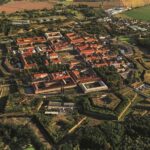
- Terezin Concentration Camp Day Tour from Prague★ 4.0 · 1,007 reviews
- From Prague: Terezín and Ghetto Museum Guided Tour★ 4.3 · 571 reviews
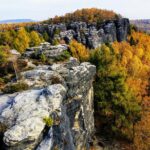
- Terezin & Bohemian Switzerland from Prague: Bastei, Narnia & Café★ 5.0 · 445 reviews
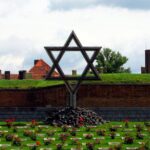
- From Prague: Terezin Concentration Camp & Memorial Tour★ 4.5 · 310 reviews
From Prague to Terezín: How the Journey Sets the Tone
This tour is built around getting you out of Prague and into the sleepy Bohemian countryside where Terezín sits, about an hour from the city center by the time you start moving beyond the transfer. You’ll travel either by public train or a private minibus depending on the option you pick, but in every case the idea is the same: get you there in time for a full, guided circuit.
Here’s what I think works well for most people: using public transport (when that’s the option) turns the day from a single “museum excursion” into a real connection with the region you’re visiting. One review specifically noted a train ride around an hour and then a short local bus connection before the walking begins. Even if your exact route differs, plan for timed transfers and a steady rhythm of walking plus waiting.
Also, the tour is 7 hours. That sounds tidy on paper, but it’s enough time to feel the day in your legs. If you don’t do well with long, somber days, you’ll feel it more here than on a normal sightseeing route.
Monuments and Memorials: What You Learn Before You Enter the Museums
The visit isn’t random. You’re guided through the places that shape the Terezín story: memorials and monuments across the former site, then into the museum areas for more detail.
What makes this part valuable is the context. Terezín was the kind of place that could look ordinary at first glance. The larger ghetto area was designed to function like a town where life continued inside a trap. That’s exactly why you need a guide; without a guided narrative, it’s easy to miss what’s really being shown.
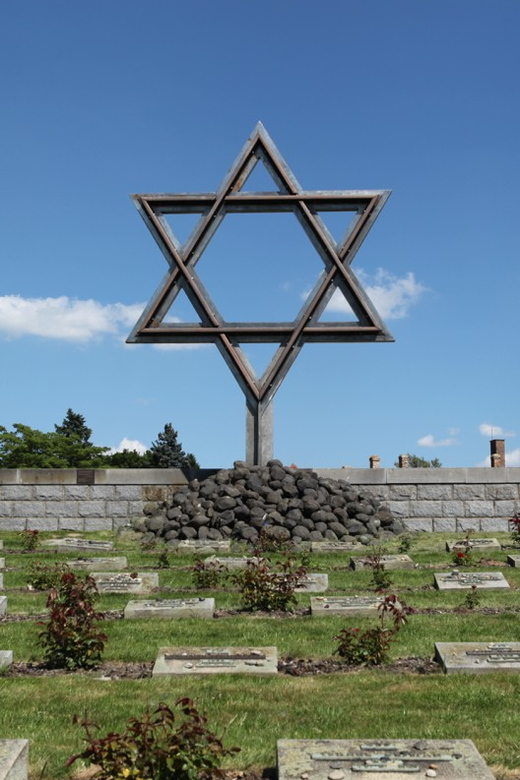
You also learn the hard numbers and the mechanisms behind them. The tour explains how about 33,000 prisoners perished, largely from malnutrition, disease, and brutal treatment by their captors. It also frames Terezín as a transit and extermination pipeline: for many, it was the last stop before deportations onward to places like Auschwitz, Treblinka, or Sobibór.
That combination—how the system worked and what it cost—turns memorial viewing from “seeing stones” into understanding a plan. You’re not just learning facts; you’re learning how oppression is organized.
The Former Ghetto, Gestapo Prison, and the Camp Fortresses
One of the strongest parts of the tour is that it doesn’t treat Terezín like a single museum building. You move through separate historical zones that each tell a different angle of the same story.
Former ghetto areas
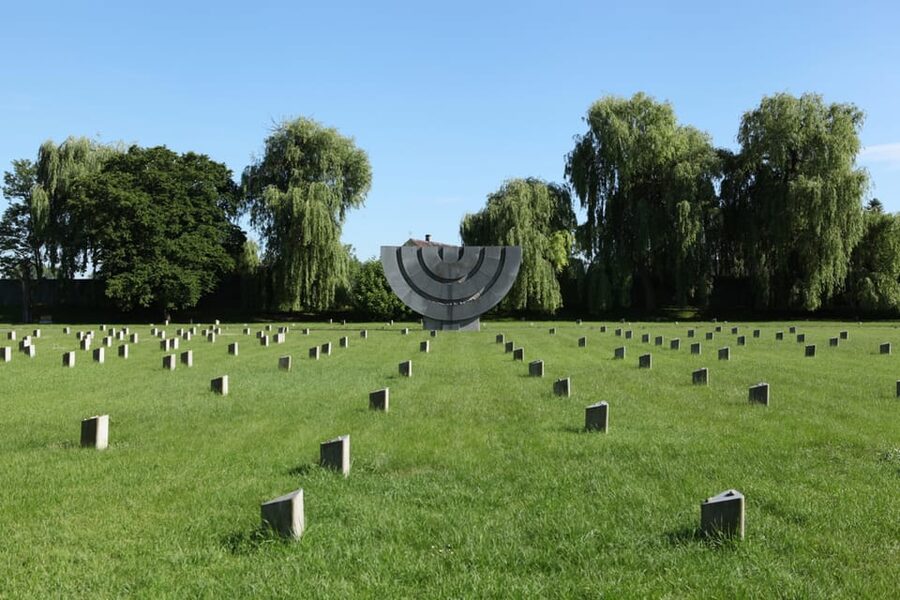
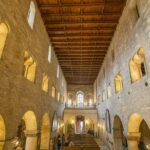
At the ghetto, the focus is on Czech-Jewish history during WWII and the reality of life under Nazi control. You’ll hear how prisoners tried to keep culture, religion, and community alive even under impossible conditions. That includes stories of celebrations and of artistic work—accounts that mention composing and staging operas. This doesn’t soften what happened. It explains how people fought back with humanity when the system was designed to break them.


Gestapo prison
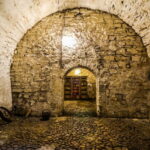
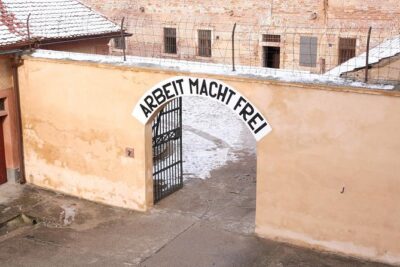
You also visit the Gestapo prison. This stop matters because it shows how “camp life” wasn’t only about starvation and forced labor—it also included interrogation, fear, and punishment. When you stand in these spaces, the story becomes less theoretical. It’s harder to reduce history to a textbook paragraph.
Large and small fortress elements
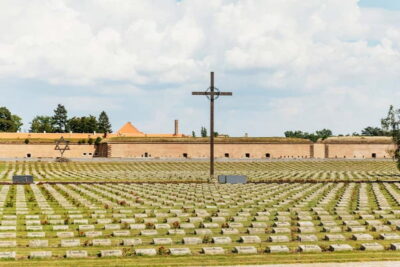
Terezín is also described in terms of its fortress structure: the town’s defenses and prison layout. One review highlighted that the small fortress feels instantly recognizable as a concentration camp, while the large fortress can feel more like a lived-in town at first. That contrast is a key learning moment. It’s why the guide’s narration matters: it helps you connect the physical layout to the human reality.
The Ghetto Museum and Magdeburg Barracks: Where the Details Come Alive
The Ghetto Museum and the Magdeburg Barracks are the stops where you start seeing how evidence survives even when everything was meant to erase it.
What I like about this approach is that the museum isn’t only about what Nazis did. It’s also about what people left behind—drawings, records, and personal traces that helped reveal what was happening inside the system. One review specifically mentioned learning through drawings and diaries displayed in the museum. That kind of source material gives you a different angle than photographs alone.
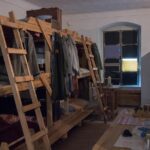
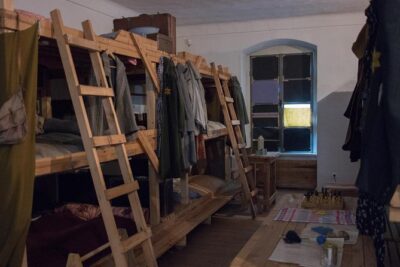
Magdeburg Barracks add another layer because barracks represent everyday confinement: where people lived, slept, and tried to maintain routines. This part tends to hit hard, but it’s also where your understanding becomes sharper. Instead of just hearing about persecution, you see how the physical setting reinforces control.
Practical tip: you’ll likely spend time standing and moving through exhibit rooms. That’s a reason to wear comfortable clothes and plan for indoor pacing that’s just as slow as outdoor walking.
Terezín’s Propaganda Role: The Red Cross Visit and Hidden Traces
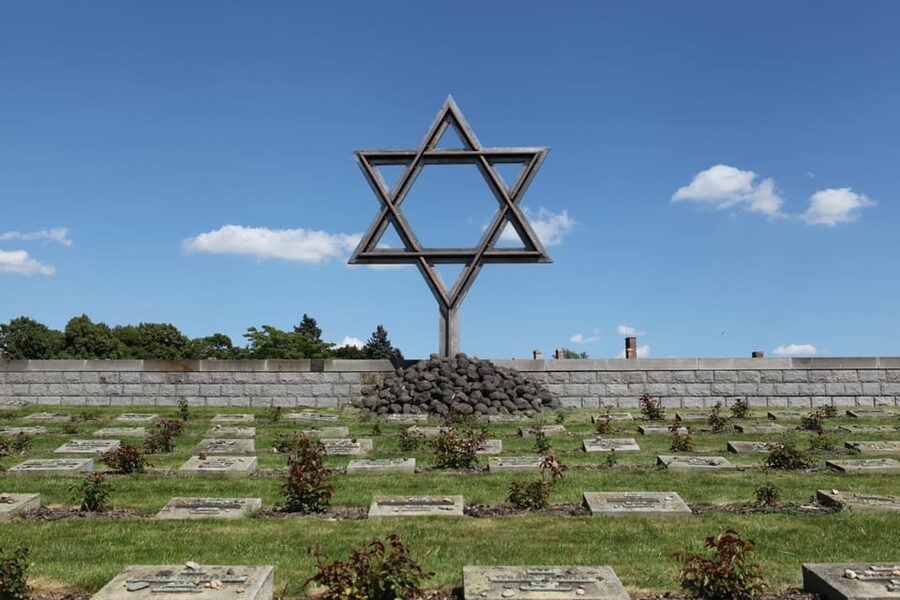
Terezín has a double role in the Nazi story, and this tour makes sure you’re not missing it. The guides explain that Terezín served both the Nazi “Final Solution” machinery and Nazi propaganda efforts meant to conceal the Holocaust.
So you’re not only learning what the prisoners endured. You’re also learning about deception—how the regime tried to shape what outsiders would see.
A few concrete examples discussed in the tour description include the visit of the Red Cross and how Terezín was presented in a controlled, curated way. You’ll also hear about the town’s history before the WWII prison period, including its time as a Habsburg Empire garrison town. That pre-war context matters. It shows that the physical place existed long before the Nazis turned it into a tool of terror and disguise.
Friedl Dicker-Brandeis and her children’s paintings are another major “hidden traces” element. Those works are powerful because they connect art to witness. The meaning isn’t just cultural; it’s evidence that life continued in some form, even as the system tried to deny the future.
What the Most Praised Guides Do Right (and What You Should Look For)
Across the feedback, one pattern shows up: guides often get praised for making this heavy subject easier to follow without disrespecting it. Names that appear often include Phillip (paired with Thomas), Petra, Adam, Micha/Misha, Mischa, Lija, and Givi. When guides like these lead the day, you tend to get a few things right:
- They pace stops so you’re not rushing through trauma sites.
- They connect each location to the larger WWII plan, not just isolated facts.
- They handle questions without turning the experience into a debate.
You can also tell the guides care about tone. Multiple mentions emphasize that the tour is somber and that guides keep a respectful approach. That’s exactly what you want here.
One more practical point: several reviews mention the need for packed food and sensible shoes. The walking is a real part of the “experience,” so even if your guide is excellent, you’ll feel the day more if you show up unprepared.
Price and Value: What You’re Paying For (and What Makes It Worth It)
The price shown is $1,354 per group up to 7 for a 7-hour tour. That can sound steep until you factor in what you’re actually buying.
You’re paying for:
- A live English guide through multiple distinct locations
- Round-trip transportation from Prague via train or minibus (depending on your option)
- Museum and site time that’s organized so you don’t waste your precious hours figuring things out on your own
- A tour design focused on the Czech-Jewish story and the specific Terezín sites, like the Ghetto Museum and Magdeburg Barracks
If you’re traveling with friends or family, grouping up can make it feel more realistic quickly. A private group also tends to matter on a day like this. You can keep a steady pace that works for your group, and you’re less likely to get bounced around by a large crowd.
That said, the “value” depends on your priorities:
- If you want the deepest guide-led historical framing, this format can be worth it.
- If you only want quick monument photos and you’re not interested in museum context, you might not need this specific guided structure.
Logistics That Affect Your Comfort (Walking, Food, and Where You Meet)
There’s no sugarcoating it: this is a long, walking-forward day in a place where you’ll want to slow down. Even if you choose an option that minimizes walking, you should still assume you’ll be standing and moving through multiple stops.
Bring this so the day goes smoothly
The recommended packing list is smart: comfortable shoes, water, sunscreen, comfortable clothes, and a packed lunch. Lunch is not included, and there are not many places to purchase food, so plan to eat before you get hungry in the middle of the schedule.
Where you meet
Meet your guide at the Discover Prague Tours office, inside the passageway, first office on the right. Getting this wrong at the start can waste time you don’t want to lose on a 7-hour plan.
Heat and pacing
On hot days, you’ll feel the walking more. If you’re visiting in warmer months, I’d treat this as a “summer hike day” even though the topic is far from hiking.
Who Should Book This Tour—and Who Might Want to Skip It
This is best for you if:
- You want guided context for the ghetto and camp sites, not just a self-guided walkthrough
- You care about Czech-Jewish WWII history and how Terezín fits into the Nazi system
- You’re comfortable with a serious, somber day and you want to leave understanding more than before
Consider skipping if:
- You struggle with long days and lots of walking
- You expect a light sightseeing pace
- You’re not willing to bring lunch and water and handle limited food options
If you’re visiting Prague for the first time and you’re eager to add a focused historical stop, this is a strong choice—just go in with the right expectations. This is about remembrance and learning, not entertainment.
Should You Book the Prague to Terezín Day Tour?
I’d book this tour if you want a guided, site-by-site understanding of Terezín, including the ghetto, the Gestapo prison, and museum evidence like the children’s artwork tied to Friedl Dicker-Brandeis. The best part is the way the day connects physical locations to the broader WWII story and the prisoners’ attempts to keep culture and community alive.
Do it only if you can handle a long, walking-heavy schedule and you’ll bring a packed lunch. If you go prepared, you’ll get a full, guided experience that’s hard to replicate on your own—and exactly the kind of respectful learning that leaves you with something real to carry forward.
FAQ
How long is the Terezín concentration camp day tour from Prague?
The tour lasts about 7 hours.
What language is the guide?
The live guide is English.
Is lunch included?
No. Lunch is not included, and there are not many places to purchase food, so it’s best to bring your own packed lunch.
How do I get from Prague to Terezín?
You’ll travel round-trip by public train or by private minibus, depending on the option you select.
Where is the meeting point in Prague?
Meet at the office of Discover Prague Tours, inside the passageway, the first office on the right.
What should I bring for the day?
Bring comfortable shoes, a camera, sunscreen, water, comfortable clothes, and a packed lunch.
Is there a live guide and is it a private group?
Yes, it’s a live tour with an English guide, and it’s listed as a private group.
More Tours in Prague

More Tour Reviews in Prague


More Terezin Memorial Trips
More Prague tours we have written up lately



Terezín Memorial Day Trips, compared.
 ★ 4.6From Prague: Terezin Concentration Camp Guided Tour w/ AudioFrom $692,248 reviews
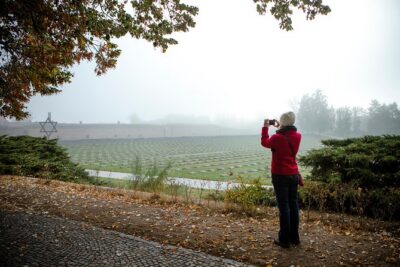 ★ 4.0Terezin Concentration Camp Day Tour from PragueFrom $781,007 reviews
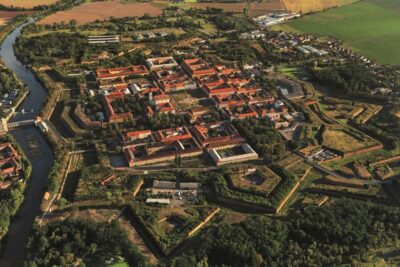 ★ 4.3From Prague: Terezín and Ghetto Museum Guided TourFrom $86571 reviews
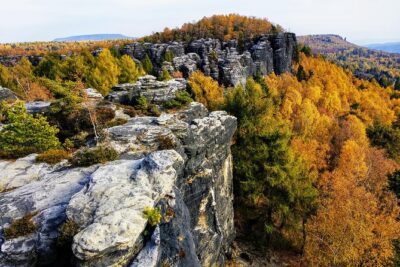 ★ 5.0Terezin & Bohemian Switzerland from Prague: Bastei, Narnia & CaféFrom $145445 reviews
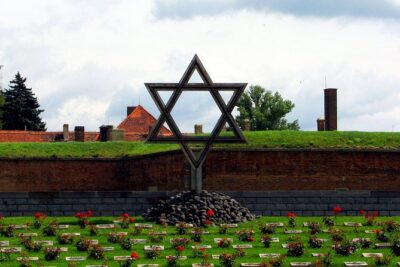 ★ 4.5From Prague: Terezin Concentration Camp & Memorial TourFrom $57310 reviews
 ★ 4.5Terezin Concentration Camp Day Tour Including Admission From PragueFrom $96179 reviews
 ★ 5.0Terezin In-Depth Holocaust Tour From Prague’s Center (max 7 pax)From $145170 reviews
 ★ 4.5Bus Tour to Terezín from PragueFrom $64150 reviews
Browse the lists this tour appears in