
REVIEW · PRAGUE MUSEUMS & GALLERIES
IAM Illusion Art Museum Entry Ticket
Your phone becomes part of the art. At IAM Illusion Art Museum Prague, I love the photo-ready optical illusions and the QR-code plus augmented reality interactions that turn a quick visit into a full-on visual puzzle. It’s built for all ages, but it still feels smart.
The main thing to consider is that it’s small and can get crowded at peak times, which matters if you want clear shots without shoulder-checking strangers.
In This Review
- Key things to know before you go
- IAM Illusion Art Museum Prague: a small museum with big brain tricks
- What you’ll see: anamorphoses, reverse perspective, and “wait, what?”
- Anamorphoses and angle-based 3D effects
- Reverse perspectives that change what depth feels like
- Optical relief and distorted 3D paintings
- Lenticular and stereoscopic image tricks
- Your practical route: QR codes, augmented reality, and the mini cinema
- Start with the museum’s prompts
- Use your smartphone, not just your eyes
- Look for the mini cinema moment
- The artist lineup: the names to watch for (and what each style does)
- Czech history inside the illusion: why it feels more than a photo stop
- Timing, crowds, and how long you should plan
- A realistic pacing plan
- Price and value: is $16 worth it?
- Photo tips that make the illusion actually show up
- Bring the right gear
- Plan for position, not just timing
- Ask for help if you’re stuck
- When it gets busy, switch tactics
- Who should book IAM Illusion Art Museum Prague?
- Should you book IAM Illusion Art Museum Prague?
- FAQ
- How long does the IAM Illusion Art Museum Prague visit take?
- How much is the ticket and what’s included?
- Do I need a smartphone or camera?
- Is there an audio guide?
- Is the museum wheelchair accessible?
- Can I bring pets?
Key things to know before you go
- AR and QR-code effects let you change what you see using your phone and the museum’s prompts.
- Anamorphoses and reverse perspective make flat images look 3D from the right angle.
- Staff help with setup and photos, so even if you’re not naturally “pose-y,” you’ll get good results.
- A themed art mix runs from classic illusion tricks to newer lenticular and optical-relief work.
- Czech history is part of the story, including illusory portrayals tied to major figures and events.
- Plan 60–90 minutes, but you can go shorter or longer depending on how much you stop for photos.
Rainy afternoon covered. More Prague museums and galleries.
- Prague: Klementinum Library & Astronomical Tower Guided Tour★ 4.5 · 5,050 reviews
- Prague: Museum of Fantastic Illusions Entry Ticket★ 4.3 · 4,337 reviews
- Prague: Petřín Tower and Mirror Maze Entry Ticket★ 4.3 · 2,294 reviews
- IAM Illusion Art Museum Entry Ticket★ 4.2 · 1,664 reviews
IAM Illusion Art Museum Prague: a small museum with big brain tricks
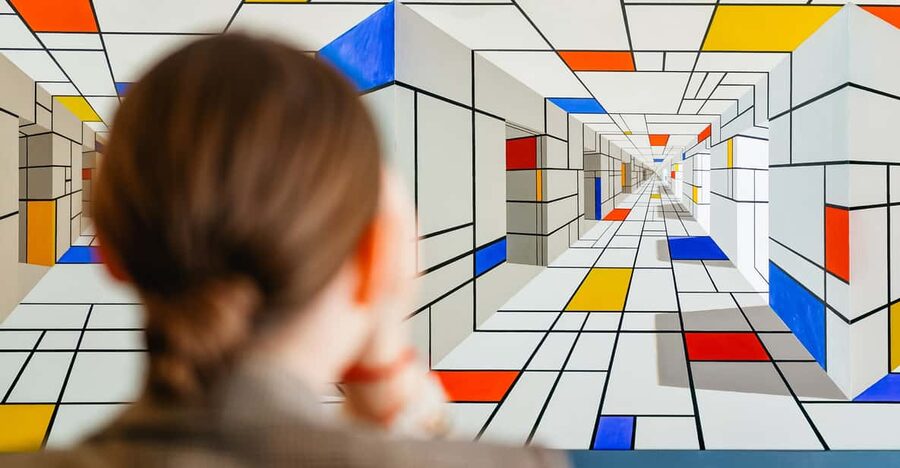
IAM Illusion Art Museum Prague is one of those places where you enter thinking you’ll look at art, then you realize you’re actively participating. The whole setup is designed around perception: the museum shows you images and objects, then gives you the angle, light, or camera trick that makes your eyes reconsider what’s real.
For me, the best part is that the museum doesn’t treat optical illusions like a gimmick. It treats them like a serious art form. You’ll see work connected to specific artists and specific techniques, and you’ll also get the practical meaning of it: illusion art is about how we interpret shapes, depth, and perspective.
The ticket price is also refreshingly straightforward. At $16 per person, you’re paying for a focused, one-session experience rather than a long museum day that burns your feet and your schedule. Just keep in mind the size. This is not a half-day you can stretch forever, and it can feel tight when it’s busy.
What you’ll see: anamorphoses, reverse perspective, and “wait, what?”
The museum’s core joy is technique. Each room feels like a different way to trick your brain, and the transitions are easy to follow. If you like optical puzzles, you’ll have fun even before you fully understand what each installation is doing.
Here are the illusion types you can expect to encounter and how they work:
Anamorphoses and angle-based 3D effects
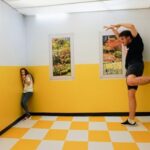
Anamorphoses are the classic “it looks wrong until you move” style of art. You’ll find 3D anamorphic creations that turn a distorted scene into something recognizable when you stand at the correct spot.
This matters for your photo strategy. If you want the full effect in pictures, you’ll need to get into position, not just point your camera and hope.
Reverse perspectives that change what depth feels like
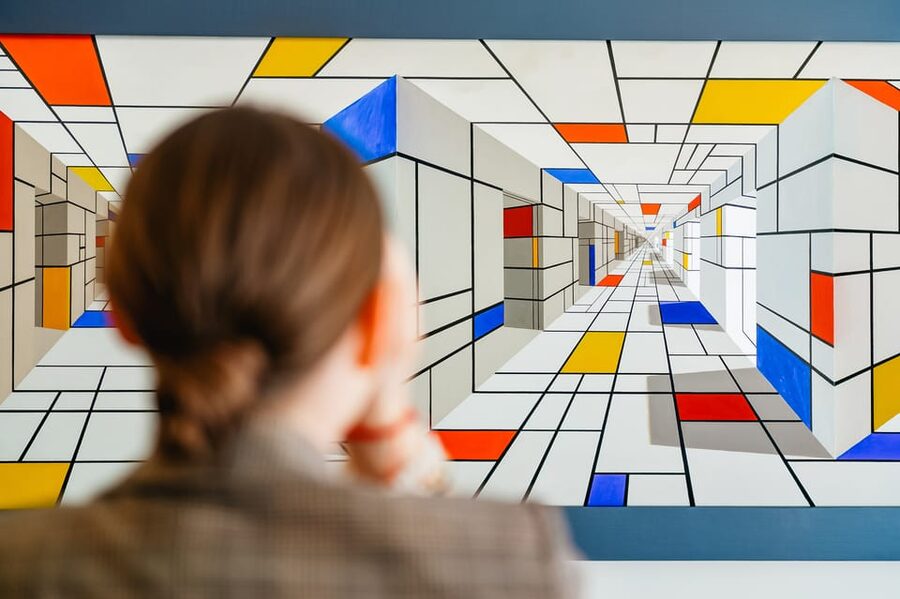
A big name here is Patrick Hughes, known for reverse perspective paintings. In plain terms: the artwork flips the normal rules of depth, so the scene can look like it’s expanding in the wrong direction. Once you get the right viewpoint, the illusion snaps into place.
Skip the queue. More entry tickets and passes for Prague.


Optical relief and distorted 3D paintings
You’ll also come across optical reliefs and distorted 3D pieces, including work by artists such as Ivana Štenclová, Zdeněk Daňek, and Jan Jírovec. These pieces lean into how shadows, contrast, and the viewer’s brain create the sense of depth.
If you usually walk past art quickly, slow down here. Stand at different distances. The effect can change as you move.
Lenticular and stereoscopic image tricks
Later, look for morphing, lens-like visuals and stereoscopic photos tied to adventurers Zikmund and Hanzelka. Lenticular images can shift as your viewing angle changes, so you’re not just seeing a picture. You’re watching it behave.
Your practical route: QR codes, augmented reality, and the mini cinema
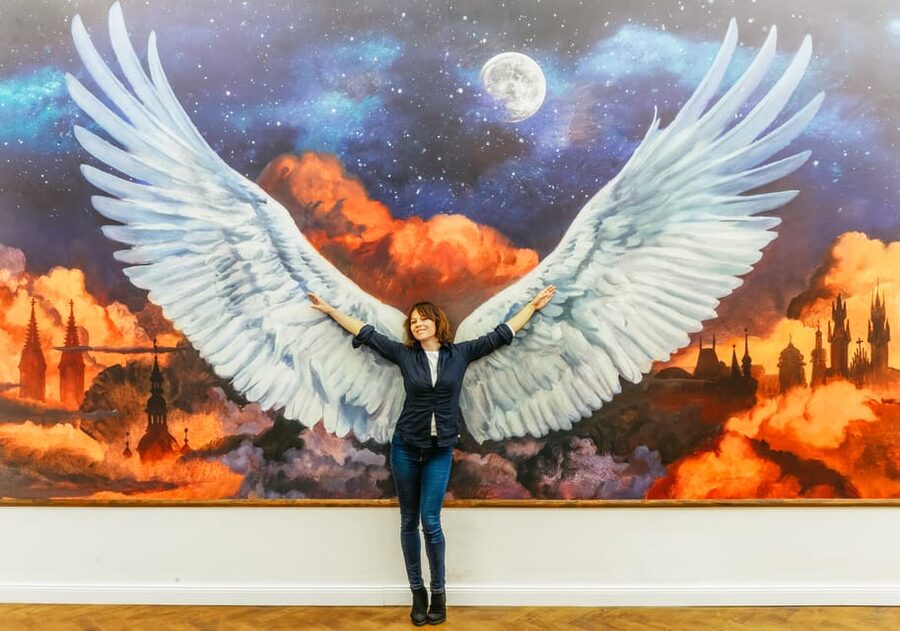
You don’t need a formal guided tour to enjoy IAM. The flow is built around interacting with the installations. A key part of the experience is the way the museum uses your devices without making you feel techy.
Start with the museum’s prompts
As you move through the galleries, you’ll notice QR-code prompts and interactive setups. The staff can walk you through how to use them, and that makes a real difference. One clear theme from the visitor experience is that getting the QR code working correctly leads to better photo results.
If you’re the person who hates fumbling with apps while everyone waits, you’re in luck. Staff like Adam and Tomasz have been specifically helpful with setup and taking photos for people.
Use your smartphone, not just your eyes
You’ll want a charged smartphone because the museum includes augmented reality elements. The goal isn’t to replace the art. It’s to add another layer so the illusion becomes a bigger stage.
You’ll also likely run into experiences that encourage you to use your camera in a particular way. Some installations involve effects that show up through the phone lens, which can feel like you’re producing the illusion yourself.
Look for the mini cinema moment
The museum also includes a mini cinema component. It’s not the kind of feature you watch like a movie theater. It’s more like a short, focused break that fits the overall illusion theme.
That’s useful if you’re visiting with kids, teens, or anyone who needs a quick change of pace between photo-heavy rooms.
The artist lineup: the names to watch for (and what each style does)
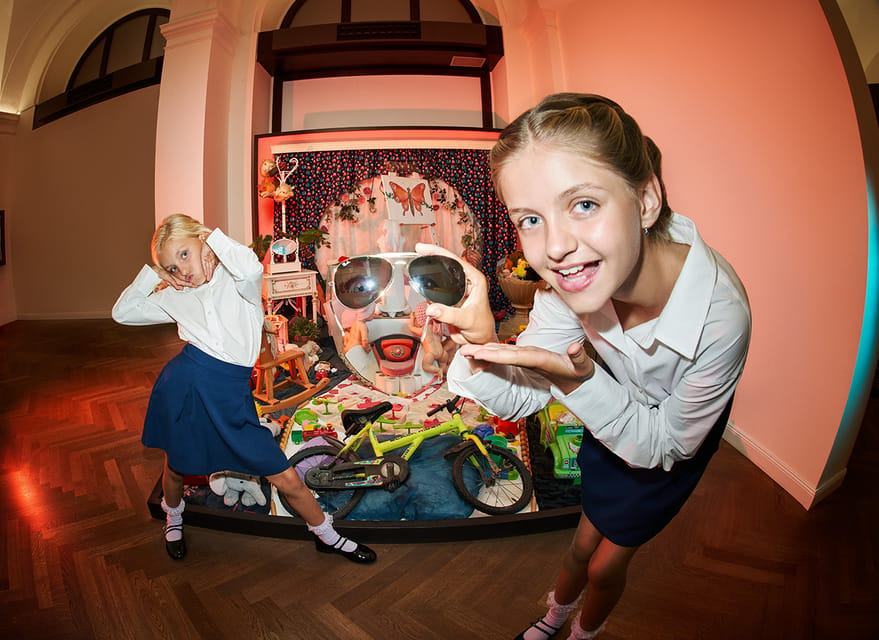
One reason this museum feels worth your time is that it gives you more than generic optical illusions. You’re shown work that can be traced to specific artists and techniques. That gives you a way to remember what you saw.
As you wander, keep an eye out for these standout names and what they’re known for:
- Patrick Hughes: reverse perspective works that change depth cues and can look like scenes are expanding toward you.
- Patrik Proško: anamorphic 3D creations that reward you for finding the right viewing spot.
- Ladislav Vlna: original metallurgical paintings, where the materials add a special texture to the illusion effects.
- Ivana Štenclová: optical reliefs that play with how we read shape and shadow.
- Zdeněk Daňek and Jan Jírovec: distorted 3D painting effects that look different as you shift position.
- David Strauzz: morphing lenticular images that appear to change as your angle changes.
- Zikmund and Hanzelka: stereoscopic adventure photos that connect illusion art to real-world exploration stories.
You do not have to memorize all of that. But if you glance at labels and take one extra minute per room, you’ll leave with a clearer sense of what makes each style different.
Czech history inside the illusion: why it feels more than a photo stop
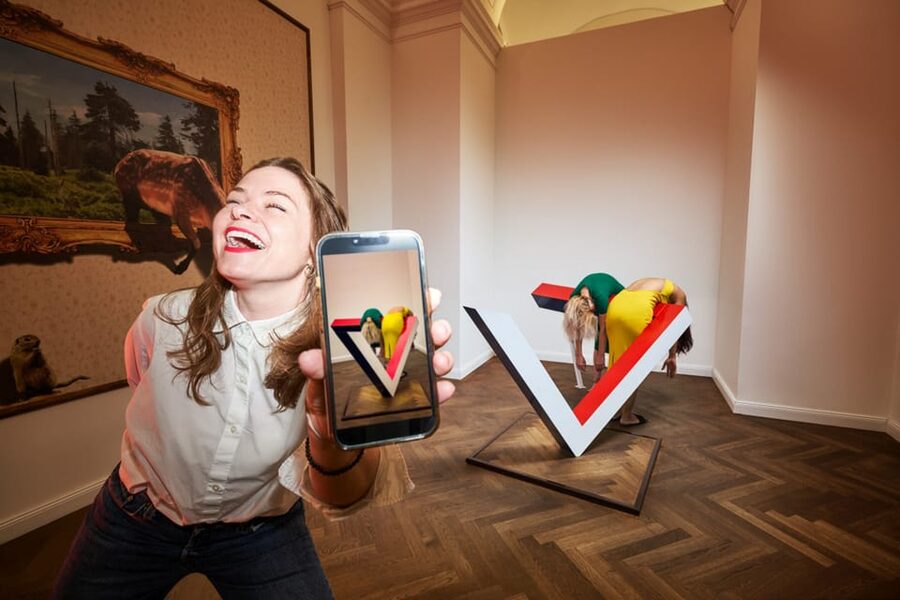
The museum doesn’t only entertain. It also teaches—through illusion art tied to Czech themes. This is a big part of why the experience feels “complete” instead of purely performance-based.
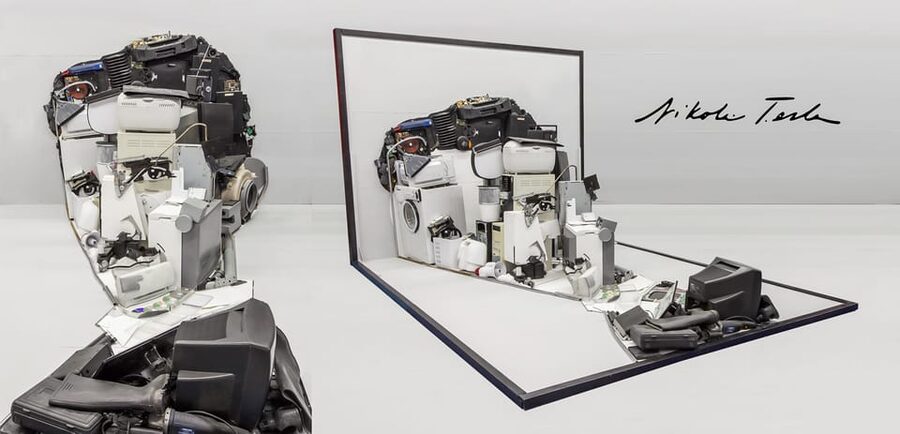
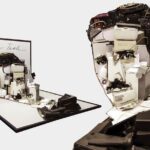
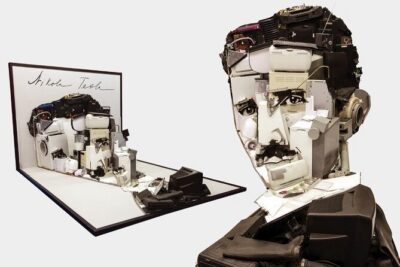
You’ll find illusory portrayals linked to Czech history, including references to the Swedish siege of Prague and the fall of the Bohemian monarchy. The museum also connects illusion art to iconic Czech and Czech-connected figures such as St. Agnes of Bohemia, Bedřich Smetana, and Nikola Tesla.
There are also illusory portrayals tied to major historical and cultural names like Charles IV, Franz Kafka, and Václav Havel.
Why this matters for you: it turns the visit from a quick “look, take photo” loop into something that adds context. You start to see illusion art as a storytelling tool, not just a trick. That makes the museum more satisfying, especially if you’re already spending time around Prague’s historic sights.
Timing, crowds, and how long you should plan
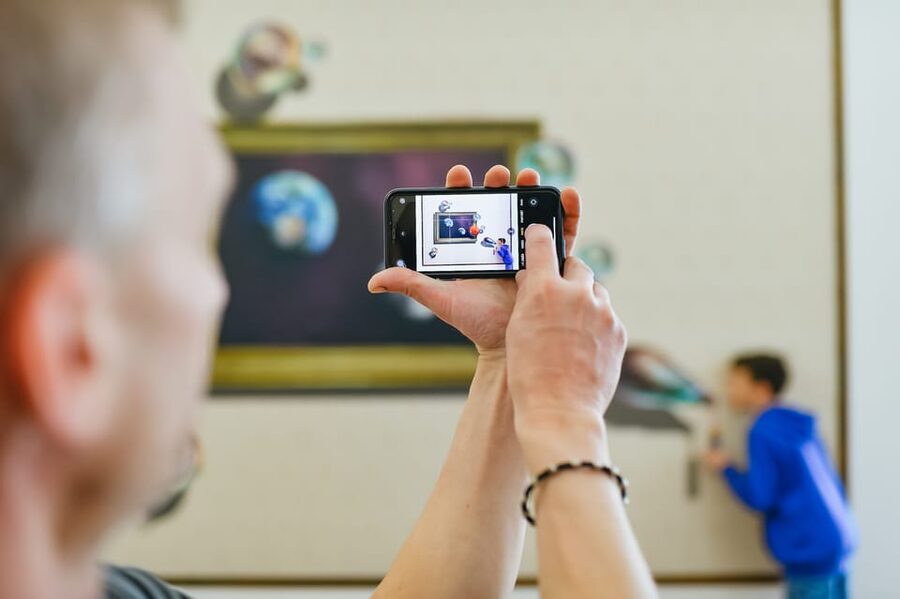
Most visits feel short, and that’s not a negative here. Reviews point to a 60–90 minute visit as a common pace, with some people moving through faster when they’re focused on the photo ops.
Because the museum is small, crowding becomes a factor. Some rooms can get tight when everyone is trying to stand in the same exact spot for the same effect. If you want your best shots, you’ll appreciate the fact that staff are around and helpful, but you should also expect occasional waiting.
The museum can also feel warm. One visitor specifically noted no air conditioning, so on hot days it may feel a bit stuffy. If you’re sensitive to heat, plan accordingly.
A realistic pacing plan
You don’t need a stopwatch. But you can structure your time like this:
- Spend extra time at installations where the illusion depends on angle and positioning.
- Use staff help early if you’re unsure about QR-code or app steps.
- Save a final pass for the pieces you want to photograph again once you’ve learned where to stand.
Price and value: is $16 worth it?
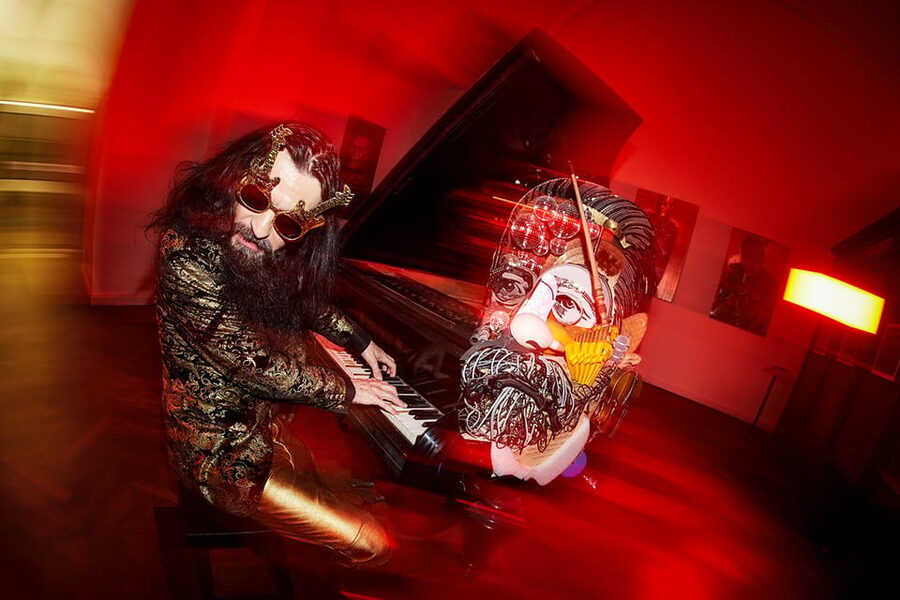
At $16 per person for the museum ticket, the value comes from three things:
- Interactivity that changes what you see, not just a room of static displays.
- A technique-based art mix, including recognizable names tied to real illusion methods.
- A built-in photo focus that encourages you to create memories you can actually share.
You don’t have to add anything else to make the experience work. The ticket covers entry. Food and drinks are not included, so you’ll want to plan a snack stop elsewhere if you’re staying longer or visiting with kids.
If you’re comparing to bigger museums, IAM is cheaper and shorter. If you’re comparing to other “rainy day” activities in central Prague, the price feels fair because you’re getting both fun and context.
Just be honest with yourself: if you hate crowds and you want a lot of space to move freely, this is the one potential mismatch.
Photo tips that make the illusion actually show up
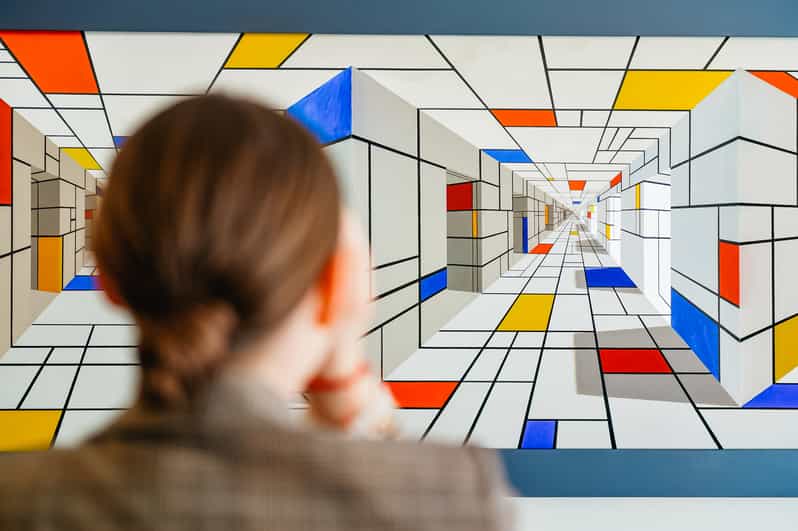
If you want your pictures to look like the installation you saw, treat this like a mini photo shoot, not a casual snapshot.
Bring the right gear
You’re told to bring:
- a camera
- a charged smartphone
Even if your phone is your main camera, bring it charged so you can handle QR codes and AR effects without battery anxiety.
Plan for position, not just timing
A lot of these illusions depend on viewpoint. That means your body matters in the frame. If you have to “hover” to find the best spot, do it. It’s normal here.
Ask for help if you’re stuck
One of the most praised parts of the experience is staff assistance with taking photos and with the QR-code setup. If you want a clean result, it’s worth using them. Staff have offered help with both positioning and camera angles, which can save you time and frustration.
When it gets busy, switch tactics
Crowds can make photo-taking harder because everyone wants the same exact angle. When that happens, take your time with the parts that work from multiple viewpoints, then come back to the strict ones when there’s a gap.
Who should book IAM Illusion Art Museum Prague?
This museum fits best when you want a hands-on, short, memorable activity in the center of Prague.
You’ll likely enjoy it if:
- you like optical illusions and want to see different techniques in one place
- you enjoy taking photos, especially camera-and-angle based effects
- you’re traveling with kids or teens who like interactive experiences
- you want something lighter than a full-day museum while still learning context
It may not be the best match if:
- you need wheelchair accessibility, because it is not suitable for wheelchair users
- you dislike small spaces and can’t handle crowding while people wait for the best photo spot
- you’re looking for a huge museum with lots of separate wings and long walking routes
Should you book IAM Illusion Art Museum Prague?
If your schedule allows a short, fun stop, I’d book it. The combination is the selling point: interactive illusions + Czech-themed storytelling + AR and QR-code effects in a compact layout.
At $16, it’s also a low-risk choice. You’re paying for a focused session, not a slow marathon. Just go in with realistic expectations: plan on about 60–90 minutes, accept that some areas can feel busy, and bring a charged phone so you get the full tech-based layers.
If you want one clever break from Prague’s streets—especially if the weather turns—this is an easy yes.
FAQ
How long does the IAM Illusion Art Museum Prague visit take?
You can expect about 60–90 minutes for the experience. The museum is small, so it may feel quicker or longer depending on how long you spend on photo setups.
How much is the ticket and what’s included?
The entry ticket is $16 per person. Your ticket includes museum entry, and food and drinks are not included.
Do I need a smartphone or camera?
Yes. You’re advised to bring a camera and a charged smartphone, since the museum includes QR-code interactions and augmented reality features that use your phone camera.
Is there an audio guide?
Yes, an audio guide is included. The guide is available in multiple languages including English, Czech, and many others listed for the experience.
Is the museum wheelchair accessible?
No. The experience is not suitable for wheelchair users.
Can I bring pets?
Pets are not allowed. Assistance dogs are allowed.
More Tour Reviews in Prague



More Prague Tickets & Passes
More Prague Museums & Galleries


More Prague tours we have written up lately

Prague Museums & Galleries, compared.
 ★ 4.5Klementinum Library & Astronomical Tower Guided TourFrom $185,050 reviews
 ★ 4.3Museum of Fantastic Illusions Entry TicketFrom $174,337 reviews
 ★ 4.3Petřín Tower and Mirror Maze Entry TicketFrom $142,294 reviews
 ★ 4.0Museum of Senses Admission TicketFrom $181,445 reviews
 ★ 5.0IAM Illusion Art Museum Prague Fast Pass TicketFrom $13957 reviews
 ★ 4.5Admission Ticket to Museum of Senses in PragueFrom $19861 reviews
 ★ 4.2Museum of Bricks Entry TicketFrom $14851 reviews
 ★ 4.4Ticket to Audiovisual Light Art at Lumia GalleryFrom $17607 reviews
Browse the lists this tour appears in