
A guide can change how you see Terezin. This semi-private visit to the Terezin/Theresienstadt memorial brings you into the Small Fortress and the former Jewish ghetto, with Holocaust historian Jiri Kluc explaining what the Nazis tried to hide. It is a serious, fact-based route through places where history is written into stone, walls, and silence.
I love the small group feel—maximum 6 travelers—because you can ask questions and actually follow the thread of the story. I also love the way the tour hits specific, less typical stops like the hidden Prayer Room, the National Cemetery, and the remains of the railway to the Ghetto. It turns a memorial visit into a guided walk with context, not just photos.
One consideration: you should go ready for hard material and a 4–5 hour outing that depends on weather, so plan on steady walking and being mentally present.
In This Review
- Key highlights that make this Terezin tour worth it
- Terezin/Theresienstadt: More Than a Czech Memorial
- Semi-private max 6: Why the group size matters
- Starting at the Terezin Memorial: Getting oriented fast
- The Small Fortress: Gestapo prison and political prisoners
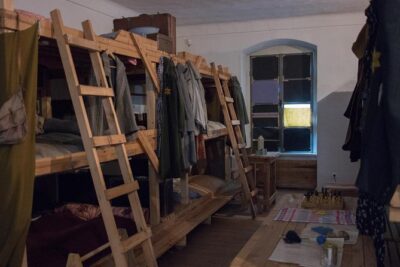
- The Jewish ghetto: context for suffering and scale
- Hidden Prayer Room, National Cemetery, and the railway remains
- Timing, comfort, and getting there from Prague
- Price and value: What $116.15 buys you here
- Who this tour suits best (and what to consider)
- Should you book this Terezin concentration camp tour?
- FAQ
- How long is the Terezin Concentration Camp tour?
- Is the admission ticket included?
- What does the tour include besides the guide?
- How large is the group?
- Where does the tour start and end?
- Does the tour run in any weather?
- What is the cancellation policy?
Key highlights that make this Terezin tour worth it
- Holocaust historian Jiri Kluc brings the story forward with a respectful, survivor-minded approach
- Small group (max 6 travelers) keeps the pace human and question-friendly
- Small Fortress focus on the Gestapo prison for political prisoners
- Jewish ghetto context tied to the scale of suffering, including over 35,000 perished
- Hidden stops like the hidden Prayer Room, National Cemetery, and railway remains
- Included admission and comfort extras (ticket, bottled water, and an air-conditioned vehicle)
A sobering hour north. More Terezin memorial visits.
- Terezin Concentration Camp Day Tour from Prague★ 4.0 · 1,007 reviews
- From Prague: Terezín and Ghetto Museum Guided Tour★ 4.3 · 571 reviews
- Terezin & Bohemian Switzerland from Prague: Bastei, Narnia & Café★ 5.0 · 445 reviews
- From Prague: Terezin Concentration Camp & Memorial Tour★ 4.5 · 310 reviews
Terezin/Theresienstadt: More Than a Czech Memorial
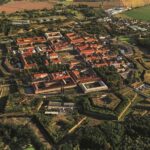
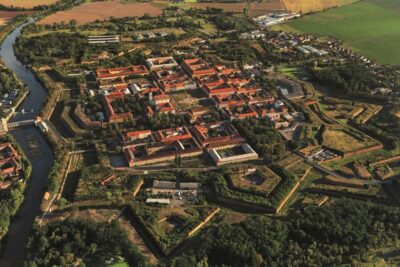
Terezin, also called Theresienstadt, sits in today’s Czech Republic and was one of the Nazis’ major concentration camp sites in the region. What makes it especially important is that it is not just one building or one area. It is a whole landscape of imprisonment, propaganda, and loss that you can still trace through separate parts of the site.
This tour frames Terezin as a place where people tried to endure, while the machinery of Nazi control kept tightening. You’ll see both big-picture and close-up elements, including the Small Fortress and the memorial’s museum areas. You are not meant to treat it like a history stop you can race through.
And here’s the thing: Terezin often feels more understandable when the guide connects sites together. When you move from one area to another with clear context, you start to see how the camp functioned as a system, not random tragedy in scattered locations.
Semi-private max 6: Why the group size matters
A tour like this lives or dies on communication. With a maximum of 6 travelers, you get something you rarely get on bigger group tours: space to ask follow-ups without the guide feeling forced to sprint ahead.
That smaller number also affects how you pace yourself mentally. In a memorial setting, you might need a moment to process what you just learned, then rejoin the route when you’re ready. A small group usually makes that possible.
I also like that the experience is designed as semi private rather than a strict solo or strict group. It’s a middle ground that tends to work well if you care about understanding how the story connects—especially when the guide is a Holocaust historian and not just a general guide.
Starting at the Terezin Memorial: Getting oriented fast
The tour begins at the Terezin memorial area, and admission is included in the price. That matters more than it sounds. It means you start with less friction and more time focused on the actual site.
The memorial route includes the Small and Big Fortress, plus museum time and “hidden locations,” guided by historian Jiri Kluc. Even if you’ve read about Terezin before, the value here is seeing how different spaces relate—prison spaces versus communal spaces, and the parts that help explain what the Nazis did and how people lived under that pressure.
A practical note: wear shoes that can handle uneven ground. This is a walking experience with emotional weight. When you’re going to be outside for part of it, weather matters too.
The Small Fortress: Gestapo prison and political prisoners
The Small Fortress is described as a Gestapo prison for political prisoners, and that focus shapes the whole visit. This is where the story becomes sharper and more direct: walls, confinement, and the role of interrogation and detention under Nazi authority.
When you visit this kind of site, you need a guide who can keep the tone accurate and the explanations clear. Jiri Kluc is presented as both a local expert and a Holocaust historian, and that combination helps you connect what you see on the ground to the broader historical context of Nazi repression.
The strength of this stop is how it changes your perception. Instead of treating Terezin as a single label, you start recognizing categories of imprisonment and control. The Small Fortress helps explain that the camp system wasn’t only about one group or one purpose—it was a structured response to the Nazis’ targets.
More private, guide-to-yourself outings in Prague.




The Jewish ghetto: context for suffering and scale
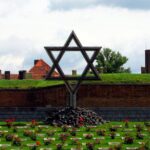
From there, the tour moves toward the story of the Jewish ghetto. This part is not vague. You’ll learn about the ghetto area and its devastating human cost, including that over 35,000 people perished.
That number should land with full weight, but the guide’s job is to keep it grounded in places you can actually stand in. The tour design includes specific ghetto-related remains, so you’re not just listening to history. You are seeing the kind of physical traces that make history feel real.
One reason this matters for you: understanding Terezin properly is about more than facts. It’s about learning how the camp reshaped daily life—where people were forced to live, how movement was restricted, and how everything around them was controlled. When the guide ties those ideas to the route, the memorial stops being abstract.
It can also be emotionally confronting. That’s not a drawback of the tour; it’s the subject. Just be aware that this section asks you to take in tragedy without rushing past it.
Hidden Prayer Room, National Cemetery, and the railway remains
This is where the tour feels most “special” in a practical sense—not because it is flashy, but because it adds depth to what you might otherwise miss.
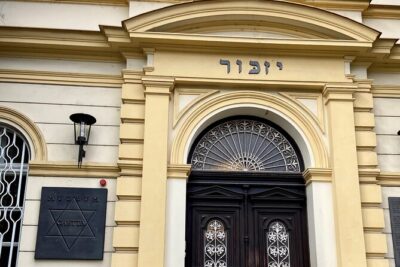
You’ll visit the hidden Prayer Room, which is exactly the sort of place that helps explain resilience and identity under persecution. It also gives you a different angle on the camp story. You stop thinking only about punishment and start seeing how religious and cultural life tried to persist even when everything else was stripped away.
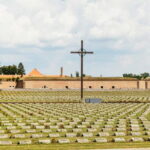
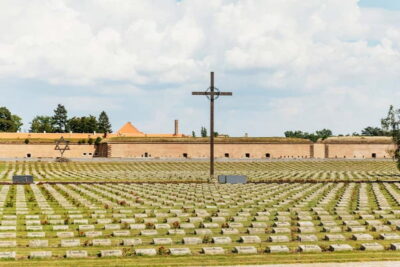
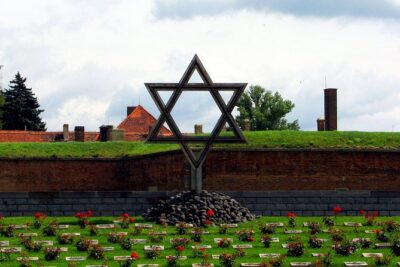
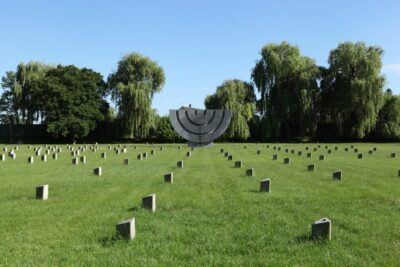
Next comes the National Cemetery. In many memorials, cemeteries are where the experience becomes quiet and personal. The guided context helps you understand why that space is part of the narrative, not a side stop.
Then there are the remains of the railway to the Ghetto. Even if the physical remnants are not dramatic like a fully preserved structure, they carry a heavy message: movement into the ghetto and the constraints on where people could go. Standing near what’s left of the rail line turns a historical process into something visual and concrete.
If you like tours where the guide points out “how to look,” this itinerary style will suit you. It’s not only walking; it’s learning what to notice at each stop.
Timing, comfort, and getting there from Prague
The tour runs about 4 to 5 hours. That length is long enough for real orientation and explanation, but short enough that you can still enjoy the rest of your day in Prague afterward.
You’ll travel in an air-conditioned vehicle, and bottled water is included. That may sound like a small detail, but for a walking-focused memorial visit, it helps you stay present. It’s also a nice touch in warmer or busier seasons when you don’t want to worry about refreshments.
The meeting point is at Ládví, 182 00 Prague-Prague 8, and the tour ends back there. It’s also described as near public transportation, which is useful if you don’t want to rely solely on taxis.
One more practical tip: because the experience requires good weather, have a flexible mindset. Even if your plans are solid, Prague weather can be unpredictable. Dress in layers, and plan for more time outside if conditions allow.
Price and value: What $116.15 buys you here
At $116.15 per person, this tour isn’t a bargain-basement option. But it also isn’t “just a ticket and a map,” because several core costs are already handled.
Admission to the Terezin memorial is included, along with entrance ticket coverage. You also get a driver/guide, bottled water, all fees and taxes, and an air-conditioned vehicle. For many travelers, the hidden expense of memorial tours is what you don’t see—transport time, ticket lines, and the cost of a proper guide who can explain the differences between site sections.
The big value driver is the guide’s expertise. This is led by historian Jiri Kluc, and the tour is built around hidden locations and specific stops like the Prayer Room and cemetery. Those added points usually cost extra in time and effort, and they can be the difference between visiting Terezin like a checklist and understanding it as a connected place.
You’re paying partly for expertise, partly for logistics, and partly for a smaller group size that makes the experience more manageable.
Who this tour suits best (and what to consider)
This is a strong fit if you:
- want a guided route that connects the Small Fortress, ghetto story, and memorial spaces
- value a guide who can answer questions and maintain a respectful tone
- prefer a max 6 group over large crowds
- care about specific, lesser-noticed sites like the hidden Prayer Room and railway remains
You might want to think twice if you’re looking for a quick overview or you get overwhelmed easily by intense topics. This isn’t a light history stop. It asks for mental stamina, and the pacing is built for understanding.
Also, most travelers can participate, but plan for walking and time outdoors when weather is good.
Should you book this Terezin concentration camp tour?
Yes, I’d book it if you want the kind of Terezin visit that actually teaches you how the site works. The combination of a small group, a Holocaust historian guide (Jiri Kluc), included admission, and targeted stops like the Prayer Room, National Cemetery, and railway remains makes this a smart way to avoid shallow “see-and-go” history.
If you’re torn between doing Terezin on your own versus with guidance, this is one of those cases where a strong guide changes everything. Terezin is large enough to confuse without context, and heavy enough that you deserve clarity and care in how the story is told.
If you can only do one guided visit to the memorial, this semi-private format is a solid choice.
FAQ
How long is the Terezin Concentration Camp tour?
It runs about 4 to 5 hours.
Is the admission ticket included?
Yes. The entrance ticket to the Terezin memorial is included in the price.
What does the tour include besides the guide?
The tour includes bottled water, an air-conditioned vehicle, all fees and taxes, and a driver/guide.
How large is the group?
This is a semi-private experience with a maximum of 6 travelers.
Where does the tour start and end?
The start is at Ládví, 182 00 Prague-Prague 8, and the activity ends back at the meeting point.
Does the tour run in any weather?
The experience requires good weather. If it’s canceled due to poor weather, you’ll be offered a different date or a full refund.
What is the cancellation policy?
You can cancel up to 24 hours in advance for a full refund. If you cancel less than 24 hours before the start time, the amount paid is not refunded.
If you want, tell me your travel dates and whether you’d rather do Terezin early or late in the day, and I’ll suggest a practical way to fit the 4–5 hours into your Prague schedule.
More Prague Private Tours
More Tour Reviews in Prague




More Terezin Memorial Trips

More Prague tours we have written up lately



Terezín Memorial Day Trips, compared.
 ★ 4.6From Prague: Terezin Concentration Camp Guided Tour w/ AudioFrom $692,248 reviews
 ★ 4.0Terezin Concentration Camp Day Tour from PragueFrom $781,007 reviews
 ★ 4.3From Prague: Terezín and Ghetto Museum Guided TourFrom $86571 reviews
 ★ 5.0Terezin & Bohemian Switzerland from Prague: Bastei, Narnia & CaféFrom $145445 reviews
 ★ 4.5From Prague: Terezin Concentration Camp & Memorial TourFrom $57310 reviews
 ★ 4.7From Prague: Terezín Concentration Camp Day TourFrom $1,354246 reviews
 ★ 4.5Terezin Concentration Camp Day Tour Including Admission From PragueFrom $96179 reviews
 ★ 5.0Terezin In-Depth Holocaust Tour From Prague’s Center (max 7 pax)From $145170 reviews
Browse the lists this tour appears in