
REVIEW · TEREZíN MEMORIAL DAY TRIPS
Operation Anthropoid Tour or Terezín Concentration Camp Tour
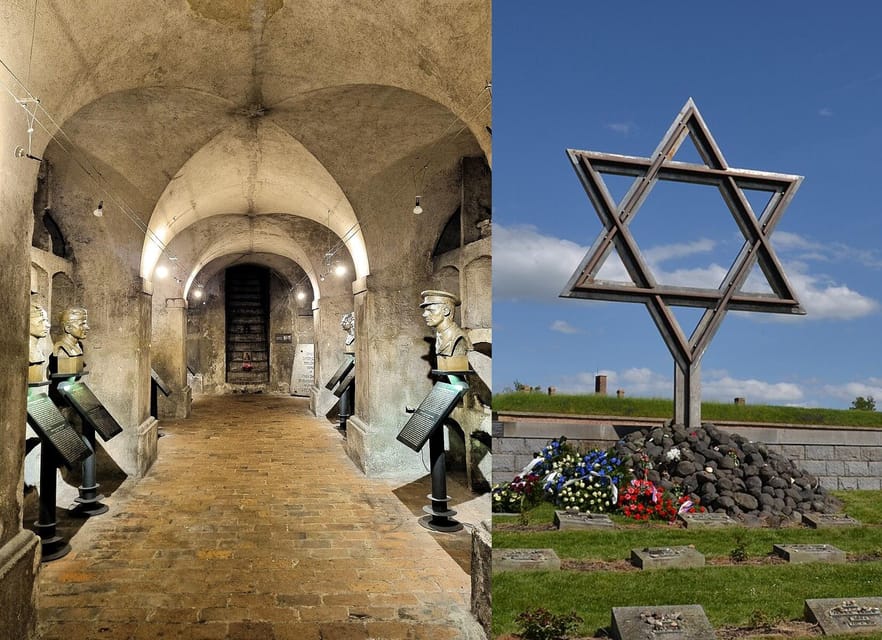
History gets personal fast. The Operation Anthropoid portion leads you into the church and crypt tied to the mission to assassinate Reinhard Heydrich, and it can connect directly to a Terezín fortress day if you book the full combination. With English live guides like Michael (and other guides such as Radim), you’re not just watching—you’re being walked through a story with real places behind it.
Two things I really like: you get access to the crypt beneath the Church of St. Cyril and St. Methodius, and the tour links that assassination narrative to Terezín’s lived wartime reality. Second, the guided route through the Small Fortress and Big Fortress helps you understand how one site could function as a police prison and another as a ghetto-concentration camp.
One possible drawback: because the topic is heavy and the day can stretch up to 8 hours on the full itinerary, you’ll want to pick the pacing that fits you. If you’re expecting a long, site-by-site stop at every listed location with lots of breathing room, you may find the schedule more structured than leisurely.
In This Review
- Key things you’ll care about
- Entering the Operation Anthropoid story at St. Cyril and St. Methodius
- The guided crypt visit: why the “small space” can feel huge
- How the full-day Terezín connection changes the meaning
- Small Fortress at Terezín: seeing the Gestapo prison structure up close
- Big Fortress at Terezín: the ghetto-concentration camp for Jews
- Terezín Museum, Magdeburg barracks, crematorium, and cemetery
- Survivor stories: how the guide keeps humanity in the foreground
- Prague logistics: Dancing House meeting point, private transfers, and line skipping
- Price at about $23: what’s the real value here
- How to choose your timing and tour length (1 to 8 hours)
- What to bring and how to handle a day like this
- Who this tour suits best
- Should you book the Operation Anthropoid and Terezín tour?
- FAQ
- Where do I meet for the tour?
- Is the tour available in English?
- How long is the tour?
- What is included in the Operation Anthropoid part?
- What is included in the Terezín Concentration Camp portion?
- Does the tour include a cemetery visit?
- Is there skip-the-ticket-line access?
- Does the experience offer private group options?
- Do you get transportation from Prague accommodation?
- Can I cancel or pay later?
Key things you’ll care about
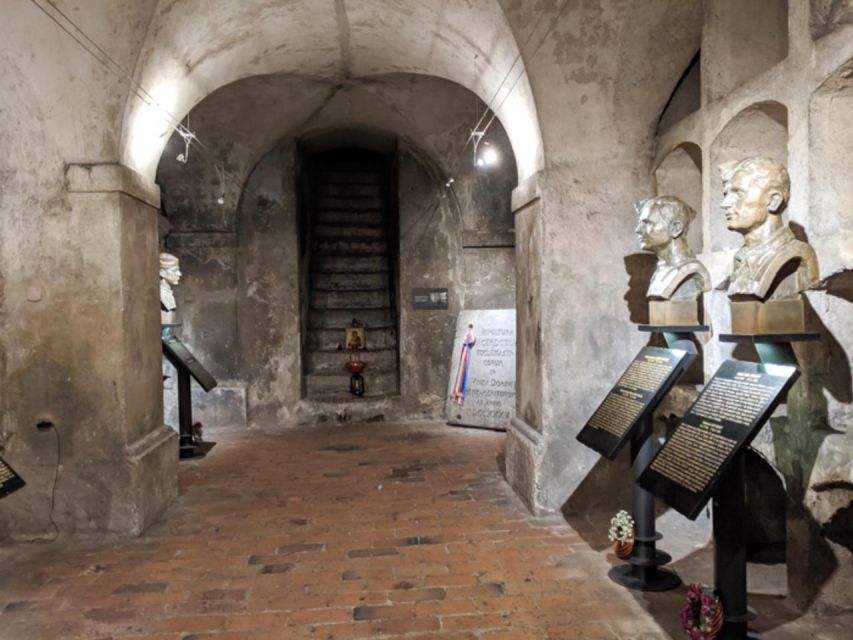
- St. Cyril and St. Methodius crypt access tied to the Operation Anthropoid story
- English live guiding with room for questions on many departures
- Small Fortress meaningfully labeled as a Gestapo police prison in the route
- Big Fortress taught as a ghetto-concentration camp for Jews in the route
- Museum stops that go beyond walls including Ghetto museum, Magdeburg barracks, Crematorium, and Cemetery
- Survivor stories that connect the sites to human decisions, courage, and loss
A sobering hour north. More Terezin memorial visits.
- Terezin Concentration Camp Day Tour from Prague★ 4.0 · 1,007 reviews
- From Prague: Terezín and Ghetto Museum Guided Tour★ 4.3 · 571 reviews
- Terezin & Bohemian Switzerland from Prague: Bastei, Narnia & Café★ 5.0 · 445 reviews
- From Prague: Terezin Concentration Camp & Memorial Tour★ 4.5 · 310 reviews
Entering the Operation Anthropoid story at St. Cyril and St. Methodius
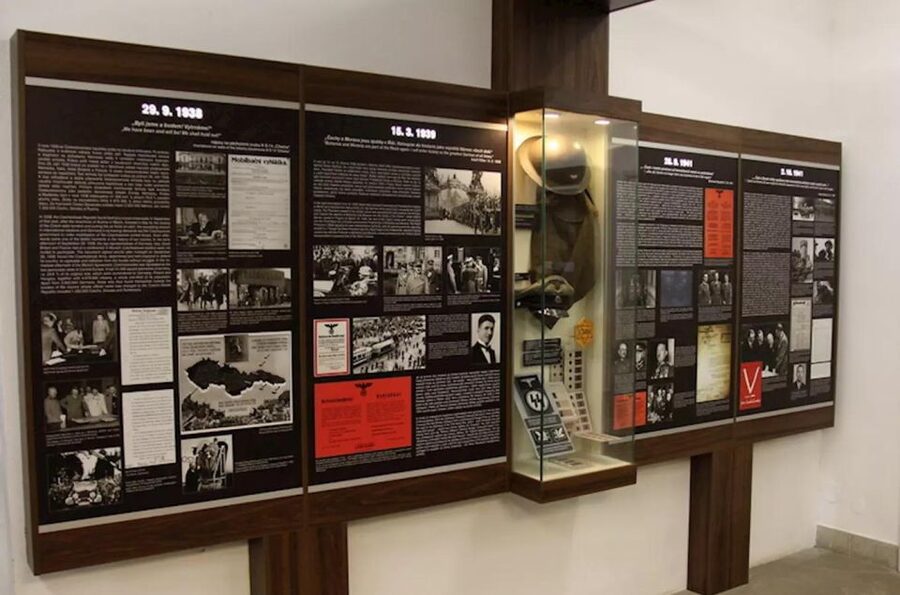
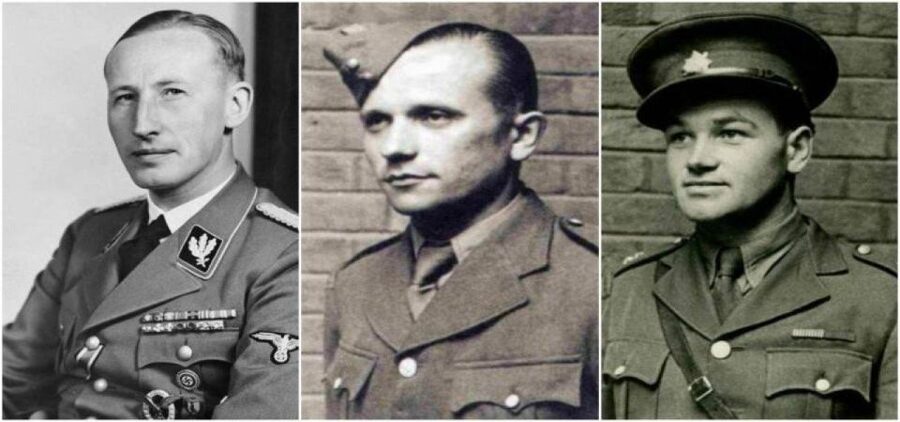
The tour starts in Prague, with the meeting point set in front of the Dancing House. From there, you head into a place where the wartime story isn’t abstract. The Church of St. Cyril and St. Methodius is part of the Operation Anthropoid narrative because it connects to the Czechoslovakian resistance fighters involved in the assassination plot.
What makes this leg so compelling is the crypt. Instead of treating history like a timeline, the guide uses the physical setting—the church and the under-church spaces—to keep the focus on what happened and why it mattered. If you’re the kind of traveler who wants context that actually holds together, this stop is a strong anchor.
The guided crypt visit: why the “small space” can feel huge
The tour includes entrance to the church and entrance to the crypt, so you’re not just passing through a main hall and calling it done. This is where you learn how Operation Anthropoid was more than a headline: it involved people, planning, and the risk of capture in a time when one wrong step could end everything.
Guides vary, but the best versions of this tour do two things well. First, they keep the mission’s purpose clear—Reinhard Heydrich is named as the key figure—and they connect that goal to the places tied to the fighters. Second, they give you time to ask questions and get the story explained in a way that sticks. People have praised guides such as Michael for being friendly and for making space for questions, which is exactly what you want in a site like this.
How the full-day Terezín connection changes the meaning
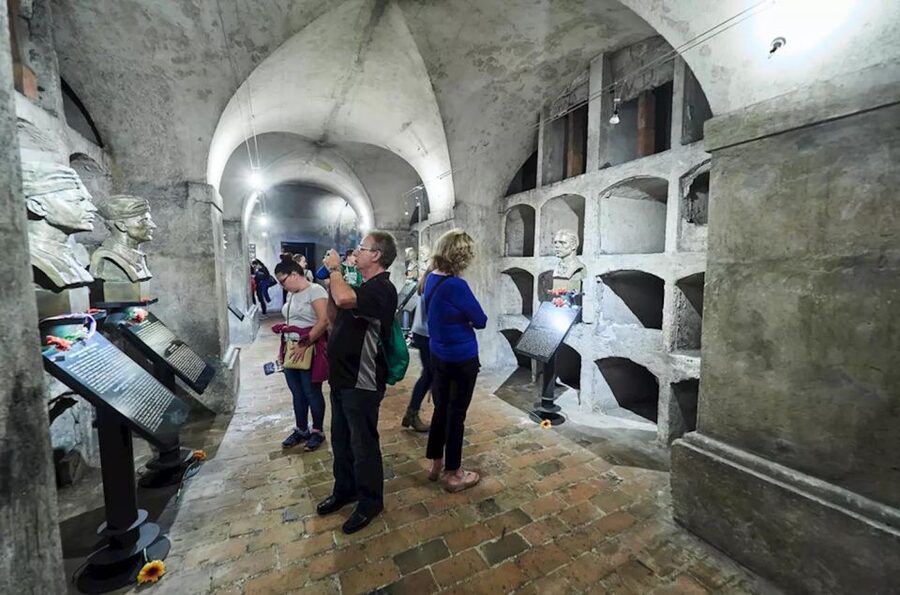
You can book the Operation Anthropoid leg alone or combine it into an ultimate one-day tour that pairs it with Terezín. When you do the full combination, the day feels like a bridge between resistance action and the broader machinery of persecution during World War II.
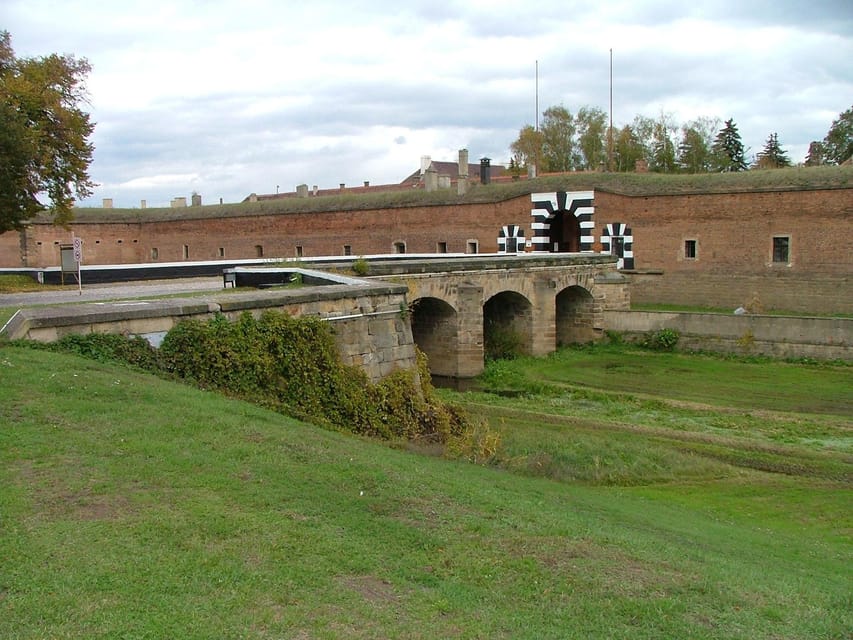
Terezín was originally a military fortress built in the 18th century. During World War II, it was converted into a concentration camp. The Big Fortress became a ghetto-concentration camp for Jews, while the Small Fortress was used as a Gestapo police prison. That clear split is important, because it prevents the visit from turning into one big blur of suffering. You understand systems—how control worked, who was targeted, and how the camp functioned.
Small Fortress at Terezín: seeing the Gestapo prison structure up close
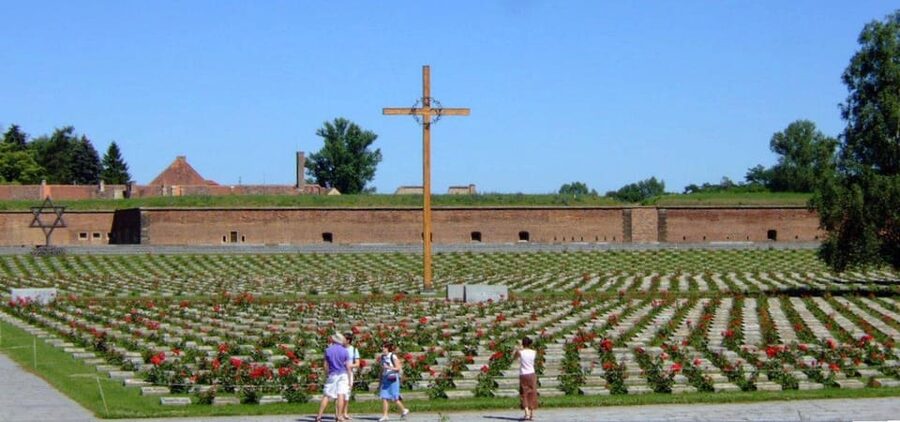
The itinerary’s Terezín portion includes guided visits through the Small Fortress. The tour is set up to frame this part as a Gestapo police prison, not a generic historical stop. That framing matters because it shapes what you pay attention to—less about scenery, more about how a detention system can be built to restrict movement and break people down.
In practical terms, expect a guided walk through fortress spaces where the architecture does the teaching. If you’re sensitive to the subject matter, take your time at each stop and let the guide’s narration set the pace rather than pushing ahead. The goal here isn’t to “power through.” It’s to leave with a clearer picture of how imprisonment worked.


Big Fortress at Terezín: the ghetto-concentration camp for Jews
Next comes the Big Fortress, guided with the specific context that it functioned as a ghetto-concentration camp for Jews. The tour’s value isn’t just that you visit the fortress—it’s that the guide keeps the purpose of the spaces tied to the historical role they played.
For many people, this is the moment when the trip starts to feel personal in a difficult way. You’re no longer only hearing about an assassination mission. You’re looking at a place where entire lives were pushed into a confined wartime reality. The guide’s job here is to help you connect details to meaning, and you’ll usually feel that most when the tour moves beyond facts and into what those facts meant.
Terezín Museum, Magdeburg barracks, crematorium, and cemetery
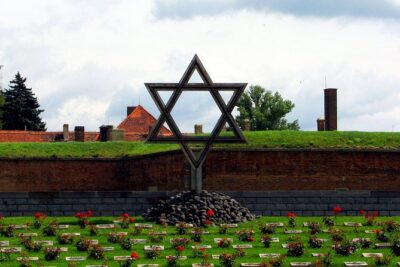
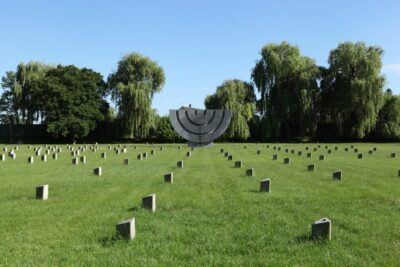
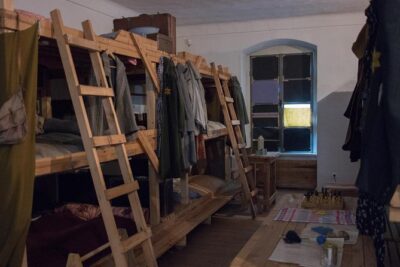
The tour doesn’t stop at fortress walls. It also includes entry to the Terezín concentration camp areas with the Ghetto museum, Magdeburg barracks, and the Crematorium. The highlights also call out a Cemetery visit, which is another key emotional point on the route.
Each of these stops plays a different role:
- The museum and ghetto museum help you build context so the fortress spaces aren’t just empty stone.
- The Magdeburg barracks gives you a sense of how the camp environment was organized and experienced.
- The crematorium stop is one of the hardest parts of the day, and it’s better handled with a guide who keeps the tone respectful and focused.
- The cemetery shifts the visit from historical explanation toward remembrance, which can help you process the visit rather than only accumulating information.
If you get overwhelmed, this is where it helps to ask the guide for a quick clarification. A good guide can help you put the site into a mental order: what you’re seeing, why it’s included, and how it connects to the bigger picture.
Survivor stories: how the guide keeps humanity in the foreground
One of the strongest promises of the experience is that you’ll hear stories of Terezín survivors. That detail matters because it changes your emotional posture. Instead of only thinking about what was done to people, you’re also reminded that individuals endured, resisted in the ways they could, and carried courage through unimaginable circumstances.
You might notice that the best-guided versions of this tour connect survivor stories to specific parts of the route—fortress spaces, museum context, and cemetery remembrance. When the guide does that well, the day feels like a coherent narrative rather than a checklist of stops.
There’s also a practical layer: survivor stories can make the whole site feel less like a history lecture and more like understanding a human chain of events. That’s not comfortable, but it’s useful, and it often stays with you longer than dates and labels.
Prague logistics: Dancing House meeting point, private transfers, and line skipping
Logistics matter more on a long day than most people expect. This tour has you meeting in front of the Dancing House, which is handy because it’s an easy landmark for first-time Prague visits.
For the Terezín portion, the experience includes private transfers with pickup and drop-off at your Prague accommodation. That’s a big deal if you’re trying to avoid transit stress, especially if your day includes multiple fortress areas and museum stops.
You also get skip-the-ticket-line, which saves time when queues form. If you’re the kind of person who hates waiting around with your thoughts in a dark place, this is one of those quiet upgrades that actually improves the emotional flow of the day.
If plans change, the tour offers free cancellation up to 24 hours in advance for a full refund, and you can reserve now and pay later. That flexibility helps when you’re balancing weather, energy, or the length of your Prague itinerary.
Price at about $23: what’s the real value here
At $23 per person, the price is what you’d call practical. The big question is value: are you paying for one site, or are you getting guided access that would cost you more if you pieced it together yourself?
Here, you’re getting:
- Guided entry for the Operation Anthropoid component (church and crypt)
- A guided Terezín concentration camp tour that includes fortress sites and multiple named areas (ghetto museum, Magdeburg barracks, crematorium)
- Transfers for the Terezín part (pickup and drop-off at your accommodation)
- Live English guiding
- Skip-the-ticket-line
That combination is where the deal feel comes from. Even if you’re only doing a shorter version of the experience, the guide-led structure is the main value. You’re not just buying admission—you’re buying interpretation that can connect sites into a story.
That said, your best outcome depends on the guide and your group size. There’s a reason some people feel wowed and others feel let down: in a tour like this, the guide’s tone and pacing make or break the experience. If you’re booking the full-day option, choose your departure time carefully so you’re not racing between hard stops.
How to choose your timing and tour length (1 to 8 hours)
The experience length is listed as 1 to 8 hours, which tells you to think of this as two different travel moods:
- A shorter outing makes sense if you want the Operation Anthropoid context without turning your entire day into fortress visits.
- A full-day combination is best if you want the contrast between resistance action and the camp system that followed.
If you’re short on time in Prague, start with what you care about most. If Operation Anthropoid is your main interest, focus on the church crypt leg. If you want the complete educational arc—assassination plot framing plus Terezín’s prison and ghetto-concentration camp setting—the ultimate one-day tour is the stronger match.
Also note: the tour is available with a private group option. Private groups can be great for asking questions at your own pace, especially on emotionally complex days where you don’t want to feel rushed.
What to bring and how to handle a day like this
This is a heavy itinerary. You’ll get the most out of it when you show up physically comfortable and mentally prepared.
Bring:
- Comfortable walking shoes (fortress terrain can be uneven)
- A layer for weather changes around Prague
- A small bottle of water, if allowed and if it helps you stay steady during long indoor/outdoor transitions
And mentally:
- Keep your expectations realistic. You’re learning about World War II, the Holocaust context, and human suffering through sites that don’t offer distraction.
- Give the guide your full attention during the most intense stops like the crematorium and cemetery. Those moments can hit harder than you expect, and you don’t want to miss the framing that helps them make sense.
One more practical note from real-world guide behavior: guides like Michael and Dominic have supported visitors with accessibility needs, including finding a wheelchair and pushing someone across uneven ground and up and down steps. That’s not a guarantee for every departure, but it does suggest that the guiding team may be used to adjusting on the spot. If you have a mobility need, message ahead so you can coordinate.
Who this tour suits best
This experience is a strong fit if you:
- Care about Operation Anthropoid as more than an exam-topic name
- Want Terezín explained with clear contrasts between Small Fortress and Big Fortress
- Prefer a guided route in English that ties the story together across multiple locations
- Like structured interpretation over trying to figure it out alone
It’s less ideal if you:
- Only want light history in manageable doses
- Are looking for a fully casual, stop-anytime pace (the day can be long and tightly narrated)
Rating data shows it has a strong reputation overall, with an average around 4.6 from 17 ratings. Just remember that the tour experience can feel very different depending on how the guide handles pacing and discussion.
Should you book the Operation Anthropoid and Terezín tour?
If you want your Prague visit to connect directly to World War II realities—rather than skimming past them—this is worth serious consideration. The price is low enough that you’re not taking a huge financial risk, and the structure is strong: church and crypt for Operation Anthropoid, then fortress and museum areas for Terezín, with survivor stories threaded through.
My advice: book it if you can handle a long, emotionally weighty day and you value guided context. Skip it or shorten the plan if you’re running on limited time or you know you’ll struggle with prolonged heavy sites. Either way, choose a departure you can fully commit to—this tour rewards attention more than speed.
FAQ
Where do I meet for the tour?
You meet your guide in front of the Dancing House.
Is the tour available in English?
Yes. The tour guide language is English.
How long is the tour?
The duration is listed as 1 to 8 hours, depending on the option and starting time.
What is included in the Operation Anthropoid part?
It includes entrance to the Church of St. Cyril and St. Methodius, entrance to the crypt beneath the church, and an expert guide.
What is included in the Terezín Concentration Camp portion?
It includes entrance to Terezín (the fortress areas), plus the Ghetto museum, Magdeburg barracks, and the Crematorium, with an expert guide.
Does the tour include a cemetery visit?
Yes, the highlights include a visit to the Cemetery.
Is there skip-the-ticket-line access?
Yes, skip-the-ticket line is included.
Does the experience offer private group options?
Yes, a private group is available.
Do you get transportation from Prague accommodation?
For the Terezín concentration camp tour, the included transfer service includes private transfers with pickup and drop-off at your Prague accommodation.
Can I cancel or pay later?
Free cancellation is available up to 24 hours in advance for a full refund, and you can reserve now and pay later.
More Tours in Prague

More Tour Reviews in Prague


More Terezin Memorial Trips

More Prague tours we have written up lately



Terezín Memorial Day Trips, compared.
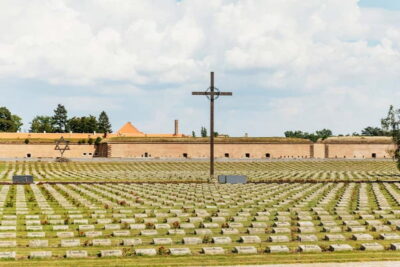 ★ 4.6From Prague: Terezin Concentration Camp Guided Tour w/ AudioFrom $692,248 reviews
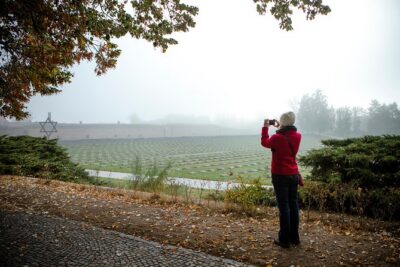 ★ 4.0Terezin Concentration Camp Day Tour from PragueFrom $781,007 reviews
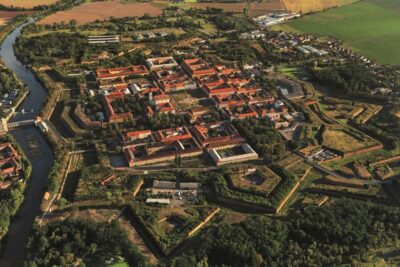 ★ 4.3From Prague: Terezín and Ghetto Museum Guided TourFrom $86571 reviews
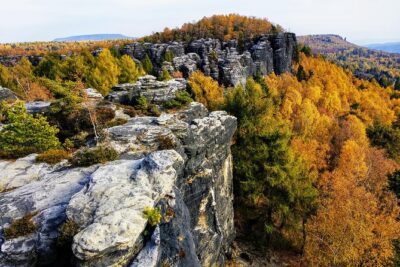 ★ 5.0Terezin & Bohemian Switzerland from Prague: Bastei, Narnia & CaféFrom $145445 reviews
 ★ 4.5From Prague: Terezin Concentration Camp & Memorial TourFrom $57310 reviews
 ★ 4.7From Prague: Terezín Concentration Camp Day TourFrom $1,354246 reviews
 ★ 4.5Terezin Concentration Camp Day Tour Including Admission From PragueFrom $96179 reviews
 ★ 5.0Terezin In-Depth Holocaust Tour From Prague’s Center (max 7 pax)From $145170 reviews
Browse the lists this tour appears in