
REVIEW · PRAGUE MUSEUMS & GALLERIES
Spiritual Prague: An Exhibition
Blue light turns old Prague into moving story.
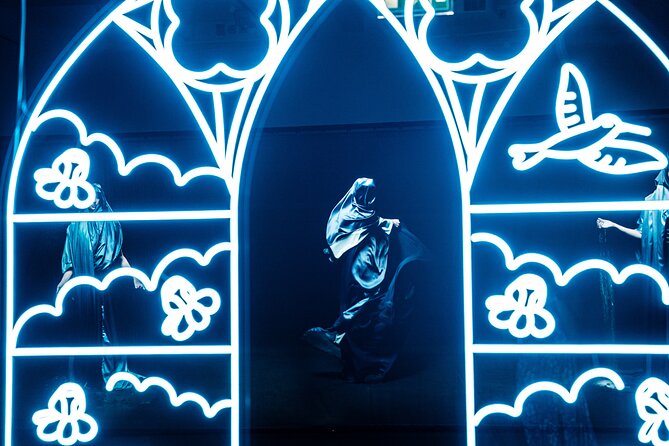
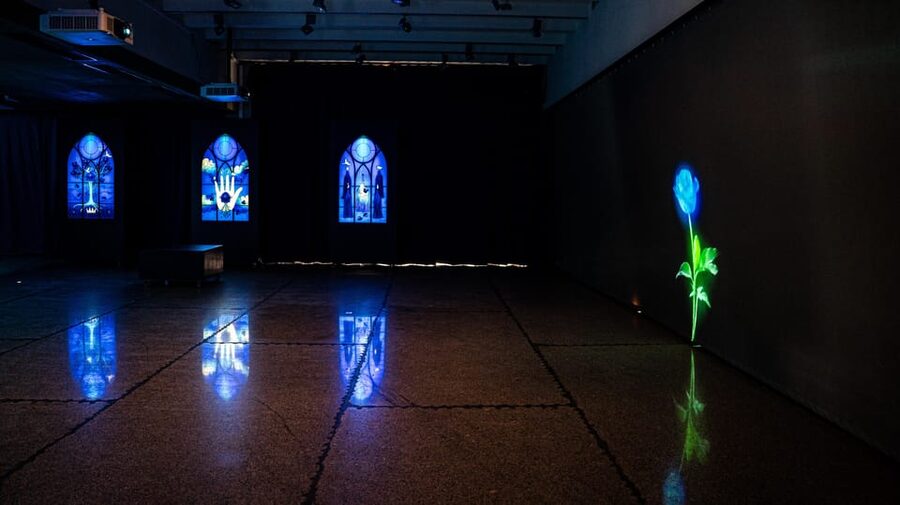
At Spiritual Prague: An Exhibition in the Hybernia Theatre, I like the 3D multimedia storytelling and the way it ties the U Hybernů house to major moments like the medieval flood, the plague epidemic, and the Thirty Years’ War. The whole show is built around the color blue, Christian symbolism, sound, animation, and special projections that make the past feel physical. One thing to keep in mind: it is not a straight history lecture, so if you want only hard facts and dates, you may need to pair it with something more textbook-style the same day.
What really grabbed me is the setting. This isn’t a random room with screens. The theater stands on a site layered with real religious and civic history: a 14th-century monastery of St. Ambrose (destroyed during the Hussite Wars), later patronage from Ferdinand II in 1629, and Franciscan building work that culminated in the Church of the Immaculate Conception of the Virgin Mary, planned by architect Carlo Lurag. I also like that the visit ends with a terrace tour, so you shift from fantasy-blue projections to actual Prague skyline views.
If you’re short on time or you like history that uses your senses, this is an easy win. It runs as a single day visit, and it’s wheelchair accessible.
In This Review
- Key things to know before you go
- Why the Hybernia Theatre building is the secret weapon
- The Blue Flower theme: why the whole experience uses blue
- The 3D multimedia scenes you’ll see (floods, plague, wars)
- U Hybernů and the real building story behind the spectacle
- Maria Krajplová’s approach: artifacts, symbolism, and interpretation
- The terrace tour: finish with real Prague skyline views
- Price and value for a one-day plan in central Prague
- Who should book Spiritual Prague, and who should think twice
- Should you book this exhibition?
- FAQ
- How long is Spiritual Prague: An Exhibition?
- What does the ticket include?
- Where does the exhibition take place?
- Is it wheelchair accessible?
- How much does it cost?
- Can I cancel for a refund?
Key things to know before you go
- The show is staged in the Hybernia Theatre building, connected to the U Hybernů story and centuries of monastic life.
- Everything is designed in blue shades, because blue is used for ideas of purity, reflection, and rest.
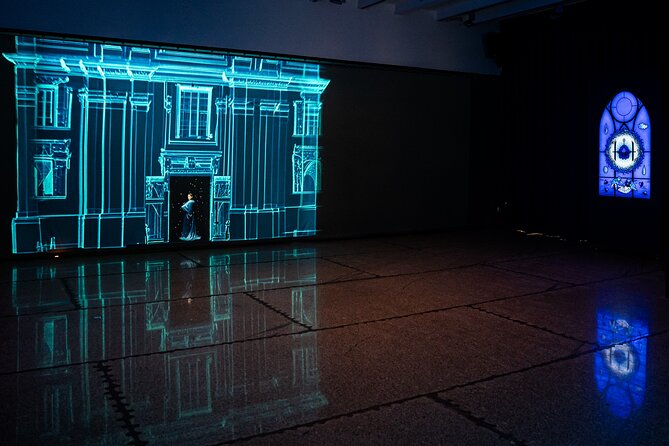
- Expect 2D and 3D animations with sound and special projections, not just a slideshow.
- Historical events are presented through art, including the medieval flood, plague, and the Thirty Years’ War.
- The Blue Flower exhibition includes a terrace tour for panoramic views of Prague’s skyline.
- The creative approach is credited to artist Maria Krajplová, who emphasizes atmosphere over strict fact-telling.
Rainy afternoon covered. More Prague museums and galleries.
- Prague: Klementinum Library & Astronomical Tower Guided Tour★ 4.5 · 5,050 reviews
- Prague: Museum of Fantastic Illusions Entry Ticket★ 4.3 · 4,337 reviews
- Prague: Petřín Tower and Mirror Maze Entry Ticket★ 4.3 · 2,294 reviews
- IAM Illusion Art Museum Entry Ticket★ 4.2 · 1,664 reviews
Why the Hybernia Theatre building is the secret weapon
Most Prague exhibitions sit in generic rooms. This one starts with a location that already carries history on its walls and site. The Hybernia Theatre is on the footprint of an earlier religious complex: a 14th-century monastery of St. Ambrose that was destroyed during the Hussite Wars. Later, in 1629, Ferdinand II donated the site to the Franciscan Order of Ireland. That patronage matters because it led to bigger building plans—by 1637, the Franciscans were constructing a new monastery and the Church of the Immaculate Conception of the Virgin Mary.
You don’t need to be a Czech history expert to feel the relevance. When the multimedia show begins, the building’s background gives the projections weight. You’re not watching history as something distant. You’re watching it unfold in a place where religious orders, architecture, and national change all overlap. That makes the U Hybernů angle land better too—because the show doesn’t treat U Hybernů like a name on a brochure. It treats it like part of the living Prague story.
Practical takeaway: if you can, arrive ready to look up. Even if you’re focused on the screens, glance around the theater spaces. The setting quietly reinforces the show’s themes.
The Blue Flower theme: why the whole experience uses blue
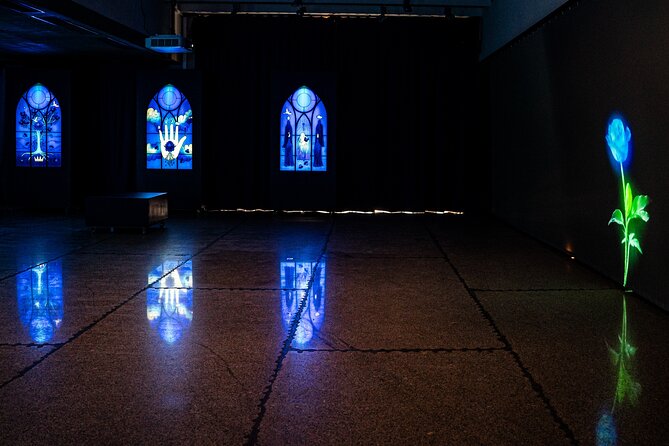
The exhibition is branded around the Blue Flower, and the color choice is intentional. The title’s blue isn’t just an aesthetic. It points to spiritual symbolism: blue as purity and innocence, linked to how the Virgin Mary is often depicted in blue. It also ties to reflection and contemplation, plus rest and relaxation.
That design decision affects what you feel while watching. Blue shades help slow the pace mentally. The imagery is not meant to be only fast and exciting. It’s meant to create a mood where you can watch, listen, and make connections between events. Animations, sound effects, and projections come in layers, and the color scheme keeps the whole piece cohesive rather than turning it into a random mash-up of scenes.
If you’re someone who thinks better through atmosphere than through lectures, you’ll probably like this. It’s also a plus on a rainy Prague day, because the inside world stays consistent: blue, sound, projection, and story.
The 3D multimedia scenes you’ll see (floods, plague, wars)
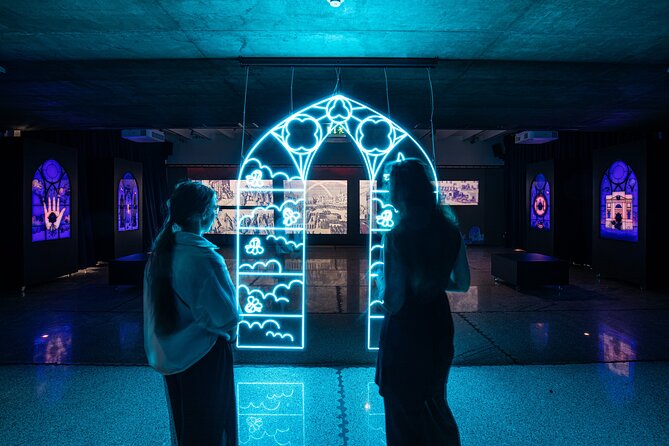
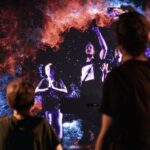
This is where the show earns its ticket. You get a 3D multimedia exhibition in Prague city center, built around animations, sound, and visual effects. The exhibition uses special projections to create that sense of being in the scene—where you’re not just observing, you’re being pulled into what the show wants you to sense.
Based on the exhibition description, you’ll encounter big historical moments such as:
- the medieval flood
- the plague epidemic
- the Thirty Years’ War
…and other events meant to show how Prague changed shape over time.
What’s smart is the way these events are connected. Instead of listing them one by one like a textbook, the show ties them to atmosphere, symbolism, and physical imagination. Even if you already know these chapters of Prague history, you’re watching them behave like a story: scenes shift, audio supports the pacing, and projections do the heavy lifting of scale.
A practical consideration: this is art-forward presentation. Some viewers want the calm, factual clarity of a museum label. Others want emotional comprehension—how it feels when history is turned into moving images. If you fall into the second group, you’re going to enjoy the experience a lot more.
U Hybernů and the real building story behind the spectacle
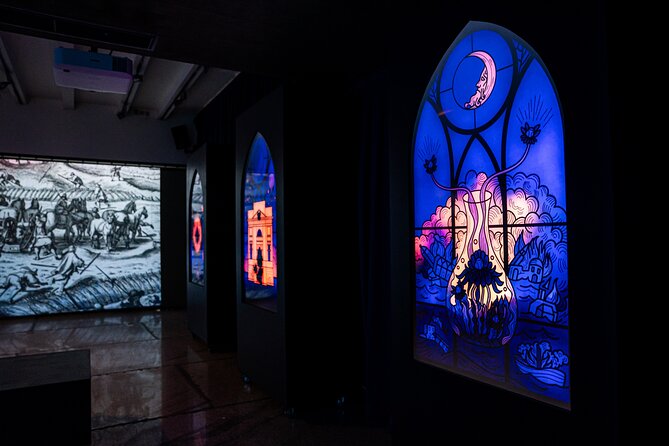
The exhibition isn’t only about medieval calamities and war. It also gives attention to the building itself, and that’s a big part of why the show feels specific to Prague.
The theater’s site history matters. You’re given context about the St. Ambrose monastery, its destruction during the Hussite Wars, and then the later Franciscan rebuilding under Ferdinand II. The show also references the construction of the Church of the Immaculate Conception of the Virgin Mary, following a plan by architect Carlo Lurag.
That historical backbone is what allows the show to connect “place” and “events.” Prague’s big stories didn’t happen in a vacuum. They happened in and around buildings, orders, and institutions that shaped daily life.
Here’s what you should watch for: when the show references U Hybernů and the Hybernia site, don’t think of it like a side note. Think of it like the spine. The multimedia scenes make more sense when you treat the building as a character—one that holds layers of Prague change.
More Prague museums and collections worth an hour.
Maria Krajplová’s approach: artifacts, symbolism, and interpretation
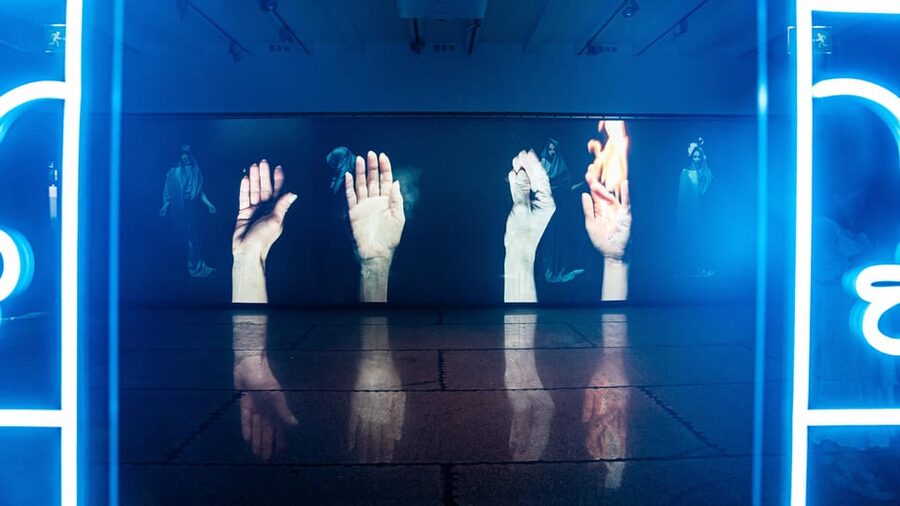
The audiovisual exhibition is directed by artist Maria Krajplová, and the creative method is part of the point. The show combines historical artifacts, Christian symbolism, and animation in 2D and 3D space.
You’re also told that the artist obtained contemporary documents and materials for the exhibition at auctions. The videos you’ll see are described as a mixture of collected footage transformed into emotive images, so the presentation aims for feeling and interpretation—not just accuracy in the lecture sense.
This matters for your expectations. The exhibition is explicitly described as not being only about historical facts. It’s about processing those facts in a way that conveys the fantasy, sometimes even mystical atmosphere of Prague. Each viewer may perceive the images differently, which is unusual compared with standard museum experiences.
So what’s the takeaway for you? If you prefer:
- a guided, fact-first tour style, or
- a museum format with clear dates and citations,
then this may feel slightly abstract. But if you like history that works through mood, symbolism, and sensory storytelling, the artist’s approach is exactly the reason this show exists.
I found that knowing it is interpretive helped me watch better. I stopped trying to catch every factual detail and started focusing on how the show links tragedy, faith, architecture, and memory.
The terrace tour: finish with real Prague skyline views
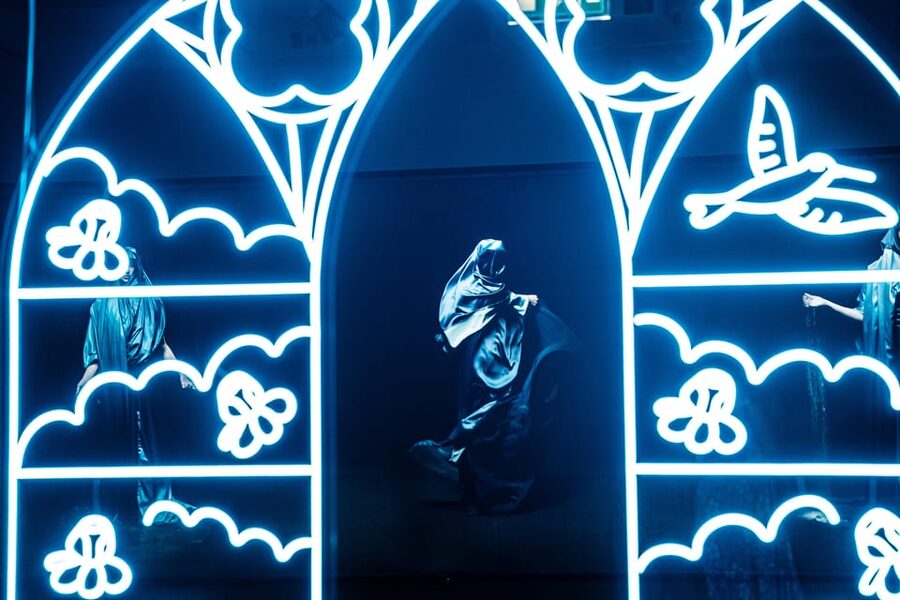
After the main multimedia part, you get a terrace tour included with the Blue Flower package. That’s not a random add-on. It’s a smart reset.
Inside, you’re in blue projection and audio effects. On the terrace, you shift back to the physical city. The description promises panoramic views of Prague’s skyline. If the show leaves you thinking about time and layers, the terrace helps you anchor yourself in where the city stands today.
Practical tip: treat the terrace time like part of the experience, not an afterthought. Spend a minute or two looking outward, then connect what you saw with what you see. Prague changes fast visually depending on the angle, and that makes the skyline moment feel more satisfying.
If you’re using mobility aids, the good news is that the overall activity is wheelchair accessible.
Price and value for a one-day plan in central Prague
At $14 per person for a 1-day experience, the value is pretty strong—mainly because you’re paying for a full, staged production: multimedia displays inside the historic Hybernia Theatre plus the included terrace tour.
You’re not buying just a short exhibit glance. You’re getting:
- a 3D multimedia show in a specific historic building
- themed storytelling around major Prague events
- and a separate outdoor viewpoint component
For many visitors, that combination is what makes $14 feel fair: it’s not only screens, and it’s not only architecture labels. It’s a complete, atmospheric event that fills a chunk of a day without demanding all-day walking.
Two planning notes that help:
- Since it’s valid for 1 day from the first activation, pick a time when you’re not rushed by the rest of your itinerary.
- Build it into your day when you’re open to a more artistic interpretation of history, not just “checklist sightseeing.”
If your schedule might shift, the experience offers free cancellation up to 24 hours in advance for a full refund, plus reserve now & pay later so you can hold a spot without paying immediately.
Who should book Spiritual Prague, and who should think twice
This is a great fit if you:
- like multimedia exhibitions and sensory storytelling
- want Prague history tied to a specific location (the Hybernia Theatre site and its Franciscan/monastery past)
- enjoy the idea of symbolism (the Blue Flower concept and Christian imagery)
- want a one-day activity that doesn’t require long travel between stops
It may be a weaker fit if you:
- want a strict, fact-heavy lecture format
- need lots of explicit historical documentation and dates as your main goal
- dislike interpretive art that can feel more mystical than academic
A good strategy is to treat it as your “mood history” stop. Then, if you want factual grounding, pair it with a regular walking route afterward or earlier in your trip.
Should you book this exhibition?
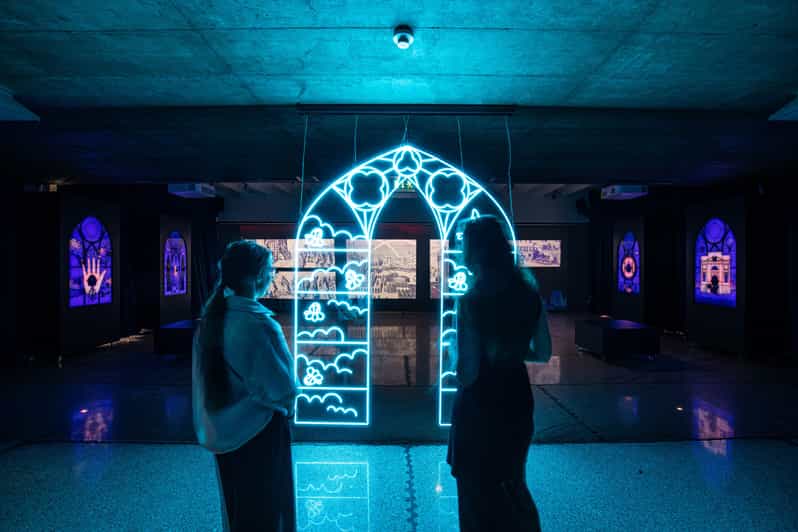
Yes, if you want something Prague-specific that’s short, atmospheric, and genuinely creative. The Hybernia Theatre setting plus the Blue Flower blue-themed design plus the 3D audio-visual scenes make this feel like more than a quick indoor distraction. At $14, the package also includes the terrace tour, which adds a real-world payoff after the projections.
If you’re picky about historical accuracy as your top priority, don’t skip it blindly—go in knowing the show is interpretive, built to convey atmosphere, and meant to let you perceive the story through sound, animation, and symbolism.
FAQ
How long is Spiritual Prague: An Exhibition?
It’s a 1-day experience. The validity is listed as 1 day from first activation.
What does the ticket include?
The Blue Flower exhibition includes the multimedia journey through Prague’s pivotal moments, engaging displays inside the historic Hybernia Theatre, and a terrace tour with panoramic views of Prague’s skyline.
Where does the exhibition take place?
It takes place at the Hybernia Theatre in Prague city center.
Is it wheelchair accessible?
Yes. The activity is wheelchair accessible.
How much does it cost?
The price is listed as $14 per person.
Can I cancel for a refund?
Yes. Free cancellation is available up to 24 hours in advance for a full refund.
More Prague Museums & Collections

More Tour Reviews in Prague



More Prague Museums & Galleries

More Prague tours we have written up lately

Prague Museums & Galleries, compared.
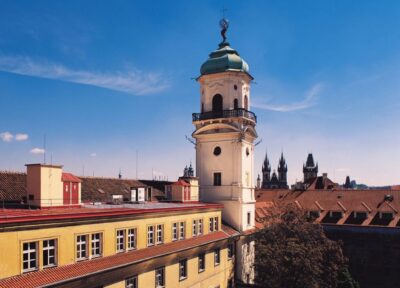 ★ 4.5Klementinum Library & Astronomical Tower Guided TourFrom $185,050 reviews
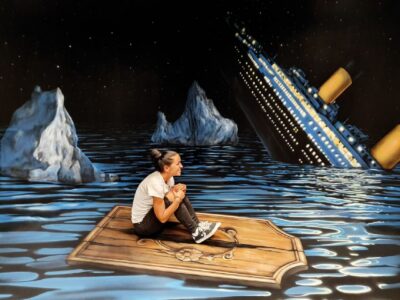 ★ 4.3Museum of Fantastic Illusions Entry TicketFrom $174,337 reviews
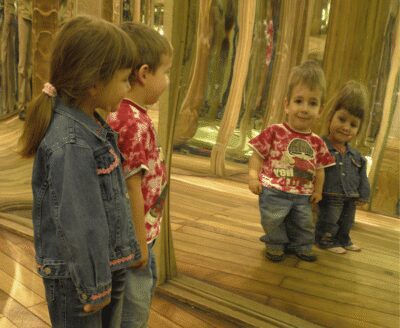 ★ 4.3Petřín Tower and Mirror Maze Entry TicketFrom $142,294 reviews
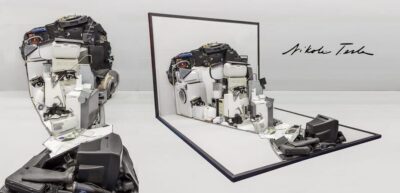 ★ 4.2IAM Illusion Art Museum Entry TicketFrom $161,664 reviews
 ★ 4.0Museum of Senses Admission TicketFrom $181,445 reviews
 ★ 5.0IAM Illusion Art Museum Prague Fast Pass TicketFrom $13957 reviews
 ★ 4.5Admission Ticket to Museum of Senses in PragueFrom $19861 reviews
 ★ 4.2Museum of Bricks Entry TicketFrom $14851 reviews
Browse the lists this tour appears in