
REVIEW · PRAGUE MUSEUMS & GALLERIES
Prague: Tickets for the Franz Kafka Museum
Kafka’s world is tight and unforgettable. This Prague visit is built around one core idea: you’ll see original Kafka materials right where his life unfolded. You start with a short guide intro outside the museum, then you’re free to move at your own pace through exhibits that cover the years 1883 to 1924.
What I like most is the focus on primary documents—letters, diaries, manuscripts, photographs, and drawings—and how they make Kafka feel human instead of mythic. The other big win is the museum’s tech: 3D installations, audiovisual pieces, and a soundtrack made for the exhibition. One thing to keep in mind: the museum is compact and can feel crowded, so if you prefer a slow, quiet read of every display, plan your pace accordingly.
In This Review
- Key things that make this Kafka ticket worth your time
- Meet the yellow umbrella guide, then go in on your own
- The 1883–1924 timeline: reading Kafka like a person, not a statue
- Original letters and diaries: the display that hits hardest
- First editions and manuscripts: where the museum earns its ticket price
- Photos and drawings: impressive visuals, but don’t expect every label to do all the work
- 3D installations, audiovisual pieces, and a specially created soundtrack
- Pacing your visit: how to plan when the museum feels small
- Value check: is this $28 ticket good for your time in Prague?
- Who should book the Franz Kafka Museum ticket?
- Should you book this tour ticket?
- FAQ
- How much is the Franz Kafka Museum ticket?
- How long is the activity?
- What do I get when I book?
- Is there a guide inside the museum?
- Where do I meet the guide?
- What language is the guide in?
- Is the visit self-paced?
- Can I get a refund if my plans change?
Key things that make this Kafka ticket worth your time
- A 20-minute guided kick-off outside the museum so you know what to look for before you go in
- A self-paced visit inside after the introduction, so you can linger on what grabs you
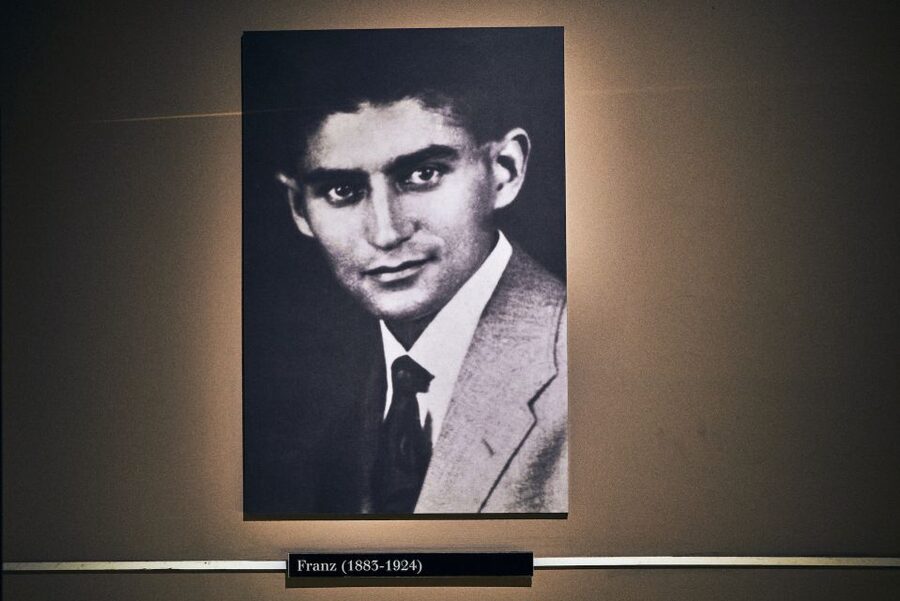
- First editions plus personal papers like letters, diaries, and manuscripts
- 3D, audio, and audiovisual storytelling designed for the exhibit
- A clear life timeline (1883–1924) that helps you connect the documents to the man
Rainy afternoon covered. More Prague museums and galleries.
- Prague: Klementinum Library & Astronomical Tower Guided Tour★ 4.5 · 5,050 reviews
- Prague: Museum of Fantastic Illusions Entry Ticket★ 4.3 · 4,337 reviews
- Prague: Petřín Tower and Mirror Maze Entry Ticket★ 4.3 · 2,294 reviews
- IAM Illusion Art Museum Entry Ticket★ 4.2 · 1,664 reviews
Meet the yellow umbrella guide, then go in on your own
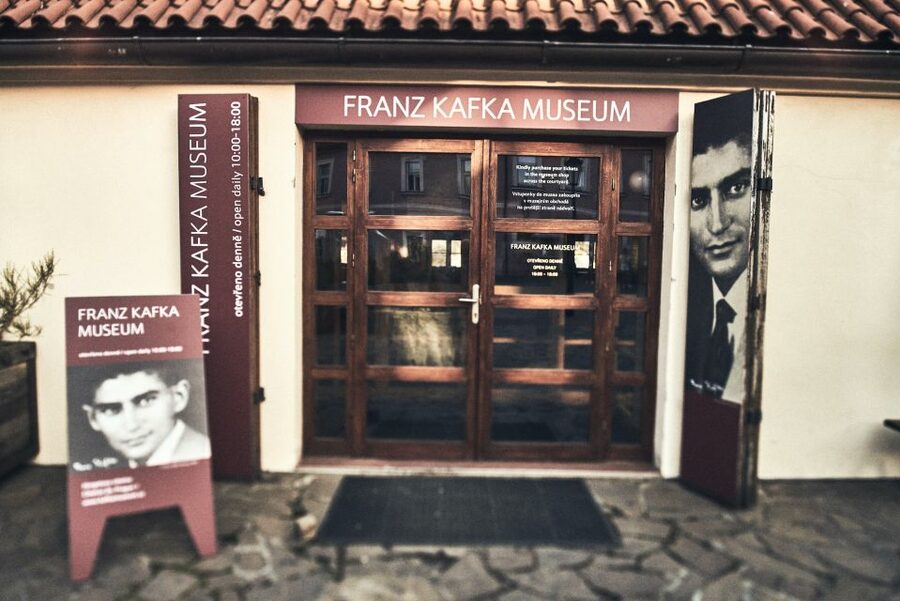
Your day starts at the museum meeting point. Find your guide holding a yellow umbrella—then you’ll get a 20-minute introduction outside before you enter.
This small “warm-up” matters more than it sounds. Kafka isn’t always easy on the first pass, especially if you’re coming in cold. A quick briefing helps you spot patterns: what you’re seeing, why it’s important, and what to pay attention to as you walk through the rooms. It also means you’re not stuck trying to decode everything while your energy is still settling.
After that, you don’t have a guide inside. You’re given the ticket experience and then you explore independently. That’s a smart setup for people who like control: you can go line by line on documents, or you can use the audio/3D elements as your main guide and skim the rest.
The 1883–1924 timeline: reading Kafka like a person, not a statue
Once you’re inside, the museum takes you back to the span when Kafka was alive and living in Prague. Even without a long guided script, that date range works like a frame. It gives the exhibits an order, so you’re not just collecting artifacts—you’re watching a life unfold.
Here’s how to get more out of it:
- Start by asking yourself what part of Kafka’s life the room seems to emphasize.
- When you see a manuscript or letter, connect it to the era you’re currently in.
- If you hit a section that feels heavy or confusing, use the audiovisual parts as a reset before you return to the text.
That timeline approach is where this ticket can feel more than just “a museum about an author.” It turns the visit into a guided reading experience, with you doing the thinking at your own speed.
Original letters and diaries: the display that hits hardest
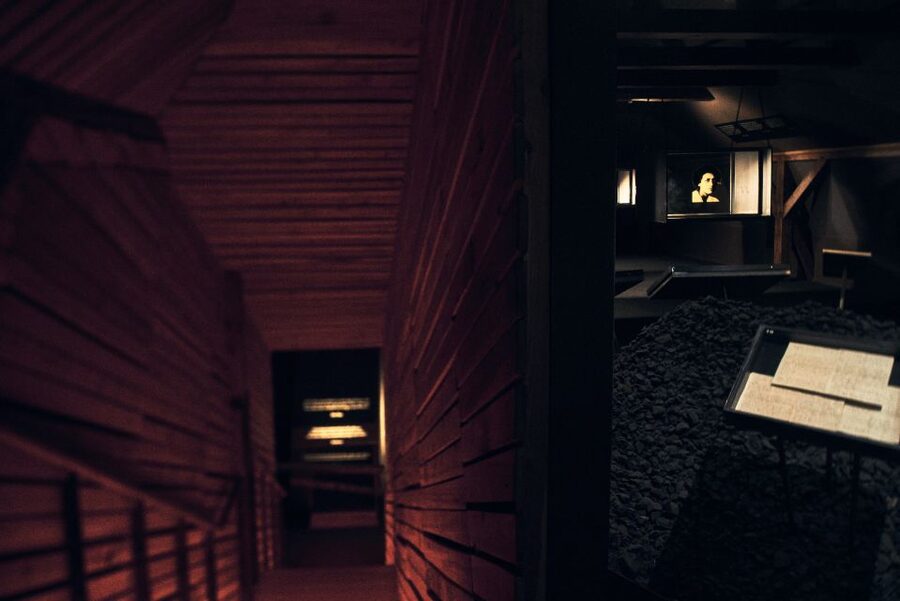
If you love literature, you’ll probably find the documents to be the center of gravity here. The museum highlights Kafka’s letters and diaries, plus manuscripts, photographs, and drawings. Seeing these items in person is different from reading about them.
Why it matters: documents like this show process. You’re not only looking at what Kafka published. You’re looking at what he wrote, how he recorded ideas, and how his work connected to real days in Prague.
Look closely at:
- Handwritten material, which can show pacing and changes
- Photographs and drawings, which can make the stories feel less abstract
- Manuscripts, where you might notice how a text becomes a work through revisions
Even if you don’t read Czech, don’t worry—you’re not only relying on translations. The physicality of the originals is part of the experience. It’s a rare chance to get close to the tools behind the writing.
First editions and manuscripts: where the museum earns its ticket price
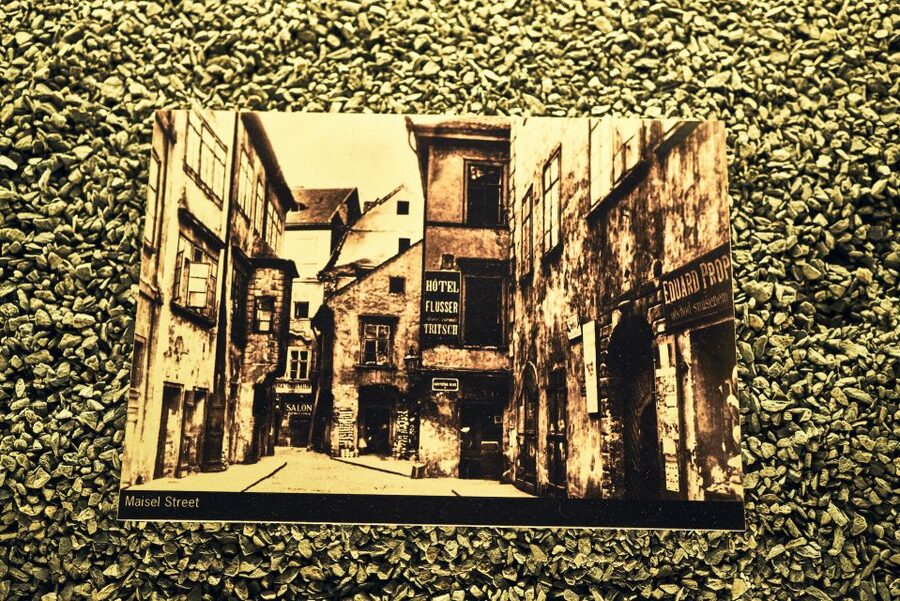
The museum doesn’t just show personal papers. It also includes first editions of Kafka’s works, which adds a different angle: the bridge between private writing and public books.
This is a practical value point for the $28 price. When a museum includes only biographies, it can start to feel like a story you already know. When it includes editions and manuscripts, you get material evidence of the author’s output and how his words took shape.
To make this section work for you:
- Give the first editions a moment before you move on. Treat them like “evidence,” not souvenirs.
- Then return to manuscripts if you want to connect the published versions to the earlier writing.
- If you’re short on time, prioritize what you personally find most compelling: letters for personality, manuscripts for craft, or first editions for legacy.
Other Prague tours and experiences that reward a closer look




Photos and drawings: impressive visuals, but don’t expect every label to do all the work
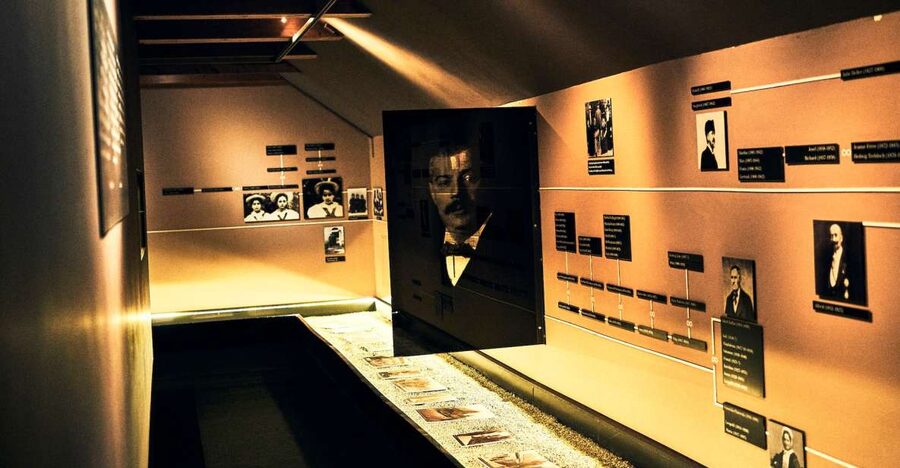
Photos and drawings are included, and that visual side can be fascinating—especially if you like interpreting how an author looked at the world. Still, one consideration is that some exhibits can feel information-light for certain display types (like photo-heavy areas).
So don’t assume every item comes with the kind of detail you’d want for a slow, thorough reading. Your best strategy is to use the guide intro outside as your “decoder ring,” and then decide what you want to spend time on once you’re inside.
If you like museums that feel like a deep textbook, you might feel frustrated in sections where the captions don’t fully connect the visuals back to Kafka the person. If you’re happy letting the atmosphere and artifacts guide you, you’ll likely enjoy those rooms anyway.
3D installations, audiovisual pieces, and a specially created soundtrack
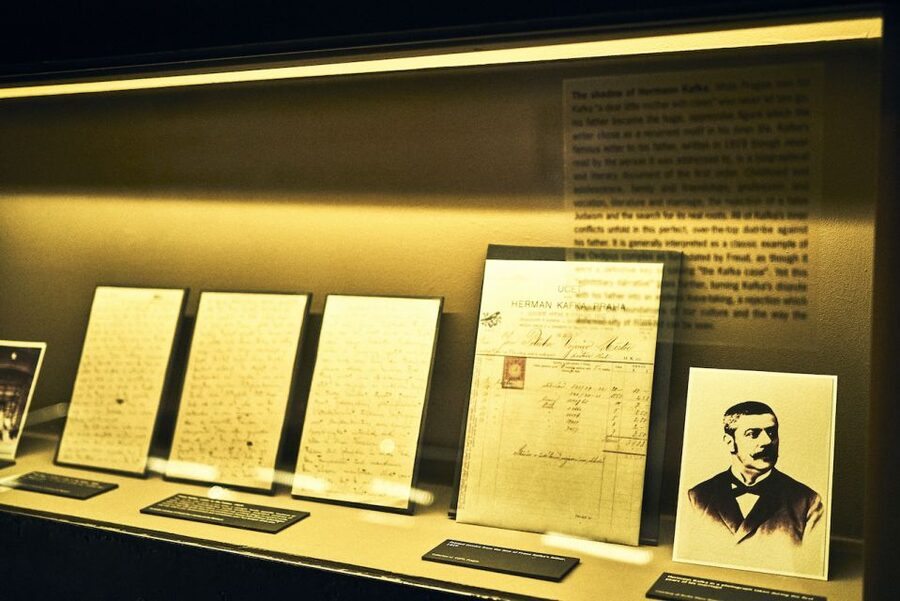
This is the museum’s big modern layer, and it’s one of the reasons this experience stands out. Expect 3D installations, audiovisual pieces, and a soundtrack created for the exhibition.
Here’s why it can work well, even if you’re not a “tech museum” person:
- Audio can give you rhythm when reading is mentally tiring
- 3D visuals can help translate ideas that might otherwise stay purely textual
- The soundtrack can make the timeline feel less like a checklist and more like a lived atmosphere
My advice: don’t rush the tech areas. Even though they’re part of an exhibition, they’re also your emotional punctuation. If you move too fast through the documents, the tech parts can bring you back into focus. If you move too slowly through the documents, the tech pieces can prevent the visit from turning into a wall of text.
Pacing your visit: how to plan when the museum feels small
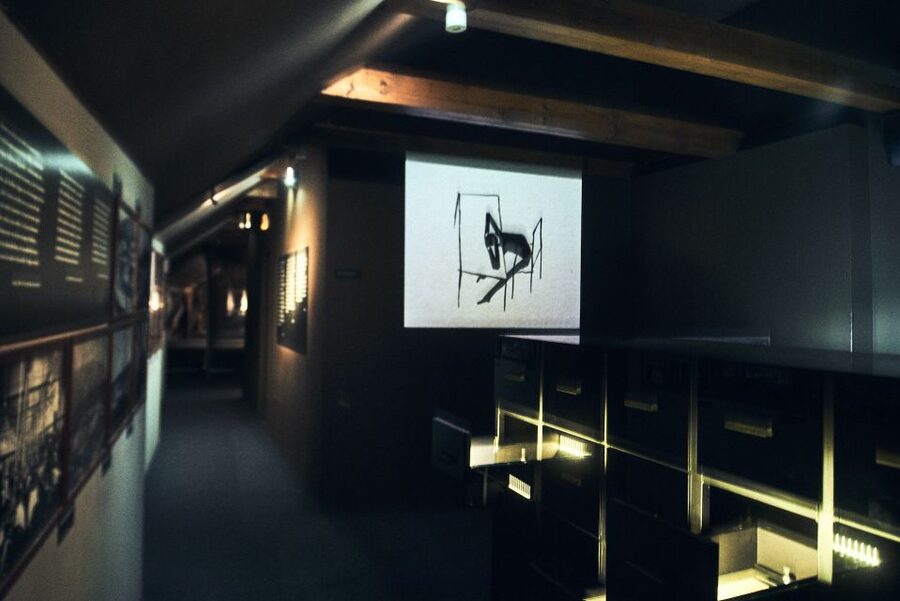
The museum is described as compact, and that matters for pacing. You’ll want to think about how you like to see things:
- If you enjoy slow reading, expect to queue for a few viewpoints and accept that you may not see everything at an unhurried pace.
- If you like picking themes, you can do that here by choosing a category first: documents, first editions, or the 3D/audio sections.
A smart approach:
1) Do one full pass that’s curiosity-driven (artifacts plus tech).
2) Then pick 1–2 areas you want to revisit more carefully.
Because you’re exploring independently after the intro, you have freedom to adjust on the fly. Use that to protect your preferred pace.
Value check: is this $28 ticket good for your time in Prague?
At about $28 per person for a 1-day activity, the value depends on what you want from Prague.
This works best if you care about one thing deeply: Kafka as a real person with real writing habits. The museum’s strongest assets are the original materials—letters, diaries, manuscripts, photographs, drawings—and the added modern storytelling through 3D and audio.
It’s less ideal if you’re expecting a large, multi-building attraction where you can wander for hours on end. The museum is small, so your visit will be “focused,” not “endless.”
My practical take: if you’re in Prague for a few days and you want one literary, high-impact stop, this ticket is a solid use of time. You’ll get a concentrated Kafka experience without needing a long commitment.
Who should book the Franz Kafka Museum ticket?
I’d put this ticket at the top of your list if:
- You’re a fan of Kafka and want to see the real working materials behind the writing
- You like exhibitions that blend documents with modern interpretive tools (3D/audiovisual/sound)
- You prefer a guided start, then self-paced exploration inside
It’s also a good choice if you’re traveling with someone who wants “culture” but doesn’t want a lecture. The guide brief outside gives context; then you can steer your own experience.
Should you book this tour ticket?
Book it if you want a single focused Kafka stop where the center of the experience is original documents plus smart audio/3D elements. The guided introduction outside is short but useful, and the self-paced format helps you control your time in a compact space.
Skip it (or manage expectations) if you hate crowding and need quiet, long reading time. The museum’s size can limit how leisurely you can be, and some visual-focused areas may not feel as fully explained as you’d like.
FAQ
How much is the Franz Kafka Museum ticket?
The price is listed at $28 per person.
How long is the activity?
It’s listed as a 1-day experience.
What do I get when I book?
Your ticket includes entrance to the museum plus a 20-minute guided introduction outside the museum.
Is there a guide inside the museum?
No. A guide inside the museum is not included. After the introduction, you explore at your own pace.
Where do I meet the guide?
Meet your guide at the museum and look for them holding a yellow umbrella.
What language is the guide in?
The host or greeter is listed as English.
Is the visit self-paced?
Yes. You receive an introduction first, then you go through the museum exhibits on your own.
Can I get a refund if my plans change?
Free cancellation is available up to 24 hours in advance for a full refund.
More Tickets in Prague

More Tour Reviews in Prague



More Prague Museums & Galleries



More Prague tours we have written up lately



Prague Museums & Galleries, compared.
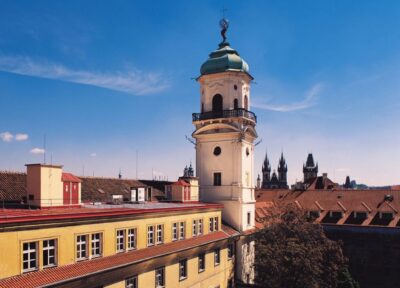 ★ 4.5Klementinum Library & Astronomical Tower Guided TourFrom $185,050 reviews
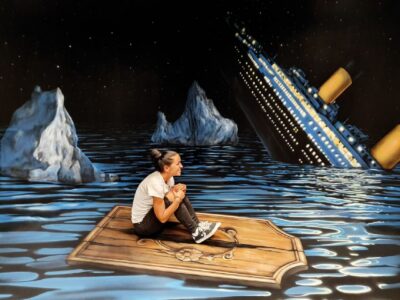 ★ 4.3Museum of Fantastic Illusions Entry TicketFrom $174,337 reviews
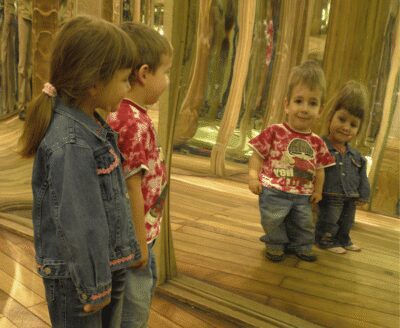 ★ 4.3Petřín Tower and Mirror Maze Entry TicketFrom $142,294 reviews
 ★ 4.2IAM Illusion Art Museum Entry TicketFrom $161,664 reviews
 ★ 4.0Museum of Senses Admission TicketFrom $181,445 reviews
 ★ 5.0IAM Illusion Art Museum Prague Fast Pass TicketFrom $13957 reviews
 ★ 4.5Admission Ticket to Museum of Senses in PragueFrom $19861 reviews
 ★ 4.2Museum of Bricks Entry TicketFrom $14851 reviews
Browse the lists this tour appears in