
REVIEW · PRAGUE MUSEUMS & GALLERIES
Prague: Kafka Museum Entry Ticket
Franz Kafka has a way of getting under your skin. This ticket gets you into the Kafka Museum in Prague, housed in the historic Hergetova Cihelna on the Lesser Town side of the Vltava, where the exhibition feels like a symbolic walk through anxiety and alienation.
I especially like two things: the rare documents—first editions, diaries, manuscripts, and correspondence—along with the way the museum uses audiovisual installations to translate Kafka’s themes into something you can actually feel, not just read.
One possible drawback: there are no guided tours included, so if you want a live explanation, you’ll need to go in with your own curiosity (or plan to add a guide elsewhere).
In This Review
- Key things to know before you go
- Kafka Museum in Prague: what this ticket actually delivers
- Where you start: rare manuscripts and first editions
- Prague through Kafka’s eyes: photos, drawings, and context
- The museum path feels symbolic on purpose
- Audiovisual installations: when Kafka becomes experiential
- New-to-you exhibits: materials that have never been displayed
- The exclusive soundtrack: music composed for the museum
- Ending the visit: influence and personal struggle
- Price and value: is $14 worth it?
- How to fit it into a Prague day
- Who this museum is best for (and who should think twice)
- Quick practical notes before you go
- Should you book the Kafka Museum ticket?
- FAQ
- Where is the Kafka Museum in Prague?
- How much does the ticket cost?
- How long is the activity valid?
- What should I expect inside the museum?
- Does the ticket include audiovisual installations?
- Are rare manuscripts and first editions included?
- Is a guided tour included?
- Is music included as part of the museum experience?
- Are meals or drinks included?
- What is the cancellation policy?
- Are there starting times?
Key things to know before you go
- Hergetova Cihelna setting on the Vltava gives the visit a historic, atmospheric frame instead of a generic museum box
- Rare first editions, diaries, and manuscripts mean you’re looking at primary material, not only summaries
- Audiovisual installations turn Kafka’s ideas into a multisensory experience
- Photos and drawings of Prague in Kafka’s time help you place the stories on real streets
- Works shown that have never been displayed before add a sense of freshness to the exhibition
- Music composed exclusively for the Kafka Museum completes the mood-setting soundtrack
Rainy afternoon covered. More Prague museums and galleries.
- Prague: Klementinum Library & Astronomical Tower Guided Tour★ 4.5 · 5,050 reviews
- Prague: Museum of Fantastic Illusions Entry Ticket★ 4.3 · 4,337 reviews
- Prague: Petřín Tower and Mirror Maze Entry Ticket★ 4.3 · 2,294 reviews
- IAM Illusion Art Museum Entry Ticket★ 4.2 · 1,664 reviews
Kafka Museum in Prague: what this ticket actually delivers
This is not a typical “read the timeline” museum stop. With the Kafka Museum ticket, you get a full-on encounter with Franz Kafka’s world, built around the idea that his writing is about more than plot. It’s about pressure—social pressure, inner pressure, the sense that systems don’t make sense and you’re supposed to pretend they do.
The museum’s location matters. It sits in Hergetova Cihelna, a historic building on the Lesser Town bank of the Vltava River. That riverside setting adds a calm, real-world Prague contrast to the more unsettling themes inside. You’re moving from the everyday city outside into a space that’s designed to feel symbolic and inward.
The ticket is priced at $14 per person, which is fairly strong value for what’s included. You’re not only paying for objects behind glass. You’re also paying for access to the museum’s audiovisual installations and the exhibition’s rare-document focus. If you like museums that create an experience instead of just a display, this one makes sense.
Where you start: rare manuscripts and first editions
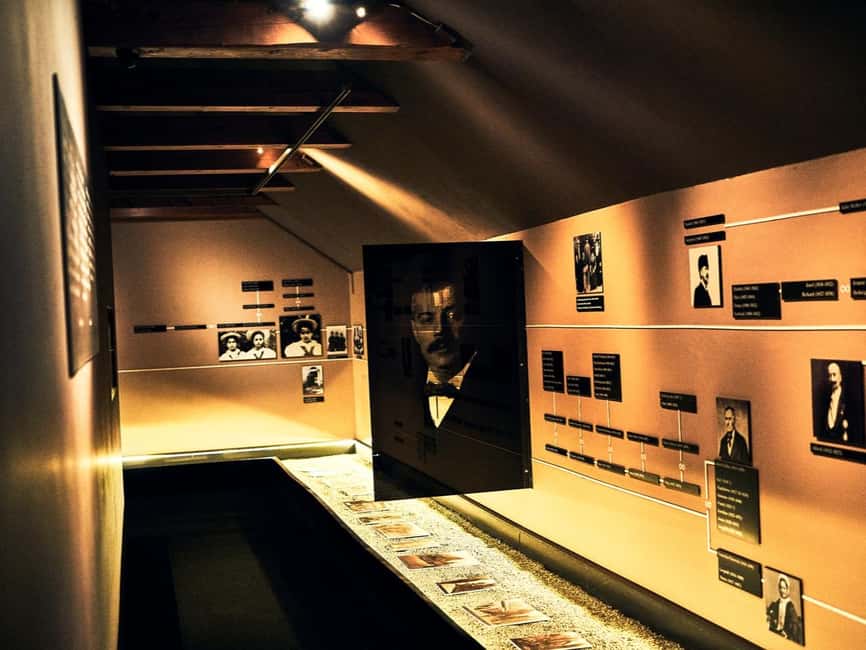
Your visit begins with Kafka’s work and life laid out through primary materials. The museum highlights rare historical documents such as first editions, personal correspondence, diaries, and manuscripts. This is the part of the visit that turns Kafka from an idea into a physical reality.
Here’s why I think this matters: when you see a writer’s notes, drafts, or handwritten pages, Kafka stops being an abstract label. You can sense the human process—someone writing under strain, thinking, revising, trying to make language do the job of expressing something that doesn’t behave.
You’ll also notice the museum isn’t only focused on publishing success or famous titles. It treats the documents as evidence of a mind working through obligations, expectations, and inner anxiety. Even if you’re not a “serious literature” person, it’s hard not to appreciate the craft and the pressure that comes through when you’re looking at material tied directly to Kafka’s life.
Prague through Kafka’s eyes: photos, drawings, and context
Next, the museum brings in photographs and drawings that capture Prague in Kafka’s time. This part helps you connect the mental fog of Kafka’s themes to a real place with real streets and architecture.
Why this is more than decoration: if you’ve ever read Kafka and felt like the city is kind of… off, this museum helps explain the feeling. It gives you visual context for the environment Kafka lived in, which can make his settings feel less mysterious and more specific. You’re not forced to memorize dates. You’re given the sense of a time and a city—useful if you want the “why” behind the atmosphere.
Tip from how I’d approach it: slow down with the images that show the feel of daily life. Kafka’s worlds often seem institutional and tense, and these visuals help you see where that tension could come from—social structures, routines, and the sort of atmosphere a person can’t escape.
The museum path feels symbolic on purpose
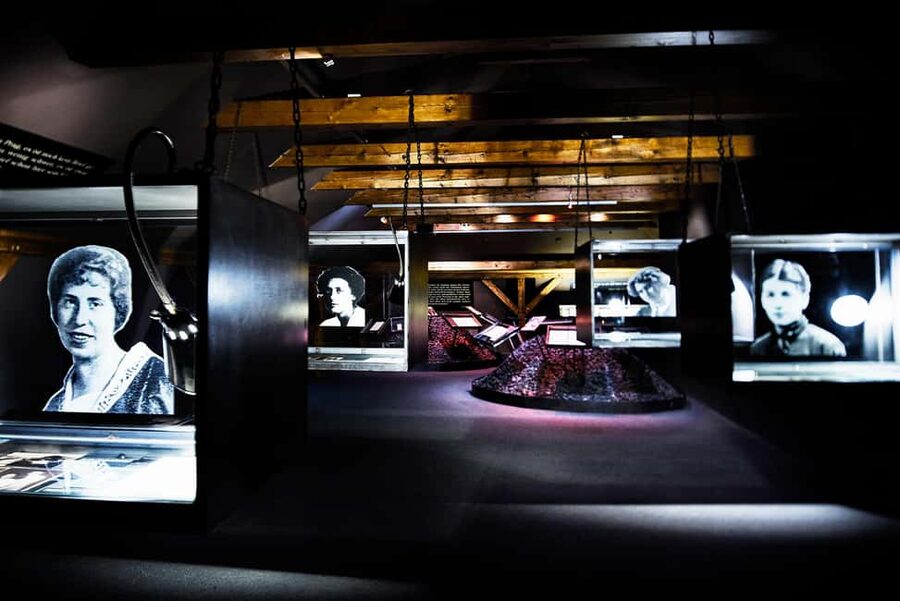
A major part of this experience is the way the exhibition is designed as a symbolic journey through themes like existential anxiety, alienation, and absurdity. You’re not following a straight lecture route. Instead, the museum guides you through the emotional logic of the work.
That design choice is a practical one. It matches Kafka’s style. His stories often work like puzzles where the rules are unclear and the emotional temperature is constant. A symbolic layout gives you a better chance of understanding that effect—without needing to translate everything into plot points.
The museum also includes three-dimensional exhibits and a sequence of audiovisual installations. These elements are key if you want to experience Kafka rather than just observe him. The goal isn’t “special effects.” It’s mood and meaning.
Skip the queue. More entry tickets and passes for Prague.


Audiovisual installations: when Kafka becomes experiential
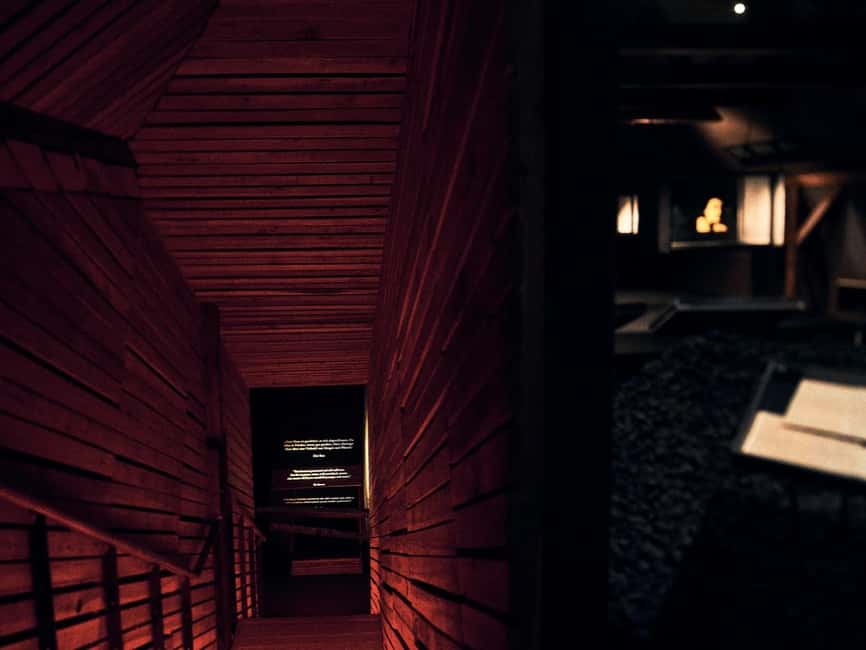
The audiovisual installations are one of the headline reasons to buy this ticket. If you’re the type of visitor who thinks museum tech is usually gimmicky, you’ll want to approach these with a simple rule: judge them by whether they help you grasp Kafka’s themes.
From what the museum offers, the installations are meant to express Kafka’s inner world and the atmosphere of early 20th-century Prague. That suggests you’ll encounter sound and media designed to set a psychological tone, not just to repeat textbook facts.
I like that the experience uses multiple senses. Kafka’s themes can feel slippery when you’re only reading. When the museum adds audiovisual layers, it becomes easier to understand why his work feels tense, unstable, and strangely formal at the same time.
Also, since the ticket includes access to these installations, you’re not nickel-and-diming your way to the “real” part. You get the full experience as part of the entry.
New-to-you exhibits: materials that have never been displayed
One of the more exciting-sounding elements is that you may see works that have never been displayed before. Even if you’re not a collector mindset person, that matters. It changes the visit from “been there, read that” into “this is what’s happening now.”
This is also why the museum works well for a repeat-visitor type of traveler. If you’ve already done major Kafka-related spots in Prague, this museum’s emphasis on rare, newly showcased pieces is exactly what could keep it from feeling redundant.
If this is your first time with Kafka in Prague, those never-displayed-before items give you a stronger sense that you’re seeing something deeper than a standard cultural stop.
The exclusive soundtrack: music composed for the museum
The exhibition includes music composed exclusively for the Kafka Museum. That means the soundscape is tied to the space and themes rather than being generic background music.
Sound matters in museums, but here it’s likely doing more than filling quiet. Kafka’s work often carries a feeling of inevitability, dread, or surreal logic. Music can reinforce that emotional structure. It can also keep the symbolic journey cohesive—so your attention stays in the intended headspace.
If you’re sensitive to audio, take it at your own pace. Some installations may feel intense. The good news: you control your movement, and you can spend longer where you want and step back if you need a breather.
Ending the visit: influence and personal struggle
The museum wraps up with a deeper look at Kafka’s influence on modern literature and his personal struggles with societal expectations and inner anxieties. This final section is useful because it connects the artifacts and the symbolism back to real-world impact.
I like endings that don’t just say Kafka mattered. This one aims to show why he mattered—how his anxieties became a language other writers could use. That’s a big deal for readers who’ve felt Kafka’s influence without fully understanding the source.
If you walk in thinking Kafka is only famous, you’ll likely leave understanding him as someone whose inner life shaped an entire 20th-century way of writing.
Price and value: is $14 worth it?
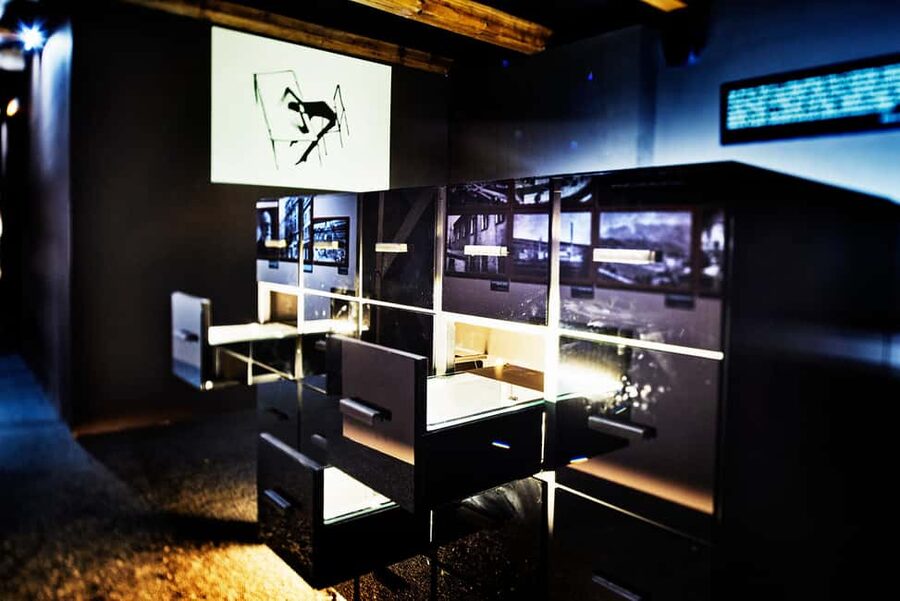
For $14 per person, the price feels fair when you look at what you get. Your ticket includes:
- Entry to the Kafka Museum
- Access to audiovisual installations
- Viewing of rare manuscripts and exhibits
That combination is where the value sits. Many museum tickets cover objects but leave you to fend for yourself on the experience side. Here, the museum builds its meaning through multisensory design, and the ticket includes that layer.
Also, you’re not paying for a guided tour. That can be a plus if you prefer going at your own pace through documents and installations. It can be a minus if you want someone to talk through context as you go. Either way, the price matches the format: self-directed, immersive, artifact-focused.
How to fit it into a Prague day
This is listed as a 1-day ticket, and you’ll want to check availability to see starting times. In practical terms, that means you should plan your visit window early enough that you’re not rushing. The museum’s exhibition is not the kind you “speed through” and still get value.
I’d pair it with other Lesser Town or riverside stops, because the location in Hergetova Cihelna makes sense as part of a walk along the Vltava. You’ll get a nice rhythm: Prague outside, Kafka inside.
One more practical thought: since meals and beverages aren’t included, plan to eat before or after you go. A Kafka museum visit works better when you’re not thinking about food every few minutes.
Who this museum is best for (and who should think twice)
This experience is a strong match if you:
- Like museums that use objects plus atmosphere
- Want rare material: manuscripts, diaries, correspondence, and first editions
- Enjoy literary themes when they’re translated into space, sound, and visuals
- Want a Prague connection via photos and drawings from Kafka’s time
It may be less ideal if you:
- Only want straightforward historical facts with a guide
- Prefer museums that focus on buildings, landscapes, and city views over psychological themes
- Dislike audio and audiovisual installations (you might find parts of the exhibition intense)
Quick practical notes before you go
This ticket is self-guided since guided tours aren’t included. Languages aren’t clearly specified in the info you provided, so I’d expect the safest approach to be: be ready to read exhibit text and follow the museum flow at your pace.
The experience provider is Muchovo muzeum, s. r. o. If you need confirmation for entry day details, that provider name is useful when matching your booking with the museum’s system.
Should you book the Kafka Museum ticket?
Yes, if you want Kafka in a format that goes beyond reading quotes. The mix of rare documents, Prague-era visuals, and audio/visual installations gives you a fuller experience than most literature stops.
I’d skip or rethink if you hate symbolic, mood-driven exhibitions or you need a live guide to get value out of museums. But if you’re comfortable exploring on your own—and you like the idea of Kafka’s anxiety translated into sound, images, and artifacts—this ticket is a solid use of your Prague time.
FAQ
Where is the Kafka Museum in Prague?
The Kafka Museum is in Hergetova Cihelna on the Lesser Town bank of the Vltava River.
How much does the ticket cost?
The entry ticket is $14 per person.
How long is the activity valid?
The ticket is valid for 1 day.
What should I expect inside the museum?
You can expect a symbolic journey through Kafka’s themes, including audiovisual installations, rare manuscripts and exhibits, and visuals such as photographs and drawings of Prague in Kafka’s time.
Does the ticket include audiovisual installations?
Yes. Access to audiovisual installations is included with the entry ticket.
Are rare manuscripts and first editions included?
Yes. The experience includes viewing of rare manuscripts and exhibits, including first editions and other historical documents mentioned in the experience description.
Is a guided tour included?
No. Guided tours are not included with this ticket.
Is music included as part of the museum experience?
Yes. The museum features music composed exclusively for the Kafka Museum.
Are meals or drinks included?
No. Meals and beverages are not included.
What is the cancellation policy?
Free cancellation is available up to 24 hours in advance for a full refund, and you can reserve now and pay later.
Are there starting times?
Yes. The ticket is valid for 1 day, and availability to see starting times is part of the booking information.
More Tour Reviews in Prague



More Prague Tickets & Passes
More Prague Museums & Galleries



More Prague tours we have written up lately


Prague Museums & Galleries, compared.
 ★ 4.5Klementinum Library & Astronomical Tower Guided TourFrom $185,050 reviews
 ★ 4.3Museum of Fantastic Illusions Entry TicketFrom $174,337 reviews
 ★ 4.3Petřín Tower and Mirror Maze Entry TicketFrom $142,294 reviews
 ★ 4.2IAM Illusion Art Museum Entry TicketFrom $161,664 reviews
 ★ 4.0Museum of Senses Admission TicketFrom $181,445 reviews
 ★ 5.0IAM Illusion Art Museum Prague Fast Pass TicketFrom $13957 reviews
 ★ 4.5Admission Ticket to Museum of Senses in PragueFrom $19861 reviews
 ★ 4.2Museum of Bricks Entry TicketFrom $14851 reviews
Browse the lists this tour appears in