
REVIEW · OLD TOWN & ASTRONOMICAL CLOCK
Small Group Prague Old Town and Jewish Quarter Walking Tour
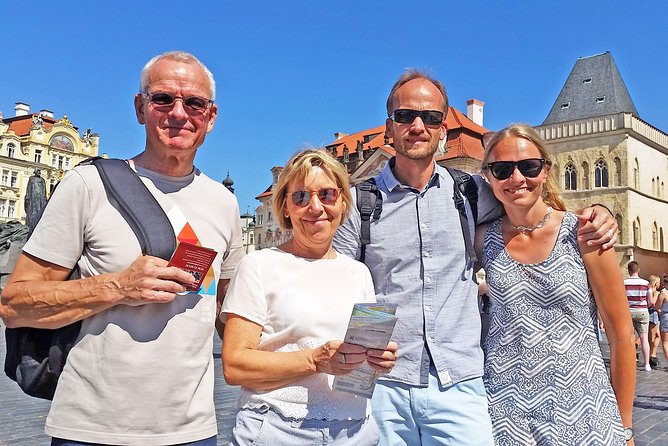
Prague hides in side streets. This is a 2.5-hour, small-group Old Town and Jewish Quarter walking tour that uses Prague’s smallest lanes to explain why the big sights look the way they do, with a British expat guide and time to appreciate the Astronomical Clock.
I especially like the relaxed pace and the chance to ask questions with a group capped at six. I also like how the tour mixes major landmarks (Old Town Hall and the Clock) with Jewish Quarter stops such as the Pinkas Synagogue and the Spanish Synagogue, plus practical pointers for what to look for and how to skip lines where possible.
One thing to consider: it’s still a walking tour in real city weather for roughly 2.5 hours, so wear good shoes and plan for cold or rainy conditions.
In This Review
- Key highlights you’ll actually feel on this walk
- Why Old Town looks confusing until someone explains the lanes
- Where you start: Staroměstské nám. and why that’s a smart launch point
- The first walk: little streets, courtyards, and Stolpersteine context
- Pinkas Synagogue area: more than a photo stop
- Old Town Hall and the Astronomical Clock: how to watch it without guessing
- Jan Hus square: Czech reform movements and the Marian Column story
- Churches, Gothic details, and the changing face of worship
- A building-story stop: names through time and the Czech-language twist
- Havelská Street Market: an old market footprint, smaller than before
- Chimney cake: how to order and eat it like a Czech
- Price and value: $22.99 for a lot of “understanding per step”
- What the group size really changes for you
- Who should book this tour
- Should you book the Small Group Prague Old Town and Jewish Quarter Walking Tour?
- FAQ
- How long is the Prague Old Town and Jewish Quarter walking tour?
- What is the group size?
- Is the tour offered in English?
- Where do I meet the guide?
- Do I get a mobile ticket?
- Are service animals allowed?
- What are the cancellation terms if I need to change plans?
Key highlights you’ll actually feel on this walk
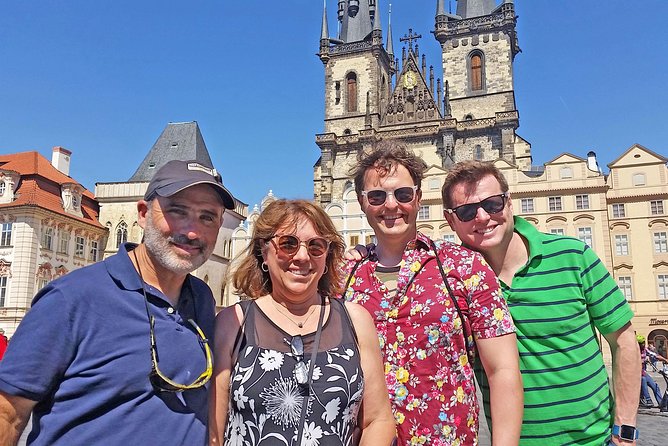
- Max 6 people means you can hear the guide and ask questions without shouting over a crowd.
- Stolpersteine (Stumble Stones) get real context, not just a quick mention.
- Jewish Quarter stops are explained with what you’re seeing, why it exists, and how it’s used today.
- Old Town Hall and the Astronomical Clock become understandable, including when and where to watch procession activity.
- Local food and drink tips, including directions to a popular beer garden and how to eat that famous pastry called chimney cake.
- Guides are British expats in Prague for years, with names like Jason or Jans showing up in past groups.
Still circling the Old Town? More of the square and its lanes, reviewed.
- Prague: Oldtown, Medieval Underground & Dungeon History Tour★ 4.3 · 10,277 reviews
- Prague: Old Town Hall Tower Entry Ticket★ 4.5 · 6,749 reviews
- Prague: 3-Hour Walking Tour of Old Town & Prague Castle★ 4.7 · 5,696 reviews
- Prague: 3-Hour Old Town and Prague Castle Tour in German★ 4.8 · 5,671 reviews
Why Old Town looks confusing until someone explains the lanes
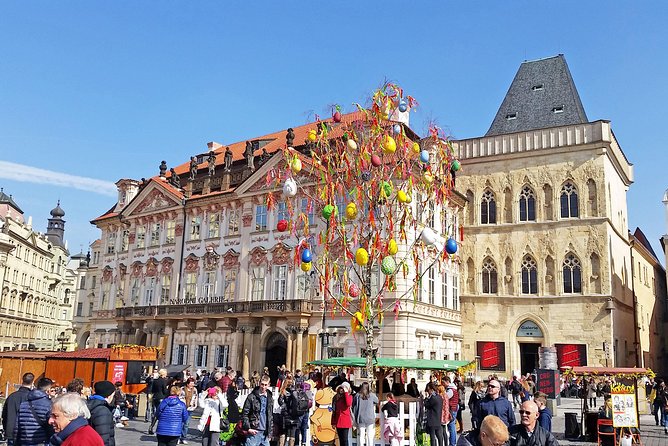
Prague’s Old Town can feel like a postcard until you walk a few blocks off the main routes. Then you notice passageways, tiny courtyards, and alley shapes that look random—until you understand what they were built around and who used them. That’s the core idea here. The tour starts by helping you read the city, not just photograph it.
You also get a religious-historical framework for the Jewish Quarter. That matters because the neighborhood isn’t just a set of buildings. It’s a living “layer cake” of time: older structures, later uses, and the way communities were shaped by rules, politics, and identity. With the guide’s long-term perspective, those connections click faster than they do when you’re on your own with an audio app.
I also like the structure. You get repeated mini-brackets of context—what this place is, what it used to be, and what you should watch for next—so you don’t feel lost while moving through crowd-heavy Prague 1.
Where you start: Staroměstské nám. and why that’s a smart launch point
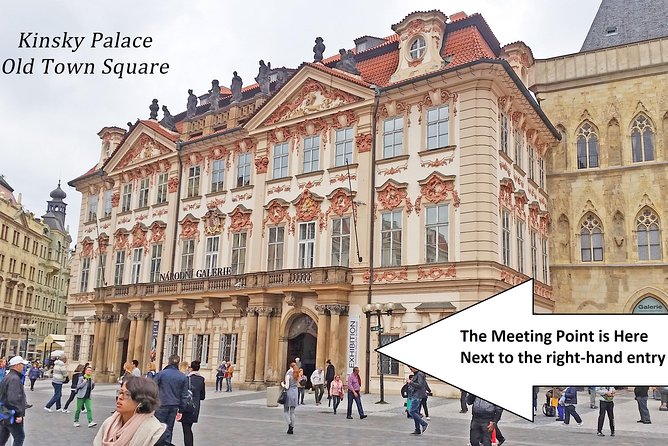
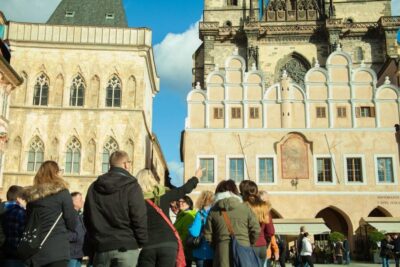
You meet at Staroměstské nám. 12, in Prague 1, and the tour ends back near the start. That’s not just convenient. It sets you up to see how the Old Town Square area connects to the Jewish Quarter and back again.
From this meeting point, you’re positioned to understand:
- how major civic landmarks sit near smaller religious ones
- how streets funnel people in certain directions
- why some buildings face square life while others hide behind courtyards and narrow openings
It’s also easy to plug into the rest of your day, whether you’re doing museums, walking the river later, or hunting dinner nearby.
The first walk: little streets, courtyards, and Stolpersteine context
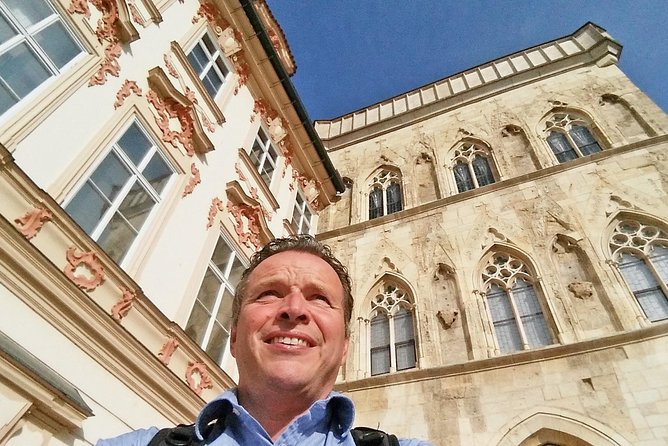
Early on, you’re guided through the kinds of spaces big groups can’t comfortably use. This part is about why the Old Town looks the way it does—small streets, passageways, alleyways, and those tucked-in courtyards that don’t scream attraction but quietly shape the whole experience.
You’ll also get introduced to Stolpersteine (Stumble Stones). These small memorial markers can be easy to gloss over if you just treat them as art. Here, they’re framed as part of a larger story of memory in public space. Even if you’ve seen photos before, the explanation helps you notice them correctly while you’re walking.
This section also includes a bunch of “street reading” tips:
- how to interpret building identifiers you’ll see on facades
- how design styles can hint at periods of Prague’s development
- a quick Czech language mini-lesson to help you catch bits while you travel
And yes, you also pick up practical local advice—food and drink recommendations come up here and keep showing through later.
Pinkas Synagogue area: more than a photo stop
Then you shift into the Jewish Quarter core. Expect several structured stops tied to specific sites and what to look for in each one.
You’ll cover major locations such as:
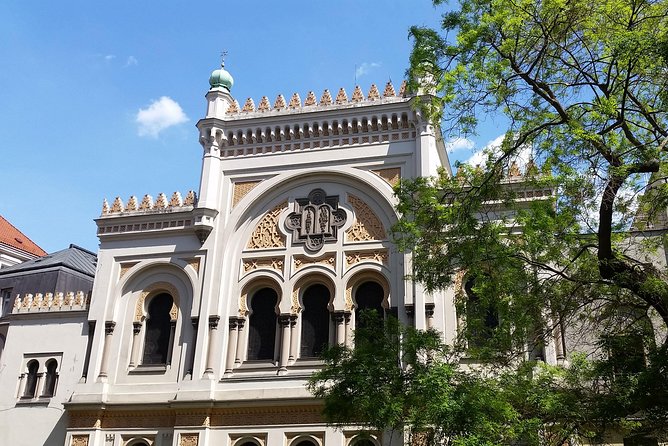
- Pinkas Synagogue
- Old Jewish Cemetery
- Ceremonial Hall
- Klausen Synagogue
- Old/New Synagogue
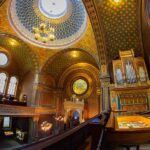
- the Spanish Synagogue
The tour doesn’t treat these as stand-alone buildings. It connects them. For each place, you get concise history plus the modern day function, along with tips on how to interpret what you’re looking at while you stand there.
Two practical benefits matter here:
- Line-skipping pointers. The plan includes guidance on how to reduce waiting so you lose less time in queues.
- What to look for, not just what it is. You’ll be told where to focus your attention while you’re inside or near key features.
This is especially useful if you’re short on time in Prague. A single 2.5-hour walk can make the Jewish Quarter feel organized instead of a blur of doorways and names.
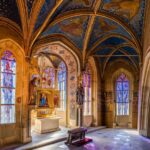
Deeper into Josefov, and more of the Jewish Quarter synagogues.


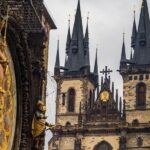
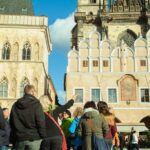
Old Town Hall and the Astronomical Clock: how to watch it without guessing
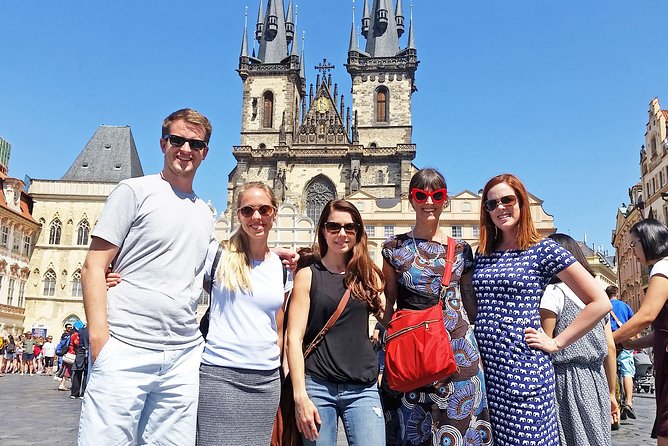
Old Town Hall and the Astronomical Clock are iconic for a reason, but they can also be frustrating if you don’t know what you’re looking at. This part fixes that.
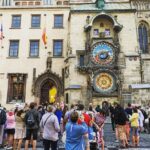
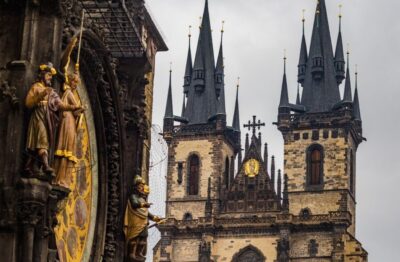
You learn how the Old Town Hall first opened and why the Astronomical Clock became a centerpiece. Then you get a practical walkthrough of how the Clock works—so the show isn’t just pretty mechanics. It becomes understandable, even if you’re not a clock-nerd.
You’ll also get viewing tips for the apostle procession. The tour specifically includes guidance on where best to watch it, which helps you avoid the classic problem: you stand in the wrong spot and spend the moment craning your neck.
If you care about getting the moment right, this section is one of the main reasons to take a guided walk instead of doing it independently.
Jan Hus square: Czech reform movements and the Marian Column story
Next comes a powerful historical pivot around Jan Hus, plus the broader Hussite movement and Czech reformist currents. This doesn’t feel like a lecture because it’s tied to what you’re seeing in the square and nearby landmarks.
You’ll learn:
- who Jan Hus was and why his story mattered
- how reform movements evolved in Czech lands
- how the square’s symbolism developed over time
You’ll also hear about the Marian Column, including what it used to be used for and why it isn’t there anymore. That piece is the kind of “small detail with big meaning” that makes a city feel real. When you know what stood there before, today’s view stops looking random.
For me, this section is where the tour goes from sightseeing to understanding. It’s not about memorizing dates. It’s about recognizing how public spaces change meaning as power and beliefs change.
Churches, Gothic details, and the changing face of worship
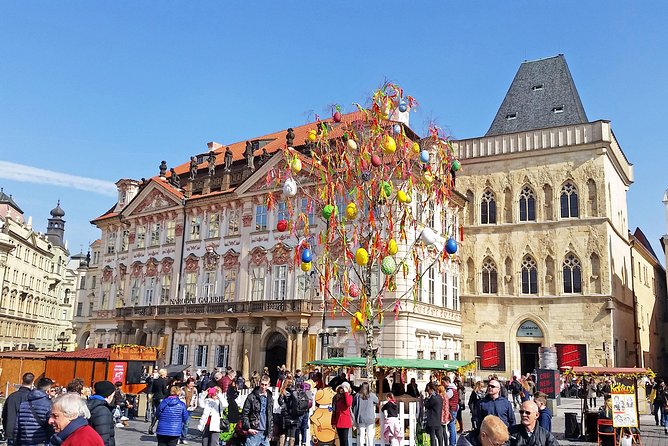
As you continue, you’ll visit the kind of church stop that’s worth more than a quick exterior glance. The tour focuses on style, why the church is here, and what to look for from a design standpoint.
You’ll get an overview that includes:
- how the style reads as Gothic (and what features to notice)
- how the church’s denomination changed over the years
- how to get into the church and what opening times can look like
The guide also shares a first look at the last census data, which adds a modern “who lives around here now” layer to buildings that might otherwise feel frozen in time.
One practical note: church interiors can be quiet and dark-ish compared with the square. Having someone point out what matters helps you actually see the structure instead of just walking through.
A building-story stop: names through time and the Czech-language twist
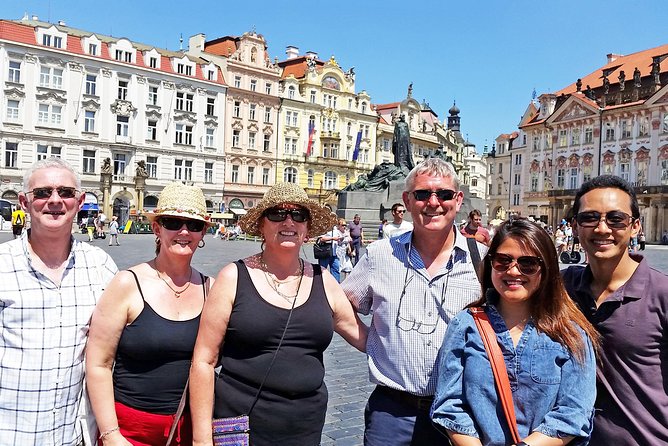
The walk also includes a stop built around a place’s changing identity. Here, you’re told:
- why it was built
- who built it
- how it has had different names over the years
- a specific note about why Czech language performances were not allowed here
- what the site is best known for (its claim to fame)
This is one of those Prague details that sounds like trivia until you realize what it reveals about power, language, and cultural control. You’ll come away with a better sense of why certain public spaces behaved differently for different communities.
Havelská Street Market: an old market footprint, smaller than before
Between passageways, you reach Havelska Street Market, one of the oldest markets in Europe. The tour frames it in context: when it opened, why you might want to come, and why it’s only about 10% of its original size today.
That last part matters. It’s a reminder that historic centers shrink, rebuild, and renegotiate themselves. Even if the market you see now feels smaller, the location still tracks centuries of everyday commerce.
If you want something to pair with later wandering, this is where you get it. It’s a good place to spot local rhythm—especially if you like the “daily life” side of travel.
Chimney cake: how to order and eat it like a Czech
Yes, there’s a food moment. You’ll hear about the cake often called chimney cake, and you’ll get tips on how Czechs prefer to eat it.
That’s more useful than it sounds. Street snacks can be one of those experiences where visitors just hold it and wait for the perfect bite. The guide’s instructions help you avoid the mess and enjoy it correctly.
For practical value: bring cash or check local payment norms on the spot, then treat it as a mid-walk reward, not a meal replacement.
Price and value: $22.99 for a lot of “understanding per step”
At $22.99 per person for about 2 hours 30 minutes, this tour is priced like an introductory walk that still gives you serious returns. You’re paying for:
- a small group format (maximum of 6 travelers)
- a guide who’s been living in Prague long enough to explain details beyond guidebook level
- multiple major highlights: Old Town Hall, the Astronomical Clock, and a cluster of Jewish Quarter sites
- line-skipping pointers and specific viewing tips, which can save you time in the exact places people typically lose time
The value isn’t just quantity. It’s how the tour links the scenes. When you learn why a courtyard exists, why a memorial marker is there, and why a square symbol changed, you stop treating each stop as a separate checklist item.
What the group size really changes for you
A cap of six people may sound small on paper, but it changes the walk in real ways:
- you can ask questions without breaking the flow
- the guide can adjust explanations when you look unsure
- you spend more time listening and less time trying to hear
In previous groups, the guides have been friendly and quick with humor (very British style), which keeps the pace light even when the topics get serious.
Who should book this tour
This is a good fit if you:
- want a strong introduction to Prague 1 and the Jewish Quarter
- like architecture and city layout as much as big monuments
- want to understand religious-historical context without turning it into a dense academic session
- appreciate practical tips, like where to stand for the Clock show moment and what to eat afterward
If you prefer huge, famous-name landmarks only, you might find the small streets more absorbing than you expected. If you’re hoping for a purely trauma-focused historical lecture, you may want to pair this with other materials—because the tour is framed through religious and cultural history as well as place-based stories.
Should you book the Small Group Prague Old Town and Jewish Quarter Walking Tour?
I’d book it if this is your first serious visit to Old Town and you want the city to make sense fast. The best part is the way the tour teaches you to see: side streets become clues, synagogues become context, and the Astronomical Clock becomes something you can actually follow.
Skip it only if you hate walking, or if you already know the Old Town and Jewish Quarter story so well that you’re only looking for a photo escort. Otherwise, this is a strong way to get oriented and leave with a practical plan for the rest of your Prague days.
FAQ
How long is the Prague Old Town and Jewish Quarter walking tour?
It’s about 2 hours 30 minutes.
What is the group size?
The tour has a maximum of 6 travelers.
Is the tour offered in English?
Yes, it’s offered in English.
Where do I meet the guide?
You meet at Staroměstské nám. 12, 110 00 Praha 1-Staré Město, Czechia, and the tour ends back at the meeting point.
Do I get a mobile ticket?
Yes, it includes a mobile ticket.
Are service animals allowed?
Yes, service animals are allowed.
What are the cancellation terms if I need to change plans?
Free cancellation is available up to 24 hours in advance for a full refund. If you cancel less than 24 hours before the start time, the amount paid is not refunded.
On Foot Through Prague, Continued

Keep Exploring the Jewish Quarter

The Old Town, A Few More Ways
More Prague tours we have written up lately



Old Town & Astronomical Clock, compared.
 ★ 4.3Oldtown, Medieval Underground & Dungeon History TourFrom $3110,277 reviews
 ★ 4.5Old Town Hall Tower Entry TicketFrom $216,749 reviews
 ★ 4.73-Hour Walking Tour of Old Town & Prague CastleFrom $305,696 reviews
 ★ 4.83-Hour Old Town and Prague Castle Tour in GermanFrom $365,671 reviews
 ★ 4.5Prague Old Town, Medieval Underground and Dungeon Historical TourFrom $323,227 reviews
 ★ 4.8Old Town and Jewish Quarter Guided Tour in GermanFrom $293,143 reviews
 ★ 4.5Ghosts and Legends of the Old Town Evening TourFrom $213,091 reviews
 ★ 4.6Old Town and Jewish Quarter Guided Walking TourFrom $222,847 reviews
Browse the lists this tour appears in