
REVIEW · PRAGUE WALKING TOURS
Private Prague Introduction Walking Tour
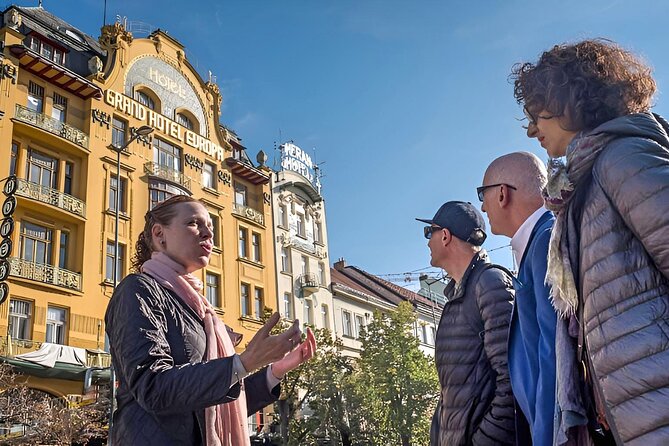
Prague hits you fast, and this tour gives you the map. A private historian-led walk threads Old Town Square, the Jewish Quarter area, and the New Town sights, tying medieval streets to the Czech story you’ll hear today. I especially like that the guide work is hands-on: you can ask questions, and the pace stays flexible for your group. The walk also ends with classic Vltava River views toward Prague Castle, so you finish with images you’ll actually remember.
Two things I really like: first, the itinerary mixes big-name landmarks with the political and religious ideas that shaped them, so the city makes sense instead of feeling like postcard bingo. Second, the guide attention is genuinely personal, which matters when you’re trying to understand Prague’s multicultural layers without getting lost. The possible drawback is simple: with lots of stops in about three hours, it’s not a slow stroll. If you want frequent long breaks or lots of time to linger inside every building, you may feel a bit rushed.
In This Review
- Key highlights at a glance
- A private historian route through Prague’s Old and New Towns
- Old Town Square start: clocks, towers, and medieval politics
- Church stepping stones: Gothic meets the Reformation story
- New Town and Václavské náměstí: empire, Enlightenment, and Czech identity
- St. Nicholas, Jan Hus, and the Kafka moment by David Černý
- Parižská Street and Jewish Quarter context, then down toward the Vltava
- Value and group price: what $367.61 per group gets you
- Walking comfort, timing, and how to choose morning vs afternoon
- Who this tour is best for (and who should skip it)
- Should you book this private Prague introduction walk?
- FAQ
- How long is the Private Prague Introduction Walking Tour?
- How many people is the tour for?
- Where do you meet and where does the tour end?
- Is pickup included?
- Are tickets or admissions included?
- What about food and drinks?
- Can I choose a morning or afternoon departure?
- Is there free cancellation?
Key highlights at a glance
- Historian guide focus on how Prague changed over time, from medieval eras to modern political life
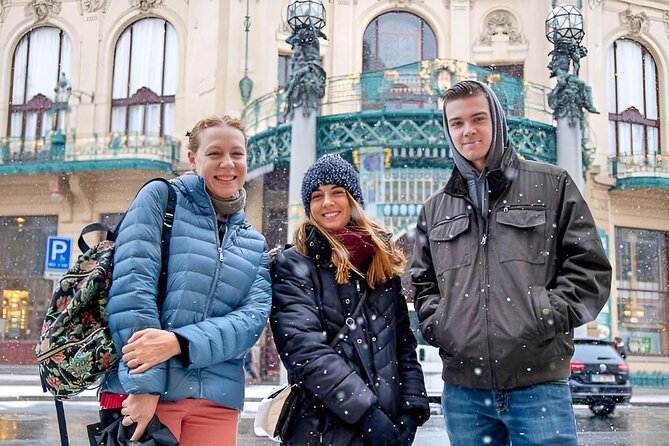
- Private group experience for up to 10 people, so you’re not squeezed into someone else’s pace
- Old Town Square to New Town routing that connects architecture to the people who built and fought over it
- Jewish Quarter area context via points along Parižská Street, including the story of the ghetto’s destruction
- Charles Bridge and the Reformation trail that links Gothic stonework with major religious turning points
- Franz Kafka’s kinetic statue stop, plus a finish near the Vltava River for photo-ready views
Prefer to cover it on foot? More Prague walks across the old lanes.
- Prague: 3-Hour Walking Tour of Old Town & Prague Castle★ 4.7 · 5,696 reviews
- Prague: Ghost Walking Tour Where Legends Come To Life★ 4.4 · 5,253 reviews
- Prague: Jewish Quarter Walking Tour with Admission Tickets★ 4.7 · 3,729 reviews
- Prague Guided Walking Tour and Cruise with Authentic Czech Lunch★ 5.0 · 3,627 reviews
A private historian route through Prague’s Old and New Towns
This isn’t just a checklist of pretty buildings. It’s a guided storyline. You’ll start in the core of Old Town, then sweep through New Town and major squares, with the guide explaining not only what you’re seeing, but why it mattered when Prague was growing into one of Central Europe’s power centers.
The tour is private for your group (up to 10), which changes everything about comfort and flow. You can ask for clarification in real time, and you’re not stuck waiting for a tour pack rhythm. That matters on a city like Prague, where streets seem charming until you learn what happened on those same corners—politics, faith shifts, wars, and waves of culture.
One more practical note: you’re walking between sights that are close enough to do on foot, but the route still adds up. So I’d treat this as active sightseeing. Plan for comfortable shoes, water, and a quick snack strategy if you’re the kind of person who gets cranky without one.
Old Town Square start: clocks, towers, and medieval politics
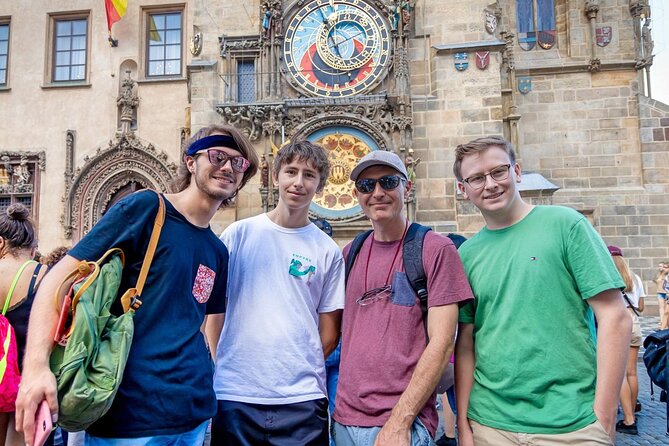
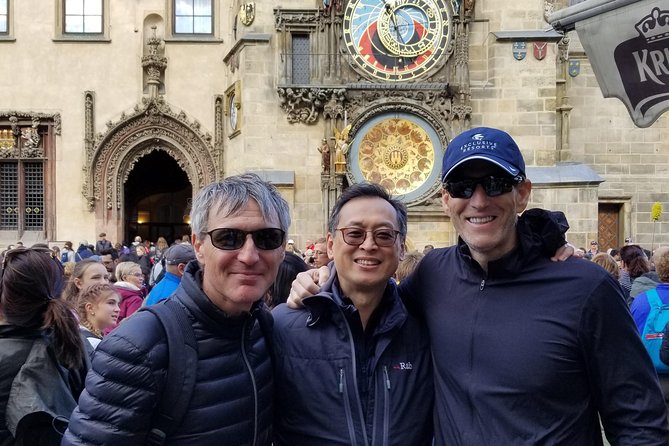
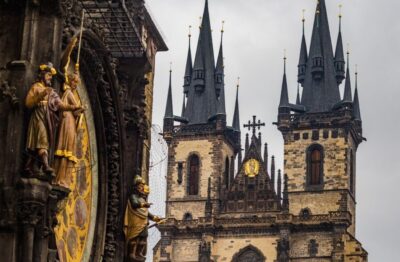
Your meeting point lands in Malá Strana, then you’re guided into the historic heart of Prague. The tour begins at the Old Town Hall with the Astronomical Clock, where the focus is symbolism as much as mechanics. You’ll talk about what the clock represents and how it connects to the identity of the city square. It’s a great first stop because it sets the tone: this is a place where time, power, and public life overlap.
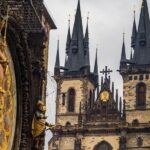
From there, you’ll move to Church of Our Lady before Týn. This is where the guide’s architecture talk becomes useful. You’ll look at the church’s late Gothic character and compare it to the St. Nicholas church across the square—so you start noticing how style can reflect different eras and attitudes, even when landmarks sit side by side.
Then you’re back in Old Town Square, which is the real “stage.” You’ll hear about its long timeline—about a thousand years of market life, governance, and architecture. If you’ve ever stood in a European square and wondered why it felt like politics lived there, this is where you’ll get the answer. The square wasn’t just scenery. It was the place where authority and public life collided.
A small practical advantage: these first stops are listed with free admission tickets, which keeps the focus on walking and learning, not time spent buying timed-entry or digging for payment confirmations.
Church stepping stones: Gothic meets the Reformation story
After Old Town Square, you head toward major Gothic and religious touchpoints that explain why Prague got so many layers in its belief system.
Charles Bridge is the natural anchor. You’ll discuss its 600+ years of history and how the bridge’s line of Baroque statues of saints became part of its identity. The guide also frames the bridge as more than a crossing—something that helped shape how people moved and how Prague presented itself. If you’ve got limited time in Prague, I like using Charles Bridge as a “historical hinge,” because it helps your brain organize what comes next.
Next you’ll visit Bethlehem Chapel, tied to Jan Hus and the chain of events that fed into the Protestant Reformation. This is a stop where the tour’s “history as ideas” approach really pays off. You’re not only looking at a building; you’re learning how one figure’s role helped steer broader religious conflict and reform currents.
Then you’ll continue to St. Giles Church. The discussion here links Czech religious wars with the push-and-pull of Reformation and Counter-Reformation. You’ll look at the Baroque interior elements in a Gothic church, which is a strong visual way to understand how religious power played out in art and design—not just in politics.
If you’re trying to understand Prague without turning it into a museum day, this stretch does that job well. You get architecture, yes. But you also get cause-and-effect.
New Town and Václavské náměstí: empire, Enlightenment, and Czech identity
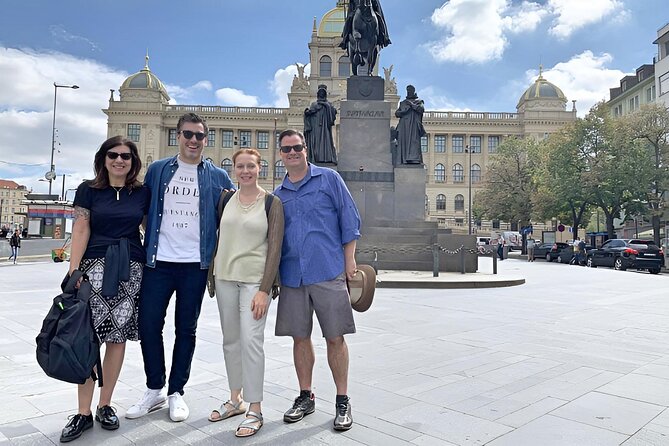
Once you leave the oldest core behind, the tour shifts gear toward the New Town story—and the feeling changes. You’ll spend time at Nove MEsto, with the guide discussing its 600+ years of history and its relationship to Prague as the capital of the Holy Roman Empire. This is important context. It helps you understand why Prague’s grand building ambitions weren’t random—they were tied to status, rulers, and shifting influence.
From there, you’ll go to Václavské náměstí, the big-name square most visitors recognize instantly. The tour uses it as a lens for broader Czech history, not just what’s happening in the present day. Even if you’ve walked through the area before, a guided explanation can make the square feel like a timeline you’re standing on.
Then comes Theatre Des Etats, where the guide connects Prague to Mozart and to the wider Age of Enlightenment. This is a nice reset because it’s less about churches and wars and more about culture, ideas, and institutions—how a city influences what artists and thinkers can do.
After this section, you should feel less like you’re collecting facts and more like you’re building a mental model of Prague: medieval power, religious conflict, imperial ambition, then the modern identity that follows.
Keep walking. More of Prague at street level.
St. Nicholas, Jan Hus, and the Kafka moment by David Černý
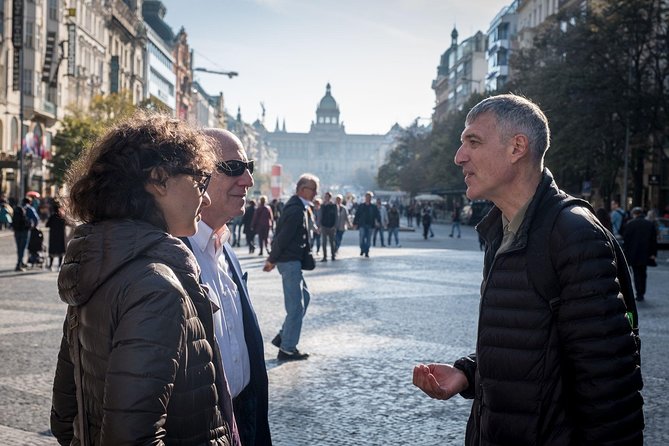
Two stops in this section make the guide’s focus on cause-and-effect especially clear.
First is St. Nicholas Church, discussed through the lens of religious reversals of fortune and the roles of Baroque and Gothic architecture. This isn’t architecture talk for its own sake. It’s about how styles got chosen—sometimes because belief shifted, sometimes because power did.
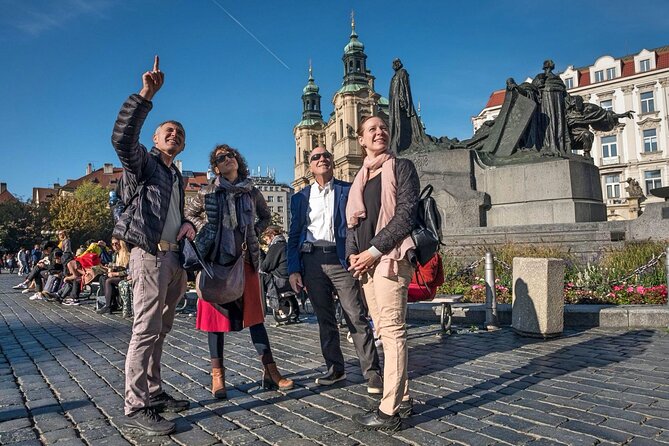
Then you’ll reach the Jan Hus Monument, tied to Hus’s revolutionary role in the development of European Christianity, plus what that meant across the Czech lands. This is the kind of stop that works best if you’re open to a guided conversation rather than only photo-taking. The guide can help you connect the religious story you heard earlier to the political and cultural fallout that followed.
Finally, the tour adds a modern punch with a short stop for the Franz Kafka Statue—the kinetic, rotating bust-like sculpture by Czech artist David Černý. It’s brief (listed at about 5 minutes), but it’s exactly the right reminder: Prague doesn’t only tell its story through medieval stone and baroque altars. It keeps arguing with the past through art you can watch move.
Parižská Street and Jewish Quarter context, then down toward the Vltava
This is one of the most important segments. You’ll make a stop at Parižská Street, and the guide discusses the history of the Jewish Quarter of Prague and the destruction of the Jewish Ghetto. It’s not a “quick history fact.” The tour frames this part of the city as a real part of Prague’s story—one that helps you understand why some streets and buildings hold memory differently than others.
I appreciate that the tour doesn’t isolate this as a single tragic detour. It’s placed within the bigger sweep of Prague’s changing power and multicultural identity. If you’ve struggled to grasp how Central Europe’s history can feel complicated in one city block at a time, this stop usually does a lot of work for your understanding.
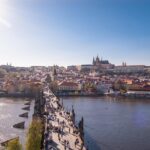
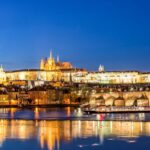
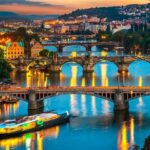
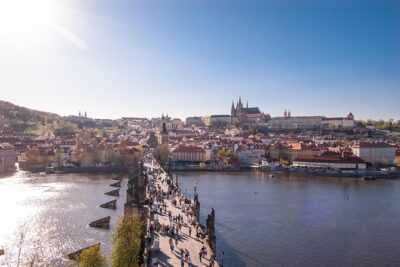
Then you finish on the banks of the Vltava River, with photo-worthy views of Prague Castle. Even if your camera roll is already full, you’ll want at least one or two photos here—because it’s the view that makes Prague feel like Prague.
Value and group price: what $367.61 per group gets you
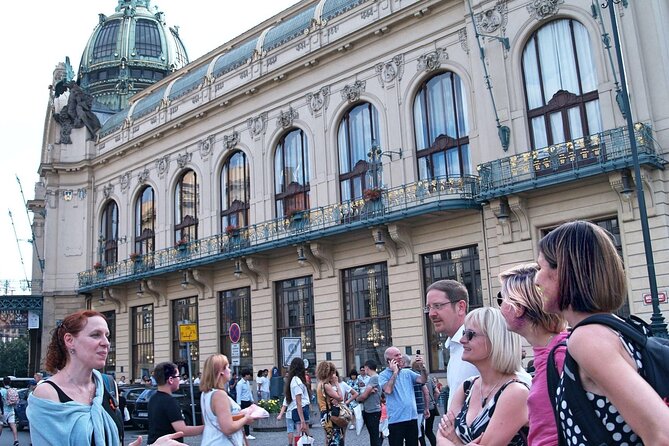
The price is listed as $367.61 per group for up to 10 people, and the tour runs about 3 hours. For a private historian-led experience, that pricing can actually be good value if you’re traveling with a small group or family.
Here’s the practical way to think about it:
- If you’re 2 people, the cost is basically paying for a tailor-made explanation and Q&A, not just for walking between monuments.
- If you’re 4–10 people, it can turn into a more budget-friendly choice than separate tickets for multiple standard group tours, because the guide time is shared across your group.
Also, several major stops are marked with free admission tickets, so your total spending stays predictable. The only “included” item called out is the Kafka statue stop, and you don’t have to hunt down separate paid experiences to make the tour feel complete.
The real value is the guided framework. Without it, Prague can feel like a pile of stunning sights. With it, you’re standing in the same places, but you’re understanding the forces that shaped them.
Walking comfort, timing, and how to choose morning vs afternoon
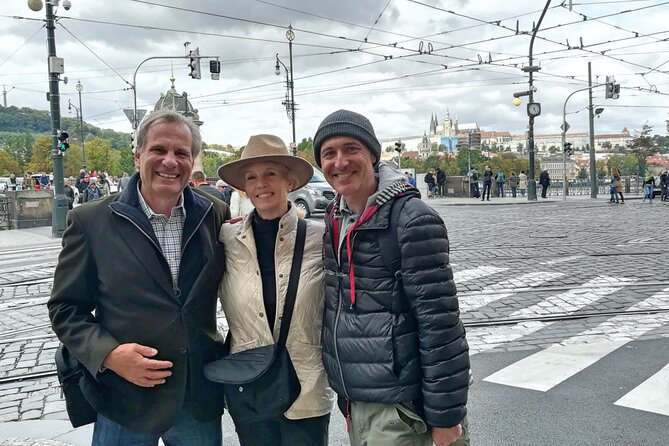
This is a walking tour through central Prague, so think comfort first. Wear shoes that handle cobblestones and uneven pavement. Keep your jacket flexible: church-to-square weather shifts can catch you off guard, even on mild days.
Timing matters too. You can choose morning or afternoon departure when booking. I’d choose morning if you prefer getting your big-sight intensity done before crowds and long lines become a problem. Afternoon can be nice if you want a more relaxed rhythm and you don’t mind starting later in the day.
One more detail: the tour includes a mobile ticket, and the meeting points are in busy, transit-friendly areas. That makes it easier to arrive without turning the first hour into a logistics puzzle.
Who this tour is best for (and who should skip it)
This works best if you want:
- A first-time orientation that connects Old Town, New Town, and the Jewish Quarter context into one story
- A private guide you can question, not a talk you’re stuck listening to without interaction
- A mix of landmarks and ideas—architecture, religion, and politics in one route
It may be less ideal if:
- You want a slow, sit-and-stroll day with long breaks and lots of free time at each stop
- You only care about photos and don’t want deeper context at churches and monuments
For most people, though, it’s a smart way to build a mental map quickly. And it sets you up to explore the rest of Prague with better instincts for what to prioritize.
Should you book this private Prague introduction walk?
If you’re the kind of traveler who likes facts that actually connect—who wants to understand what you’re looking at—then yes, I’d book it. The private format, historian-led explanations, and strong finish on the Vltava make it a solid “get your bearings fast” experience without feeling shallow.
If your ideal Prague day is mostly free roaming with minimal talking, you might prefer a lighter option. But if you want a guide to give Prague structure—Old Town’s political and architectural story, Charles Bridge’s long role in city life, the Reformation thread, and the Jewish Quarter context—this private walk is built for that.
FAQ
How long is the Private Prague Introduction Walking Tour?
It runs for about 3 hours.
How many people is the tour for?
It’s private for your group, up to 10 people.
Where do you meet and where does the tour end?
You start at MONDIEUMaltézské nám. 480 in Malá Strana. The tour ends at Václavské nám. 772/2.
Is pickup included?
Hotel pickup and drop-off are listed as not included. Pickup is noted as offered, so it’s best to confirm what options apply to your booking.
Are tickets or admissions included?
The stops listed in the route are marked as free admission where applicable. The Franz Kafka statue stop is also included.
What about food and drinks?
Food and drinks are not included unless specified.
Can I choose a morning or afternoon departure?
Yes. You can choose morning or afternoon when booking.
Is there free cancellation?
Yes. You can cancel up to 24 hours in advance for a full refund.
More Tours in Prague
More Tour Reviews in Prague

On Foot Through Prague, Continued

More Prague tours we have written up lately



Prague Walking Tours, compared.
 ★ 4.73-Hour Walking Tour of Old Town & Prague CastleFrom $305,696 reviews
 ★ 4.4Ghost Walking Tour Where Legends Come To LifeFrom $275,253 reviews
 ★ 4.7Jewish Quarter Walking Tour with Admission TicketsFrom $763,729 reviews
 ★ 5.0Prague Guided Walking Tour and Cruise with Authentic Czech LunchFrom $1023,627 reviews
 ★ 4.6Old Town and Jewish Quarter Guided Walking TourFrom $222,847 reviews
 ★ 4.5Prague Ghost and Legend of Old Town Walking TourFrom $212,630 reviews
 ★ 5.0Prague 3-hour Afternoon Walking Tour including Prague CastleFrom $531,899 reviews
 ★ 4.7Ghosts and Legends Nighttime Guided Walking TourFrom $221,462 reviews
Browse the lists this tour appears in