
REVIEW · TOURS
Prague: Psychiatric Hospital and Abandoned Cemetery Tour
Prague’s psychiatric history can feel uncomfortably real. This tour pairs a working clinic setting with stories of how Europe tried to treat mental illness, from medieval ideas to methods we now find shocking. I love the way the guide connects past “cures” to the bigger questions of diagnosis and power, and I also like the promenade around the abandoned cemetery—it’s atmospheric and very memorable.
You’ll get a guided look at Bohnice Psychiatric Hospital, followed by a pass-by of the Bohnický ústavní hřbitov (the abandoned cemetery). One drawback to flag up front: this is dark subject matter tied to institutional care, so it’s not a good fit for small kids or anyone who doesn’t want heavy themes.
In This Review
- Key highlights you’ll care about
- Bohnice Psychiatric Hospital: why this tour feels different
- A 3-hour route that actually makes sense (and how to pace yourself)
- Inside the hospital tour: from medieval ideas to lobotomy-era thinking
- Rosenham’s experiment: spotting the blind spots in diagnosis
- The Bohnický ústavní hřbitov cemetery promenade: atmosphere you can’t fake
- Famous patients, infamous stories: what the guide does with the truth
- Price and value: is $32 worth a 3-hour dark-history walk?
- Getting there smoothly: Kobylisy to Katovická (and an easy fallback)
- Who should book, and who should skip
- Quick facts that help you decide
- Should you book the Prague Psychiatric Hospital and Abandoned Cemetery tour?
- FAQ
- Where is the meeting point?
- How long is the tour?
- Is the tour in English?
- Is it suitable for small children?
- What should I bring?
- What’s included in the price?
- How do I get there by public transport?
- Can I use a taxi instead?
- Is there a private group option?
- Can I cancel if my plans change?
Key highlights you’ll care about
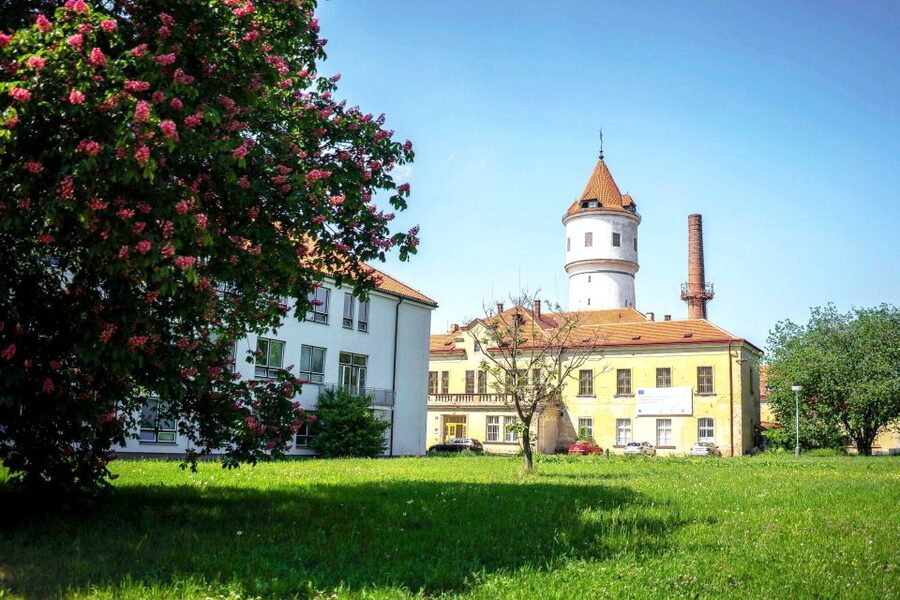
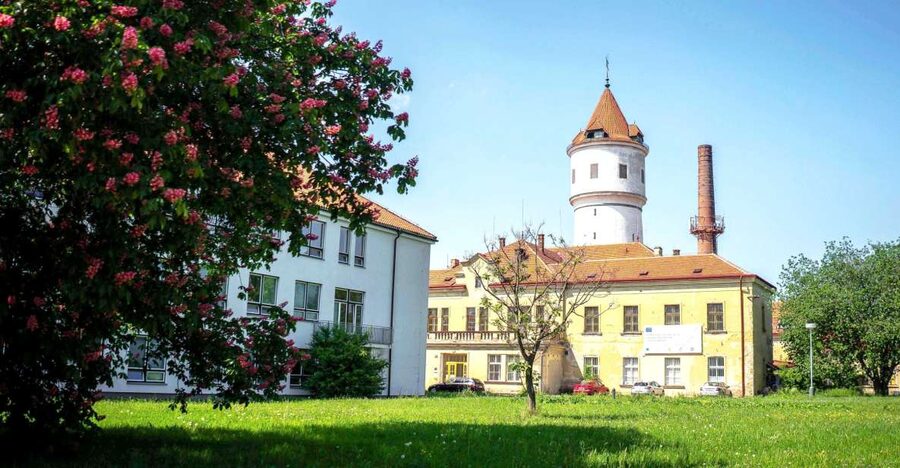
- Bohnice Psychiatric Hospital on the outskirts of Prague, shown as a still-functioning place, not just a museum
- A history arc that goes from medieval “ritual” thinking to later shockingly extreme treatments (including lobotomies)
- The Rosenham experiment, explained in a way that makes you question how easily systems can be fooled
- Stories of infamous patients past and present, shared with a guide who keeps the tone educational, not sensational
- A walk along the eerie cemetery promenade, where patients and others were laid to rest
Still weighing up how to spend your days in Prague? These are the tours travellers book most.
- Prague: 50-Minute Sightseeing Evening Cruise★ 4.2 · 33,780 reviews
- Prague: Medieval Dinner with Unlimited Drinks★ 4.4 · 19,847 reviews
- Prague: Castle Tour with Local Guide and Entry Ticket★ 4.6 · 10,422 reviews
- Prague: Oldtown, Medieval Underground & Dungeon History Tour★ 4.3 · 10,277 reviews
Bohnice Psychiatric Hospital: why this tour feels different
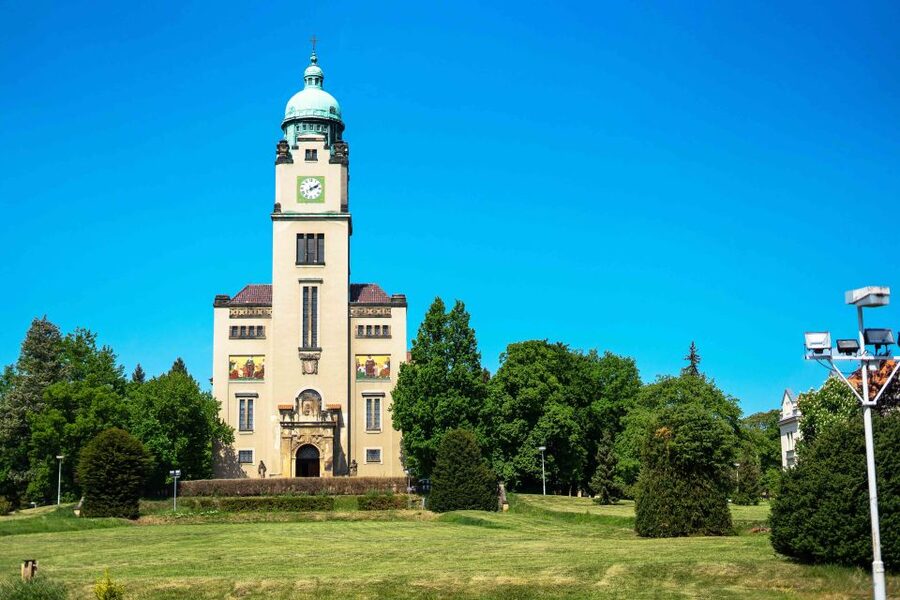
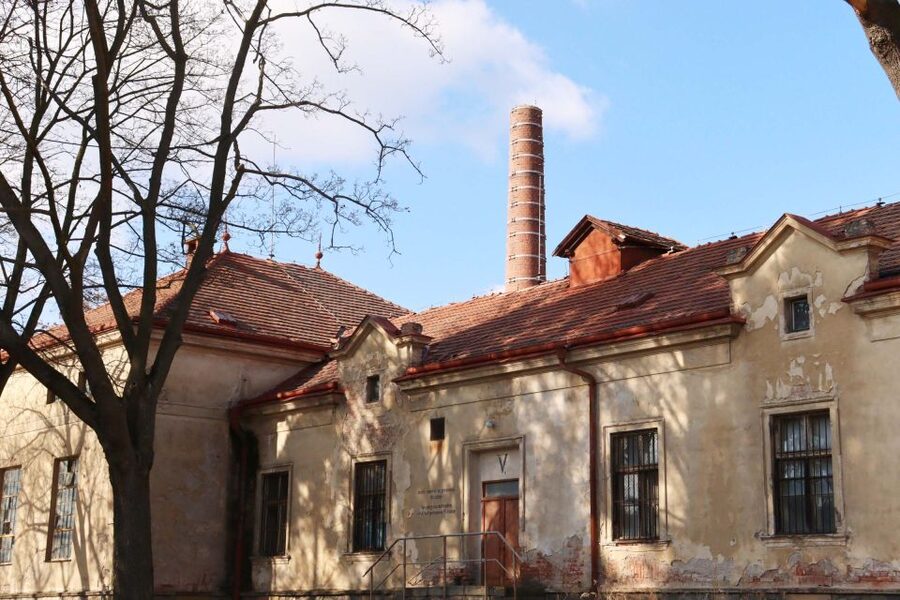
This tour starts at Psychiatric Hospital Bohnice, a real psychiatric clinic on the Prague edge. That detail matters. You’re not reading about institutions in a book—you’re standing near the wards while a knowledgeable English-speaking guide explains what happened here, and what still shapes how psychiatry works.
What I like most is the balance between story and context. The guide doesn’t just name treatments and dates; you get the “why” behind them as ideas evolved across Europe. And you’ll also notice how the atmosphere alone keeps pulling your attention back to the human side of it all.
The other thing that sticks with you is the tour’s pace and focus. In just 3 hours, you cover enough ground to understand the big shifts in psychiatric thought, then you step into an abandoned graveyard that feels hauntingly close to the living world next door.
A 3-hour route that actually makes sense (and how to pace yourself)
You’ll spend about 2.5 hours on the guided hospital portion, then around 30 minutes at the abandoned cemetery area. That structure is smart because it gives you time to understand the “system” before you see the “place.”
For the hospital segment, you can expect a guided walking experience that moves you through history in a sequence. You’ll hear how Europe tried to treat mental illness with methods that were, by today’s standards, extreme or misguided. Since the tour includes historical facts connected to the dark history of psychiatry, wear comfortable shoes and plan to keep your attention steady.
Then comes the cemetery promenade. This is where the tour shifts tone. You’ll pass through an eerie area tied to Bohemia’s stigmatized patients, and you’ll see how a location can turn theory into something physical and emotional.
Practical note: because it’s a walking tour, you’ll feel it in your legs. You’ll be happier if you start hydrated and don’t rush.
Inside the hospital tour: from medieval ideas to lobotomy-era thinking

The hospital portion is the heart of the experience. You’ll be led around the clinic grounds and get an introduction to the history of psychiatry in Europe, with examples of how “cures” changed over time.
One part you’ll likely remember is the contrast. The guide frames how medieval-era thinking leaned on mystic rituals, then later treatments aimed to control symptoms through drastic interventions. Seeing that progression explained in sequence makes it easier to understand how societies can justify cruelty while believing they’re helping.
You’ll also hear about methods such as lobotomies. Even if you already know the term, the tour’s framing helps you understand why these approaches were considered viable at the time. It’s not just “here’s a shocking fact,” but “here’s what decision-makers thought they were solving.”
The guide also shares stories of past and current patients occupying the wards. That element is important because it stops the history from becoming purely academic. It reminds you that institutions weren’t theoretical—they were full of real people, families, and consequences.
Rosenham’s experiment: spotting the blind spots in diagnosis
A standout topic during the hospital segment is the Rosenham experiment. The way this experiment is typically taught can feel abstract in classrooms, but here it lands differently because you’re hearing it in a place tied to the real-world practice of psychiatric evaluation.
In simple terms, the Rosenham story is used to show how labeling can shape outcomes. Once a system expects you to behave a certain way, it may stop seeing you clearly. The guide ties that idea to the methods used on patients, and you end up thinking about the difference between symptoms and assumptions.
What I appreciate is that the tour treats this as a learning tool, not a gotcha. You’re led to ask: how do institutions decide who belongs in a ward, and how can errors become self-perpetuating?
Even if you come in with zero psychiatry background, you’ll leave with a more critical lens for how diagnoses are assigned and how environments influence behavior.




The Bohnický ústavní hřbitov cemetery promenade: atmosphere you can’t fake

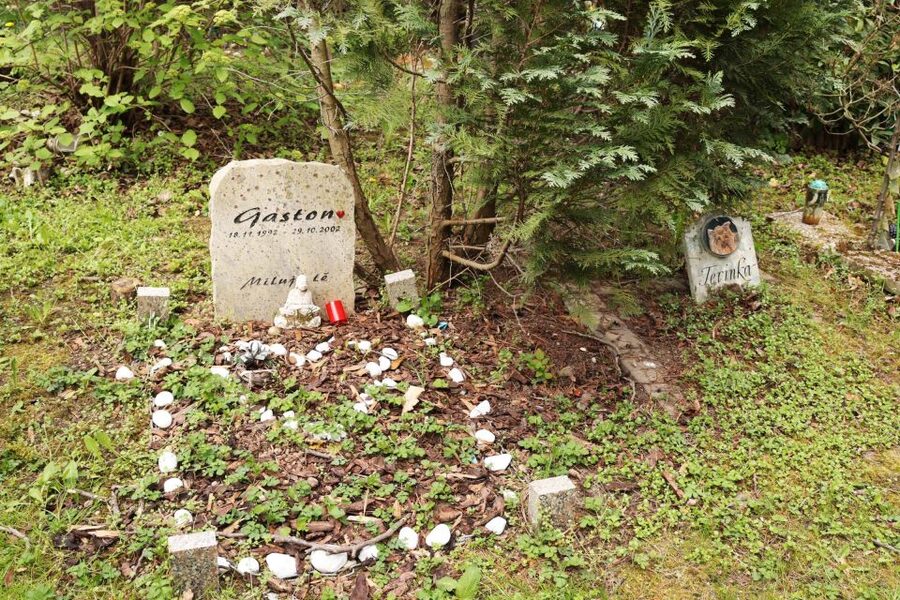
After the hospital portion, you move to the Bohnický ústavní hřbitov, the abandoned cemetery area. This pass-by is shorter—about 30 minutes—but it’s one of the most memorable parts.
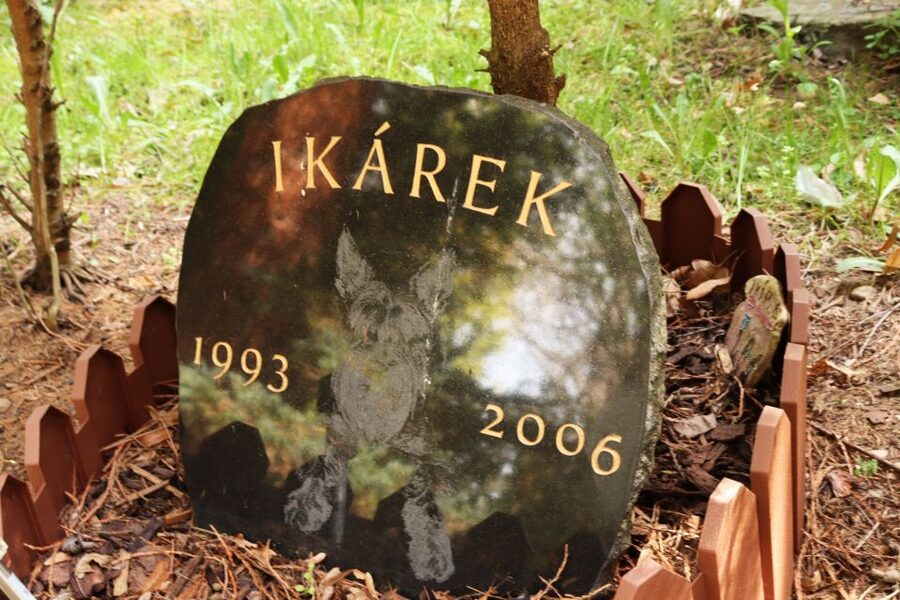
The guide leads you along a promenade that feels eerie because of what it represents. You’re walking near a graveyard tied to people who were once treated as outcasts: patients, criminals, and others who were laid to rest here. The tour’s wording focuses on the tragic past of stigmatized patients in Bohemia, and the atmosphere supports that.
If you’re sensitive to haunting settings or heavy themes, go slowly here. This isn’t about jump-scares; it’s more like the space does the scaring. The silence and layout of an abandoned graveyard can make even a short walk feel longer.
And because you just left the hospital grounds, the cemetery hits with extra weight. You can’t easily separate the institution’s logic from the human cost.
Famous patients, infamous stories: what the guide does with the truth

One of the strongest attractions is the way the tour handles patient stories—past and current—within the wards. That’s not a small detail. In a topic like psychiatry history, it’s easy for guides to either sanitize everything or turn it into horror entertainment.
This tour aims for the middle road. You’ll get stories connected to infamous patients and institutional practices, and the tone stays educational. The effect is that you learn without feeling like you’re being fed sensationalism for its own sake.
The guide also connects those stories to the broader evolution of treatment methods—so the narratives aren’t floating in isolation. You’re meant to see patterns: what societies feared, what they tried, and how institutions responded to uncertainty.
If you like history that feels personal instead of just chronological, this is where it clicks.
Price and value: is $32 worth a 3-hour dark-history walk?
At $32 per person for a 3-hour guided experience, you’re paying for three things that most tours don’t combine:
First, you get access to a real psychiatric hospital setting with a local guide. Second, you get an organized history lesson that covers both medieval thinking and later treatment ideas like lobotomies, plus the Rosenham experiment. Third, you get the cemetery setting—an abandoned place that’s hard to replicate on your own.
Value depends on your mood. If you want light sightseeing, this will feel heavy. If you want a story that explains how Europe handled mental illness—using a real location—then $32 is a reasonable price for a specialized, guided experience.
Also, the tour includes a walking component, so you’re getting movement, context, and atmosphere in one package. That’s more than just “show up and look around.”
Getting there smoothly: Kobylisy to Katovická (and an easy fallback)
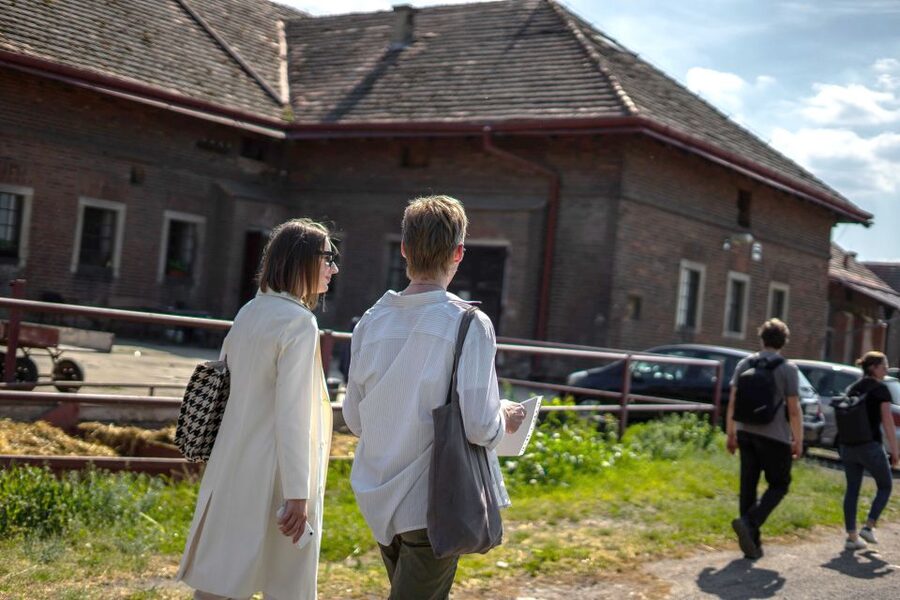
Meeting point is in front of the gate to the hospital in Bohnice, Ústavní 91, 181 00 Praha 8. Plan to arrive a bit early so you can get your bearings before the group starts.
By public transport, the basic route goes like this: take the metro line C to Kobylisy, follow signs at the exit toward Katastrální úřad, then use the bus stop area and take bus 177 toward Poliklinika Mazurská or bus 200 toward Sídliště Bohnice. Get off at Katovická. From there, turn around and walk back toward the direction you came from until the first crossroad, then turn left onto Ústavní street. Continue until you reach the metal gate marked 91.
Here’s the practical tip I’d use: for the return, many people find it simpler to catch an Uber or Bolt rather than wrestling with transfers late in the day. One review specifically calls out doing Uber for getting back, and honestly, that’s the kind of common-sense move that saves energy after a heavy tour.
If you do go by bus, wear shoes that handle uneven ground. The short cemetery walk is easier when your feet are happy.
Who should book, and who should skip
This tour works best for you if you like history that has real stakes. If you’re curious about how societies tried to manage mental illness—especially the controversial eras—this will give you a guided structure that connects ideas to practice.
It’s also a good match if you enjoy true stories tied to place. The cemetery promenade gives you a physical setting for the stigma and suffering that comes with institutional care.
But I’d skip it if you’re traveling with small kids. The tour isn’t recommended for that group because it includes historical facts linked to the dark history of psychiatry. I’d also skip it if you know you strongly dislike themes involving involuntary care, extreme treatments, or grim institutional stories.
Quick facts that help you decide
The tour is in English with a live guide. You can also book a private group option if you want a smaller, more flexible experience.
Duration is 3 hours, with about 2.5 hours in the hospital and 30 minutes around the abandoned cemetery. The pace is built for walking, so bring comfortable shoes and a reusable water bottle.
The experience provider is McGee’s Ghost Tours. On recent feedback, the tour earns a 4.2 rating from 53 reviews, and a recurring praise point is the guide quality—especially guides who explain the history and cemetery details in a way that’s clear and intense without being chaotic.
If you get a guide like Tina (a name mentioned in reviews), you’re likely in for a very focused, story-driven walkthrough. Still, any English guide should aim for the same balance: history, context, and guided pacing.
Should you book the Prague Psychiatric Hospital and Abandoned Cemetery tour?
I’d book it if you want something more real than typical Prague sightseeing. This is one of those tours where the setting does a lot of the work for you: a working hospital, a guided explanation of shifting psychiatric ideas, and then an abandoned cemetery promenade that feels like history sitting right in front of you.
I wouldn’t book it if you’re after a cheerful afternoon. The subject matter is dark, and it’s not shy about touching shocking aspects of psychiatry history.
If you match the vibe—curious, steady, and okay with heavy themes—this tour is a strong use of 3 hours. And if you’re debating transport, plan your return with an Uber-style backup so you can finish the day on your terms.
FAQ
Where is the meeting point?
Meet in front of the gate to the Psychiatric Hospital in Bohnice, Ústavní 91, 181 00 Praha 8.
How long is the tour?
The tour lasts about 3 hours.
Is the tour in English?
Yes. The live tour guide speaks English.
Is it suitable for small children?
The tour includes historical facts connected to the dark history of psychiatry, and it is not recommended for small children.
What should I bring?
Wear comfortable shoes and bring a reusable water bottle.
What’s included in the price?
You get a local guide and a walking tour.
How do I get there by public transport?
Take metro line C to Kobylisy, then exit toward Katastrální úřad. From there, take bus 177 (Poliklinika Mazurská) or 200 (Sídliště Bohnice) to Katovická. Walk back toward the direction you came from to the first crossroad, turn left onto Ústavní street, and walk to the metal gate numbered 91.
Can I use a taxi instead?
Yes. You can give your taxi driver the address Psychiatric Hospital in Bohnice, Ústavní 91. The price from the city center by Bolt or Uber is approximately 350 CZK (about 15 EUR).
Is there a private group option?
Yes, a private group is available.
Can I cancel if my plans change?
Free cancellation is available. You can cancel up to 24 hours in advance for a full refund.
More Tours in Prague



More Tour Reviews in Prague


More Prague tours we have written up lately




Tours, compared.
 ★ 4.6Castle Tour with Local Guide and Entry TicketFrom $6110,422 reviews
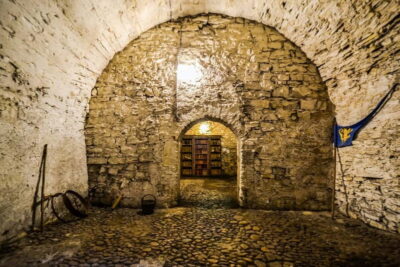 ★ 4.3Oldtown, Medieval Underground & Dungeon History TourFrom $3110,277 reviews
 ★ 4.7Prague Castle 2.5-Hour Tour Including Admission TicketFrom $578,927 reviews
 ★ 4.73-Hour Walking Tour of Old Town & Prague CastleFrom $305,696 reviews
 ★ 4.83-Hour Old Town and Prague Castle Tour in GermanFrom $365,671 reviews
 ★ 4.4Ghost Walking Tour Where Legends Come To LifeFrom $275,253 reviews
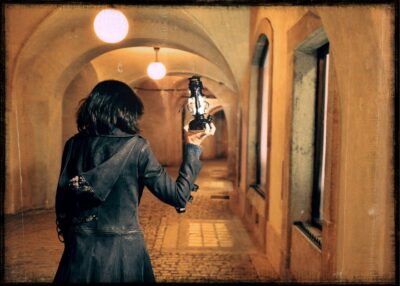 ★ 4.3Ghosts, Legends, Medieval Underground & Dungeon TourFrom $315,104 reviews
 ★ 4.5Klementinum Library & Astronomical Tower Guided TourFrom $185,050 reviews