
REVIEW · OLD TOWN & ASTRONOMICAL CLOCK
Prague Essential Tour Old Town and Jewish Quarter
Prague history fits into one tight afternoon. This Prague Essential Tour Old Town and Jewish Quarter is a focused, walkable route through the city’s big-name landmarks and its quieter Jewish sites, explained by a certified guide in English. You’ll spend just enough time at each stop to understand what you’re looking at and move on with your feet still feeling human.
My two favorite parts are the way the guide connects the famous “must-see” spots—especially the Astronomical Clock—to the surrounding Old Town streets, and how the route pivots into the Jewish Quarter with stops like the Spanish Synagogue and Old-New Synagogue. The whole thing feels like getting the map in your head, not just ticking off photos.
One drawback to plan for: there’s no hotel pickup, and a couple of sights have admission tickets not included, so you’ll want to budget a little extra for those stops or be ready to simply view from the outside where allowed.
In This Review
- Key highlights you’ll actually feel in your feet
- Start at Jan Palach Square and get your bearings fast
- Rudolfinum steps: a classic meeting point with a good opening
- Old Town Square: the postcard becomes a map of power
- Týn Church: Prague’s skyline icon, explained in minutes
- The Astronomical Clock: how to read its medieval performance
- Karolinum area: Charles University’s long shadow
- Estates Theatre and the stage history that lingers
- Powder Tower (Mihulka): a medieval gate story in small time
- Kafka statue: right at the edge of the Jewish Quarter
- Spanish Synagogue: Moorish style and a shift in atmosphere
- Old-New Synagogue: centuries of continuity
- Old Jewish Cemetery: leaning tombstones and a heavy mood
- Price and value: $3.62 for a structured, high-touch walk
- Who this tour fits best (and who might want another plan)
- Should you book this Prague Old Town and Jewish Quarter tour?
- FAQ
- How long is the Prague Essential Tour Old Town and Jewish Quarter?
- What language is the tour offered in?
- Is a mobile ticket provided?
- Is hotel pickup included?
- Are attraction tickets included?
- Where does the tour start?
- How big is the group?
- Is cancellation possible for a refund?
- Are service animals allowed?
Key highlights you’ll actually feel in your feet
- Max 25 people keeps the pace friendly and the explanations easy to follow.
- Old Town Square + Astronomical Clock help you read Prague’s medieval “stage sets” with context.
- Jewish Quarter synagogues give you a change of tone, not just another church photo-op.
- Short, timed stops mean you won’t get lost in any one spot too long.
- Certified official guide in English turns landmarks into stories you can remember later.
Still circling the Old Town? More of the square and its lanes, reviewed.
- Prague: Oldtown, Medieval Underground & Dungeon History Tour★ 4.3 · 10,277 reviews
- Prague: Old Town Hall Tower Entry Ticket★ 4.5 · 6,749 reviews
- Prague: 3-Hour Walking Tour of Old Town & Prague Castle★ 4.7 · 5,696 reviews
- Prague: 3-Hour Old Town and Prague Castle Tour in German★ 4.8 · 5,671 reviews
Start at Jan Palach Square and get your bearings fast
This tour begins at Jan Palach Square in Prague 1 (Staré Město) and ends back at the same meeting point. That’s helpful because you’re not stuck figuring out a complicated end location after a couple of hours of walking. If you’re trying to build confidence in Prague quickly, this route works well: you start in the old-center zone and keep moving through the historical core.
Bring comfortable shoes. The schedule moves in a steady rhythm, with most stops around 10 minutes and a couple at 15–20 minutes. You’re not doing marathon sightseeing, but you also won’t be standing around for long either. In a good way, it keeps your attention on what matters.
Also note: you’ll use a mobile ticket, and the tour is offered in English. If you’re coming with any mobility limits, the walk is the main thing to consider, since there’s no mention of transport during the tour.
Rudolfinum steps: a classic meeting point with a good opening
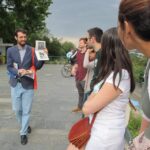
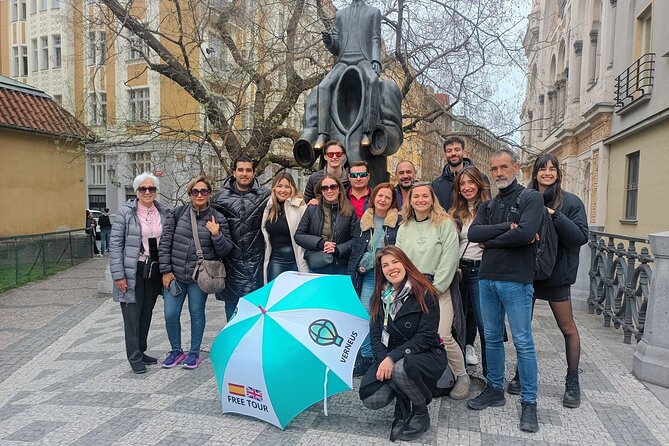
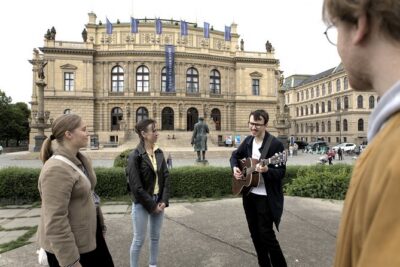
The tour starts on the steps of Rudolfinum, using the white and green umbrellas as the marker. This is a smart way to begin because you’re not wandering for a group—meeting is clear, and you can settle before the guide talks.
Rudolfinum itself is a strong symbol of Prague’s cultural life. You’ll get a quick intro while the group gathers. The only caveat: admission there is not included, so expect to look and listen rather than enter as part of the tour.
Old Town Square: the postcard becomes a map of power
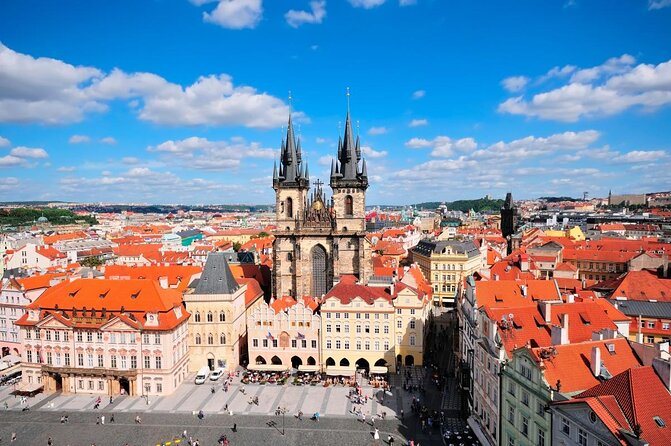
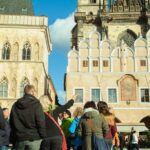
Next comes Staroměstské náměstí (Old Town Square), one of those spaces where Prague’s history shows up in layers. You’ll see major landmarks around the square—useful because the guide can point out what you’re actually looking at instead of letting the place blur together.
This stop is timed for about 20 minutes, which is long enough to notice details and still keep the pace moving. You’ll also get key reference points like the St. Nicholas Church (Baroque), the Jan Hus sculpture, and the Gothic Town Hall. Even if you’re not a history nerd, these names anchor the whole Old Town area in time.
Quick practical tip: when you’re in a busy square, pick one side to study first. Look at the building shapes and the way the square funnels views. It makes the rest of the walk easier because your mental map starts forming quickly.
Týn Church: Prague’s skyline icon, explained in minutes
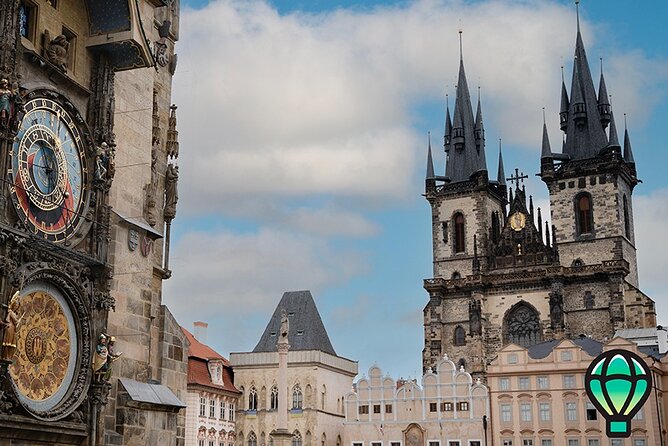
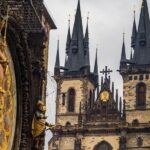
Then you head to the Church of Our Lady before Týn, known for its twin towers and instantly recognizable look on the Prague skyline. You’ll get around 10 minutes here, which is perfect for snapping photos and also understanding why the church matters to the city’s identity.
At a stop like this, the value is in interpretation. Instead of treating it like a background landmark, the guide typically connects it to the surrounding streets and the broader “shape” of old Prague—how the city grew, where certain communities showed influence, and how architecture communicates power and taste.
Deeper into Josefov, and more of the Jewish Quarter synagogues.

The Astronomical Clock: how to read its medieval performance
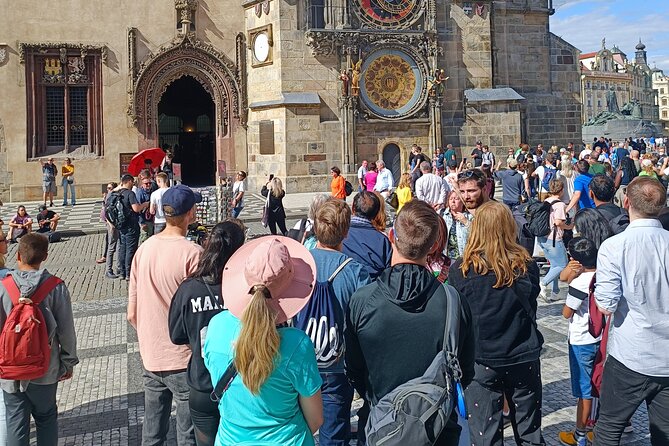
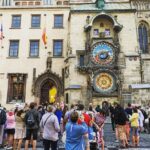
If you want the single most iconic moment on this tour, it’s the Old Town Hall with the Astronomical Clock. This is scheduled for about 15 minutes, so it’s enough time to see what people crowd around and still step back afterward to understand the mechanism and what the clock is trying to show.
The Astronomical Clock isn’t just a timepiece. It’s also a medieval science-and-art display, showing time plus the movement of stars and other surprises. The guide’s job here is to slow you down mentally so you can spot what matters instead of only watching the crowd.
Practical move: arrive with the mindset that you’ll learn a short “how it works” story. Even if you only remember one or two details after, it will make the clock feel less like a gimmick and more like a 600-year-old communication tool.
Karolinum area: Charles University’s long shadow
After the Old Town core, the tour shifts toward Karolinum, part of Charles University, described here as the oldest in Central Europe. This stop is about 10 minutes, but it’s meaningful because it connects Prague landmarks to ideas—people, teaching, and influence across centuries.
You’ll also hear how major figures passed through the university (the tour mentions Kafka, Tesla, and Einstein). Even if you don’t know their full connection to Prague, the point is simple: this city has always been more than architecture. It’s been a place where learning and big minds mattered.
This is a nice “breather stop” between heavy sightseeing nodes. You’ll see academic history without it being a museum-style experience.
Estates Theatre and the stage history that lingers
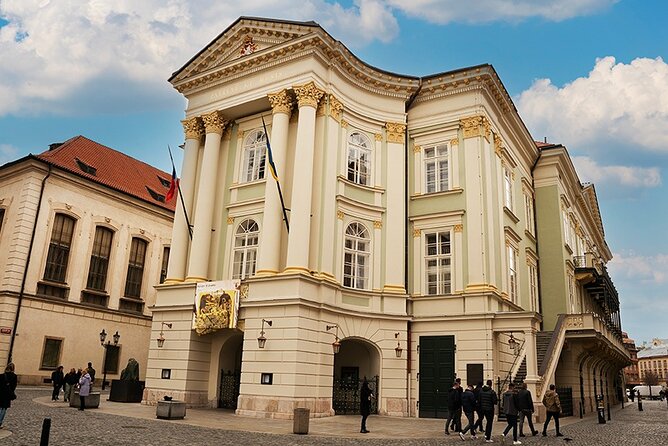
Next you’ll see The Estates Theatre, tied to Mozart and his work Don Giovanni, premiered here in 1787 (as stated on the tour). This stop also runs about 10 minutes.
Admission is noted as not included, so don’t expect an indoor visit unless the day’s rules allow it. Even viewing from outside, though, this is a strong cultural marker. It reminds you that Prague’s old center isn’t only about religion and politics—it’s also about performance and arts.
Powder Tower (Mihulka): a medieval gate story in small time
Then comes Mihulka Powder Tower, an old medieval tower that used to function as one of the city’s entrance points. This stop is scheduled for about 10 minutes, and it’s one of those places where a short explanation changes how you see the whole neighborhood.
The value here is perspective. Prague looks like it’s frozen in stone, but it has changed a lot. A former gate tower helps you imagine movement in and out of the city long ago—when these streets were controlled entry points rather than open pedestrian space.
If you like urban history, this is a good moment to pause and picture the city walls and routes before they disappeared or were transformed.
Kafka statue: right at the edge of the Jewish Quarter
At about 10 minutes, the tour includes a Franz Kafka statue located near the entrance to the old Jewish Quarter. Kafka is one of those figures you’ll keep running into across Prague, and this placement makes the association feel tangible rather than abstract.
The guide’s job is to connect the statue to the story of one of the most influential writers of the 20th century. Even if you’re not a longtime Kafka fan, this short stop gives your walk a literary thread—something different from dates and buildings.
Spanish Synagogue: Moorish style and a shift in atmosphere
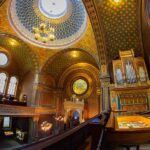
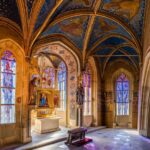
Now you enter the Jewish Quarter story properly with the Spanish Synagogue and the Jewish museum in Prague (scheduled for about 10 minutes). The tour highlights the synagogue’s beautiful Moorish style, which is a big visual clue that this isn’t just a “standard church-style” building.
This stop is free in terms of included admission on the tour’s schedule, so you should expect it to be part of what you do rather than something you just stare at from far away. The time is short, but it’s enough to see how the design communicates community identity.
Important feel: this is where the tour tone changes. The streets are still Prague, but the atmosphere and story you’re hearing shift away from Old Town politics and toward Jewish cultural and religious life.
Old-New Synagogue: centuries of continuity
Then comes the Old-New Synagogue, described as one of the oldest synagogues in Europe that still preserves worship. The tour dates it to the 13th century, and it frames the site as a symbol of Jewish life in Prague.
This is also scheduled for about 10 minutes, and that’s the right amount of time to absorb what’s happening there: continuity. Even in a short visit, the point lands. You’re not only looking at history—you’re encountering a place that kept its purpose while the city around it transformed.
If you’re the kind of traveler who likes to be respectful and quiet in religious spaces, this stop is a good match. Keep your voice down and let the guide’s pacing do its job.
Old Jewish Cemetery: leaning tombstones and a heavy mood
The last Jewish Quarter stop is the Old Jewish Cemetery, where you’ll spend about 10 minutes. It’s described as one of the most important points in the quarter, with an atmosphere you can feel right away—especially with its leaning tombstones and the sense of centuries gathered in one place.
This is one of those stops where less time is more. You don’t need to “speed-read” it. Let the guide’s explanation give you what to notice, and then take a quiet minute yourself to let it sink in.
If you’re traveling with kids, this is also a moment where it helps to keep expectations realistic. It’s not designed to be playful. It’s a memorial space, so it tends to land differently depending on the group.
Price and value: $3.62 for a structured, high-touch walk
The listed price is $3.62 per person, and for what you get, it’s hard to beat. You’re paying for a certified official guide, a route built around major landmarks in Old Town plus key sites in the Jewish Quarter, and a tight schedule that keeps you oriented instead of wandering.
You’re not paying for everything inside. Rudolfinum and The Estates Theatre are noted as having admissions not included. Most other stops listed on the schedule are free. So you get a mix of included and optional costs, rather than a fully packaged museum ticket haul.
You also get the benefit of small-group sizing—up to 25 travelers—which makes a difference when you’re trying to hear explanations at crowded squares and tight corners.
One more value point: the tour has a 5/5 rating with 545 reviews and a 99% recommendation rate. That’s not everything, but it does suggest the format works for a lot of people.
And the guide matter shows up in the names people bring up—guides like Isaac, Lyle, and Dylan are credited with clear explanations that make the history of Old Town and the Jewish Quarter easier to grasp.
Who this tour fits best (and who might want another plan)
This is a great match if you want:
- A 2.5-hour guided walk that covers both Old Town highlights and core Jewish Quarter sites
- Explanations in English that help you understand what you’re seeing
- A route that starts and ends in the same place, so you can keep your day flexible afterward
It’s less ideal if:
- You dislike walking and want lots of long museum-style time instead
- You’re hoping for hotel pickup or a vehicle-based tour (this one is start-on-your-own)
- You want every single building visit included; a couple entries aren’t included
Should you book this Prague Old Town and Jewish Quarter tour?
Yes—if you want a structured introduction that mixes famous Prague with the Jewish Quarter’s most meaningful landmarks, this tour is a strong way to get oriented in a short time. The mix of Old Town icons (like the Astronomical Clock) plus synagogues and the cemetery gives you variety without turning your day into a rushed blur.
Before you go, do one simple thing: look up the meeting point at Jan Palach Square so you’re not stressed about arrival time. And wear shoes that can handle cobblestones and crowds. If you do that, you’ll finish the walk with a much clearer sense of Prague’s layout—and more understanding than you’d get from wandering alone.
FAQ
How long is the Prague Essential Tour Old Town and Jewish Quarter?
It lasts about 2 hours 30 minutes.
What language is the tour offered in?
The tour is offered in English.
Is a mobile ticket provided?
Yes. The tour includes a mobile ticket.
Is hotel pickup included?
No. Pick up and return to the hotel are not included.
Are attraction tickets included?
Admission is not included for Rudolfinum and The Estates Theatre. Other listed stops have admission marked as free on the tour schedule.
Where does the tour start?
The meeting point is Jan Palach Square (J. Palacha), Praha 1 – Staré Město, Czechia.
How big is the group?
The tour has a maximum of 25 travelers.
Is cancellation possible for a refund?
Yes. You can cancel up to 24 hours in advance for a full refund.
Are service animals allowed?
Yes. Service animals are allowed.
More Tour Reviews in Prague



Keep Exploring the Jewish Quarter

The Old Town, A Few More Ways
More Prague tours we have written up lately

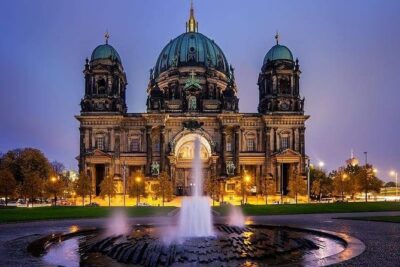

Old Town & Astronomical Clock, compared.
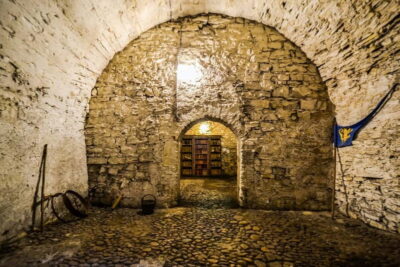 ★ 4.3Oldtown, Medieval Underground & Dungeon History TourFrom $3110,277 reviews
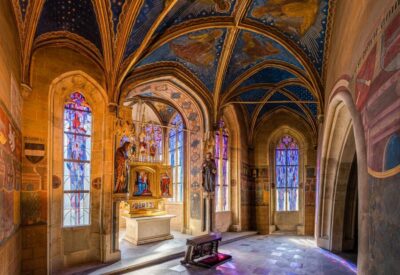 ★ 4.5Old Town Hall Tower Entry TicketFrom $216,749 reviews
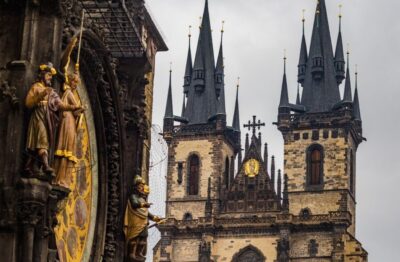 ★ 4.73-Hour Walking Tour of Old Town & Prague CastleFrom $305,696 reviews
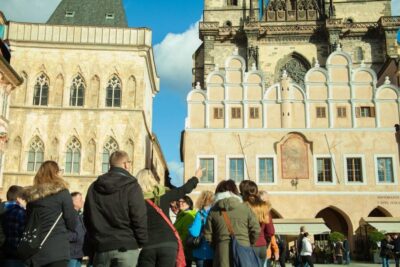 ★ 4.83-Hour Old Town and Prague Castle Tour in GermanFrom $365,671 reviews
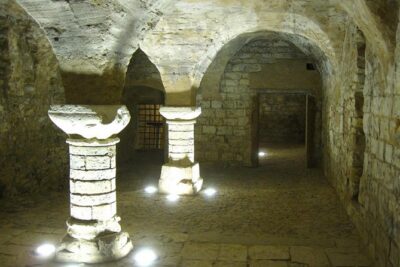 ★ 4.5Prague Old Town, Medieval Underground and Dungeon Historical TourFrom $323,227 reviews
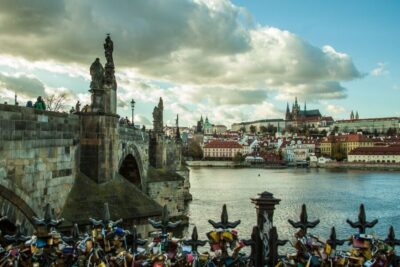 ★ 4.8Old Town and Jewish Quarter Guided Tour in GermanFrom $293,143 reviews
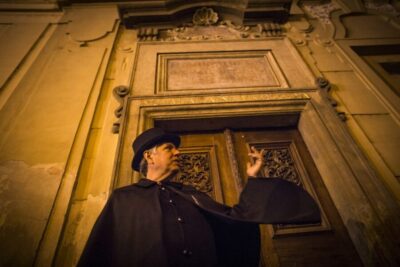 ★ 4.5Ghosts and Legends of the Old Town Evening TourFrom $213,091 reviews
 ★ 4.6Old Town and Jewish Quarter Guided Walking TourFrom $222,847 reviews
Browse the lists this tour appears in