REVIEW · PRAGUE
Las Mas Bellas Ciudades de Europa Central
Prague to Budapest in one tidy loop sounds almost too easy. That is the point of this Central Europe tour: a Spanish official guide keeps the story straight, the coach does the long-distance work, and you still get real walking time in the places that matter. You also get built-in moments like a pair of local restaurant dinners and Prague Castle admission.
What I like most is how practical it feels day to day. With guide Nelson Villarroel, you get clear walking guidance and real help for moving around—especially when you have spare time on your own. And I also appreciate the steady base: 7 nights in central 4-star hotels plus pickup and drop-off, so you are not wasting your vacation dragging bags through unfamiliar streets.
The main trade-off: you need to be OK with a moderately active pace and long coach days between cities. This is not a slow, linger-everywhere style trip—more like a well-run route that helps you see a lot without feeling rushed.
In This Review
- Key highlights I’d bank on
- The “Las más bellas ciudades” plan: smooth logistics, real cities
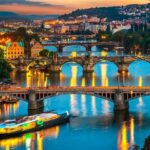
- Prague: your base for story and viewpoints
- What could annoy you in Prague?
- České Budějovice: a smart pause before the postcard
- Český Krumlov: why people stop talking and start staring
- The practical downside
- Vienna: imperial elegance with a tour rhythm that works
- One thing to remember in Vienna
- Budapest: finishing strong with two moods and one river
- The only real caution in Budapest
- Hotels, breakfasts, and included dinners: what you actually get
- What is not included
- Transportation and meeting style: where the day wins or loses
- Price and value: why this costs what it costs
- Who should book this tour
- Should you book Las más bellas ciudades de Europa Central?
- FAQ
- What cities are included in this tour?
- How long is the tour?
- Does the price include hotel stays?
- Is pickup from the hotel included?
- What meals are included?
- Is Prague Castle admission included?
- What kind of transportation is used between cities?
- Can I request special dietary needs?
- What is the cancellation policy?
Key highlights I’d bank on
- Official bilingual Spanish guidance that keeps each city coherent, not random stops
- Nelson Villarroel’s day-to-day support, including help in free time
- Central 4-star hotels for easy mornings and convenient evenings
- Coach with A/C for the 200–270 km transfers between cities
- Prague Castle complex admission included, with an included visit slot
- Two included typical restaurant dinners, so you get local flavor without planning
Still weighing up how to spend your days in Prague? These are the tours travellers book most.
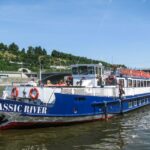
- Prague: 50-Minute Sightseeing Evening Cruise★ 4.2 · 33,780 reviews
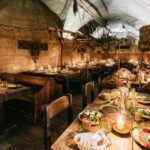
- Prague: Medieval Dinner with Unlimited Drinks★ 4.4 · 19,847 reviews
- Prague: Castle Tour with Local Guide and Entry Ticket★ 4.6 · 10,422 reviews
- Prague: Oldtown, Medieval Underground & Dungeon History Tour★ 4.3 · 10,277 reviews
The “Las más bellas ciudades” plan: smooth logistics, real cities
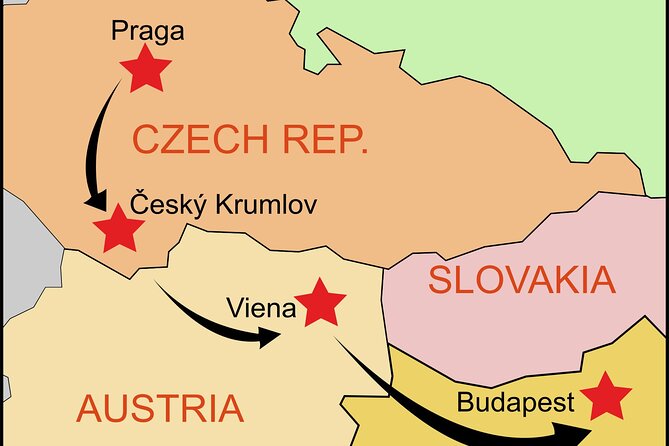
This tour works because it gives you a structure you can relax into. You travel by air-conditioned coach between Prague, České Budějovice, Český Krumlov, Vienna, and Budapest, and you sleep in well-located hotels so you are not constantly commuting. You also get a professional official guide in Spanish, which matters more than you might think once you are standing in a historic center where every building has a backstory.
There is also a size limit of up to 35 people, which keeps the group from turning into a moving crowd. And the guide’s job is not just to talk. From the feedback I’ve seen, Nelson consistently helps with the nuts and bolts—how to get around, what to eat, and how to make the most of the gaps between organized moments. That kind of support is what turns a sightseeing trip into a vacation.
Prague: your base for story and viewpoints
Prague is the kind of city where a good guide changes everything. Without context, you can walk past details and miss why they matter. With an official bilingual Spanish guide, the city becomes easier to read: streets start to connect, landmarks feel less random, and even the small practical tips start to make sense.
You typically get a guided day with the city on foot. Expect a classic Prague feel—old-world architecture, memorable corners, and enough walking to get your bearings. The group also includes an included dinner, which is a nice pressure release. You do not have to decide where to eat after a day of walking; you can focus on the evening.
Then there is the Prague Castle complex visit with admission included. This is a big, layered place, and the format matters. Instead of treating it like a quick photo stop, the tour includes a dedicated admission slot of around an hour for the castle grounds. You will still want time for your own exploring afterward, but the included visit gives you the foundation.
What could annoy you in Prague?
Prague is often about steps and uneven ground. The tour says moderate walking is required, and that matches what you will feel on cobblestones and in hilly areas. If your legs are picky, bring comfortable shoes and plan for short breaks during long viewpoints.
České Budějovice: a smart pause before the postcard
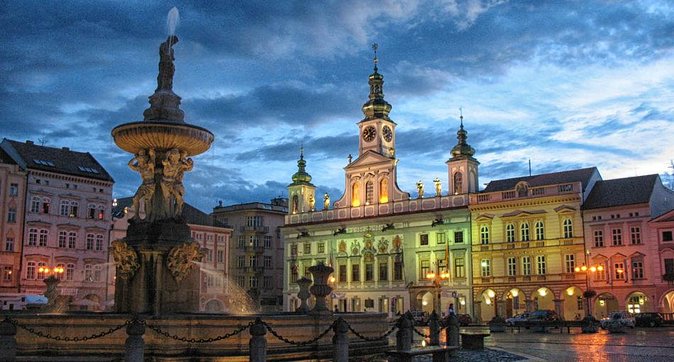
The route includes a stop through the area of České Budějovice on the way to Český Krumlov. You might not spend your entire day here, but it’s a useful reset: it breaks up the long-distance transfer and sets you up for what’s coming next.
Think of this as the “gear shift” segment. You leave Prague, you travel by coach, and then you pass through a different Czech rhythm before hitting one of the most visually famous small cities in the region. If you like moments that help the story of the country feel less one-city-at-a-time, this kind of stop is a plus.

Český Krumlov: why people stop talking and start staring
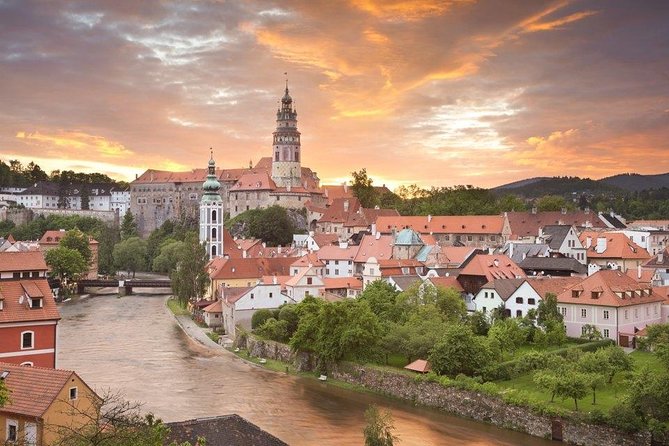
Český Krumlov is the stop that tends to make the trip feel special. It is the kind of place where your brain keeps saying, this can’t be real—then you turn a corner and it is real. The tour includes both the travel day there and time for an organized experience in the town.
The big advantage of having a guided visit is that you do not just walk through a beautiful scene. You learn what you are looking at and how the layout connects to the river and to the town’s historic structure. Even when you are not going full deep into details, the guide helps you notice the things that create the famous look—where the drama is in the architecture and why the views land the way they do.
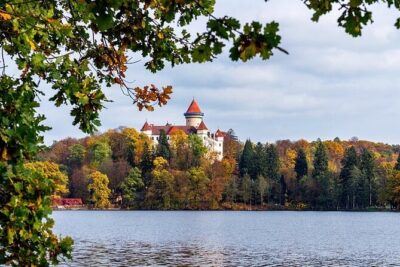
And yes, you also get another castle component in this area, since Český Krumlov is famous for its castle presence. A visit here gives you the feeling of stepping into a storybook, but you still have a plan and a guide to keep you oriented.
The practical downside
Český Krumlov can feel like you are always either going up or going down a bit. The tour is clear that walking is moderate daily, and this town rewards comfortable footwear. If you get tired fast, pace yourself during the organized moments so you still have energy for the unplanned wandering.
Vienna: imperial elegance with a tour rhythm that works
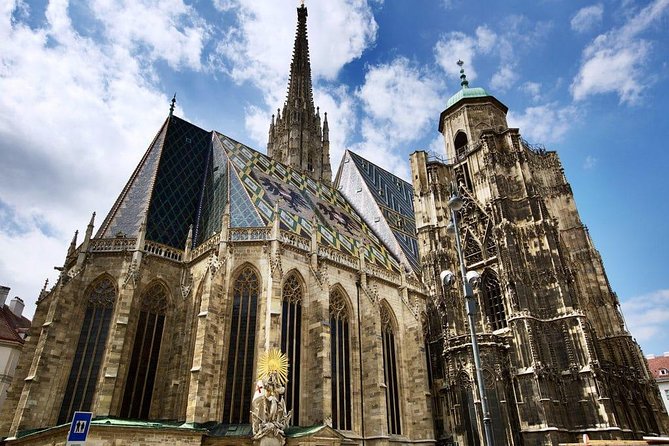
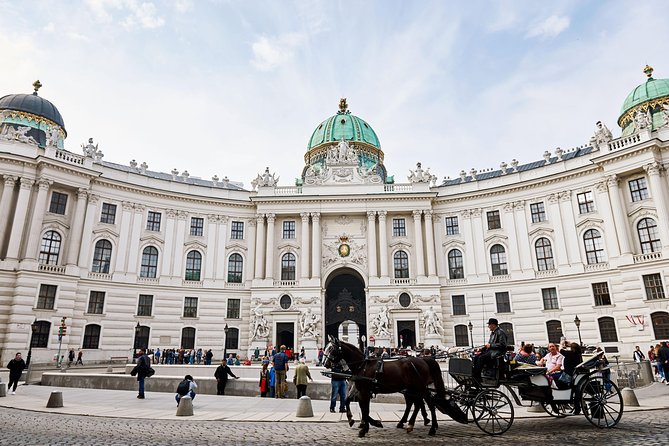
Vienna can overwhelm you if you try to do it on your own with no structure. This tour avoids that by giving you an organized day and letting the rest of your time breathe.
The transport is handled—another coach day to Vienna—and then you get a full day to explore with your guide. The advantage of the guided format is simple: you learn what to see first, you avoid wasting time on wishful detours, and you get a narrative thread that ties together the city’s look and its influence.
Vienna’s style is different from Prague and Český Krumlov. It feels more ordered, more ceremonial. That makes a guided walk even more valuable because you start to understand the design logic: why certain areas feel grand, why the city spreads the way it does, and how the landmarks connect.
One thing to remember in Vienna
Vienna days can tempt you into “one more thing.” The tour gives you an organized plan, but you still need to manage energy. Expect more walking than you would on a pure museum day. If you want to see extra sights on your own, do it with smart timing—after the guide’s main walk—so you do not burn out before the best evening hours.
Budapest: finishing strong with two moods and one river
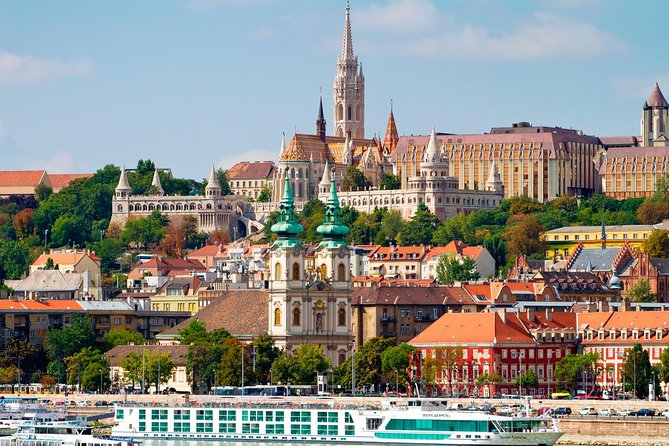
Budapest is a fitting ending. It has the big-city feeling without losing its historic core charm, and it makes a strong contrast with the earlier stops. By the time you arrive, you’ve already seen the medieval and imperial layers of the region—so the final days feel like a synthesis.
You travel there by coach, then get your guided time in the city. The schedule here matters: the first Budapest day is your chance to absorb the skyline and the riverfront energy, and the last day gives you a calmer exit window with time to wrap up before heading to the airport.
The value of the tour format is that it helps you avoid the common mistake of staying “on the wrong side of the map.” Instead, you get a guide-led orientation that makes it easier to choose where to spend your remaining hours once the group plan is done.
The only real caution in Budapest
Like the rest of the trip, this one requires moderate walking. Hills, steps, and long stretches can add up. If you plan to explore far from the group, build in rest stops. The tour is designed for movement, not a sit-and-skip-the-world pace.
Hotels, breakfasts, and included dinners: what you actually get
Let’s talk value, because this tour is not just about the sightseeing. It is about what is already paid for.
You get 7 nights in hotels described as central and 4-star. That is a big practical win. Central hotels reduce daily friction: shorter walks, easier returns, fewer late-night transportation problems, and less time spent figuring out where you are. The tour also includes pickup and return to your hotel, which matters on arrival and departure days.
Meals included are also straightforward:
- Breakfast every day
- Two dinners in typical restaurants
Those dinner inclusions are useful in a concrete way. After a full walking day, you can skip the decision-making and just eat. And since your guide has local context, those dinners tend to be more meaningful than a random recommendation you find online.
What is not included
Travel insurance is not included in the price. If you’re the type who likes to be covered for delays or medical needs, you’ll want to add it separately.
Transportation and meeting style: where the day wins or loses
This tour runs on an air-conditioned coach for the big distance parts. That’s a real comfort factor because the route includes drives around 200 km and 270 km stretches. Instead of spending your entire day on trains or coordinating connections, you get a consistent transport rhythm.
The tour also includes a meeting start time of 11:30 am and a plan built around that. On arrival, you typically have time to settle in your Prague hotel first, then the organized city rhythm kicks in the next day.
Group size cap (up to 35) plus professional guiding tends to keep the day organized. From the feedback I’ve seen, Nelson’s approach is especially helpful when you want to go out during free time. That is a quieter kind of value—less flashy than a ticket, but it saves you from typical tourist chaos.
Price and value: why this costs what it costs
The price listed is $1,363.71 per person for roughly 8 days. Here is how I’d judge value without pretending it is cheap.
You are paying for:
- 7 nights in central 4-star hotels
- Daily breakfast
- An official bilingual Spanish guide
- Hotel pickup and drop-off
- Air-conditioned coach transport across multiple city-to-city transfers
- Tours on foot
- Prague Castle complex admission
- Two included typical dinners
- Local taxes
For many people, the biggest “hidden cost” in Europe trips is logistics. Transfers, coordinating lodging locations, and trying to self-plan a multi-city arc can balloon fast. This tour bakes in the main friction points, so you can spend your energy actually looking at things.
Could you do it cheaper alone? Sure, depending on your hotel choices and how efficiently you plan. But if you want a guided backbone—especially with a Spanish-speaking official guide—and you care about central lodging, this starts to look like a fair deal rather than a luxury.
Who should book this tour
This is a good fit if you:
- Want Prague, Český Krumlov, Vienna, and Budapest in one coherent trip
- Prefer a Spanish official guide over piecing together tours
- Like hotels that are central so you can step out easily
- Are OK with moderate daily walking and long-distance coach days
- Appreciate help in free time, not just during the scheduled walk
It may be less ideal if you:
- Want a totally slow pace with minimal walking
- Need lots of downtime between cities
- Expect every stop to be a deep, long stay with no transfers
Should you book Las más bellas ciudades de Europa Central?
If you want a guided route that hits the highlights of Central Europe while keeping logistics under control, I think this is a strong choice. The combination of central 4-star hotels, included breakfasts, a professional official guide in Spanish (especially with Nelson Villarroel’s hands-on support), and key admissions like Prague Castle means you spend less time managing and more time experiencing.
Book it if you like structure and you want your days to flow. Skip it if you want a totally independent, ultra-slow itinerary. For most people aiming at a high-impact first pass through Prague–Czech Krumlov–Vienna–Budapest, this one is built to deliver.
FAQ
What cities are included in this tour?
The route covers Prague, České Budějovice, Český Krumlov, Vienna, and Budapest, with airport transfer at the end.
How long is the tour?
It runs for about 8 days.
Does the price include hotel stays?
Yes. It includes 7 nights of lodging in central hotels rated 4-star, plus daily breakfast.
Is pickup from the hotel included?
Yes. The tour includes pickup and return to the hotel.
What meals are included?
Breakfast is included every day, and there are two included dinners at typical restaurants.
Is Prague Castle admission included?
Yes. Entrance to the Prague Castle complex is included, and there is also an included admission slot of about an hour tied to that visit.
What kind of transportation is used between cities?
You travel by air-conditioned coach between stops.
Can I request special dietary needs?
Yes. You should inform the provider at booking about any special dietary requirements.
What is the cancellation policy?
You can cancel for a full refund if you do so up to 24 hours before the experience’s start time, based on local time.