
REVIEW · KUTNá HORA DAY TRIPS
Kutna Hora and Bone Chapel Private Day Trip from Prague
Bones, churches, and silver money in one day. This private outing to Kutná Hora pairs a guided sweep of standout Gothic and Baroque landmarks with the famously bone-decorated Sedlec Ossuary—all handled with Prague hotel pickup and an air-conditioned car.
What I like most is how the guide turns scattered sights into one story. I love the way stops connect to Kutná Hora’s money, water supply, and religious power—things like the late Gothic Cathedral of St. Barbara and how mining shaped the town’s buildings. I also really appreciated the personal touch in the walking pace and explanations, with lunch guided by recommendations from Eva Prague Tours.
One consideration: this trip isn’t all-in on admissions. Several major sites are paid separately in euros, and the day still works best if you’re comfortable with short walks and quick transitions. Also, in an outlier case, a review noted the guide’s attention was more split than expected—so if you want constant talk-through narration, it’s smart to confirm your preferences ahead of time.
In This Review
- Key things that make this trip worth your time
- Kutná Hora: the medieval “silver town” escape that feels worlds away
- Price and what you’re really paying for (plus the add-ons)
- How the 7-hour private schedule feels in real life
- St. Barbara’s Cathedral: the miner’s church that controls the whole skyline
- Stone Fountain and St. James Church: small stops with big details
- Jesuit College: the bridge-like terrace and the politics behind it
- Italian Court: where silver coins were minted, not just admired
- Sedlec’s cathedral and the cemetery church: UNESCO isn’t just one building
- The Sedlec Bone Ossuary: what you’re looking at and why it was made
- Lunch in Kutná Hora: a real break, not a rushed sandwich stop
- What to pack and wear for this kind of day
- The guide and driver factor: Eva’s strength (and what to watch for)
- Who should book this private Kutná Hora and Bone Chapel trip
- Should you book this tour?
- FAQ
- How long is the Kutná Hora and Bone Chapel private day trip?
- Is hotel pickup and drop-off included?
- What’s included in the tour price?
- Are entrance fees included for the sights?
- Do we get lunch during the tour?
- Is the tour private or shared with other groups?
- What language is the tour offered in?
- Is the tour suitable for children and for what fitness level?
Key things that make this trip worth your time
- Private, air-conditioned transport with Prague hotel pickup and drop-off
- Sedlec Ossuary context, including why about 40,000 people’s bones were arranged in 1870
- St. Barbara’s Cathedral and miner symbolism that actually explains the architecture
- UNESCO sites beyond the ossuary, including Sedlec’s Gothic-Baroque cathedral area
- Architecture details with names, like Matěj Rejsek and Jan Blažej Santini
- Lunch planning built in, with a local Czech restaurant recommendation (own expense)
An hour east to the bone church. More Kutna Hora day trips.
- From Prague: Kutná Hora, St.Barbara’s Church, Sedlec Ossuary★ 4.3 · 851 reviews
- Kutná Hora from Prague – The Bone Church & St. Barbara’s★ 4.3 · 620 reviews
- Day Trip to Kutná Hora by train from Prague★ 4.5 · 587 reviews
- Kutna Hora Day Trip from Prague★ 4.0 · 570 reviews
Kutná Hora: the medieval “silver town” escape that feels worlds away
Prague is loud in a beautiful way. Kutná Hora is quieter, smaller, and more focused—built on the wealth of silver mining and its knock-on effects across churches, money systems, and even water pipes. On a private day trip like this, you get out of the city fast and still return with a complete, guided loop of the best-known UNESCO-linked stops.
This is also a great choice if you’ve already seen the biggest Prague highlights. You’ll get different architecture and a totally different tone: mining-era Gothic, Baroque flourishes, and Sedlec’s cemetery-church atmosphere. Even if you’re not a history nerd, the places are intense enough to pull you in.
The best part for practical travelers: you’re not left juggling maps and ticket lines for a full day. Your guide keeps the route logical and the explanations tied to what you’re standing in front of—so the bus-and-brochure vibe doesn’t take over.
Price and what you’re really paying for (plus the add-ons)
At $355.27 per person, this is priced like a private full-day tour—not a group day trip. You’re paying for the combination that’s hard to DIY in one day: Prague hotel pickup and drop-off, private transport, and a professional guide for about 7 hours.
Then there’s the part you should plan for: major admissions are not included. Based on the listed fees, you should expect around:
- St. Barbara Cathedral: €10 per person
- Sedlec Cathedral (Assumption of Our Lady and St. John the Baptist): €9 per person
- Sedlec Ossuary: €9 per person
- Church of St. James: €4 per person
That’s roughly €32 per person in key paid sites, plus lunch (own expense). If you add it up, the overall value becomes clear: your guide and transportation are doing most of the work, while you only pay at the few money-driven stops.
One more practical detail: the ossuary and cathedral areas are exactly the kind of places where skipping stress matters. Even if you’re comfortable buying tickets on your own, a guided schedule helps you avoid wandering time and keeps the day moving.
How the 7-hour private schedule feels in real life
This tour runs about 7 hours, with pickup from your hotel or Airbnb. If you’re using the standard starting point, it’s the Prague Marriott Hotel (V Celnici 8, Nové Město). Either way, you’ll be met and driven to Kutná Hora in an air-conditioned vehicle with bottled water.
The pacing is built around short visits—think 15 to 30 minutes per stop—so you can see a lot without turning it into a marathon. That works well for most people with moderate fitness. You’re walking around town centers and church areas more than climbing anything extreme, but you should still wear shoes that can handle uneven stone streets.
Because it’s private, you also don’t have the same pressure as in a big coach group. If you want an extra minute at a view point or you’re lingering inside a church, the schedule is generally flexible. Just remember: it’s still a timed loop, so plan to use that flexibility efficiently.
St. Barbara’s Cathedral: the miner’s church that controls the whole skyline
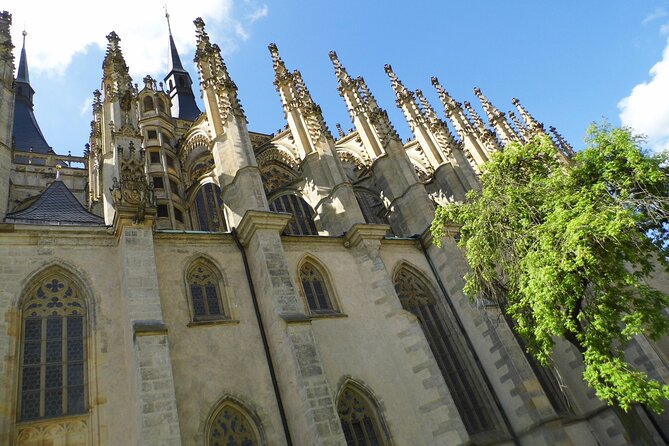
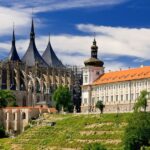
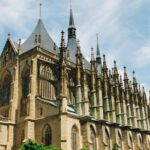
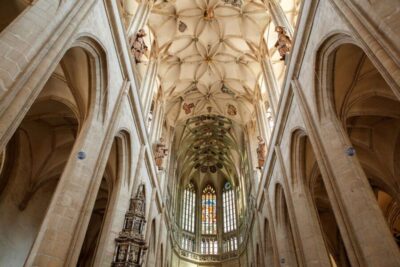
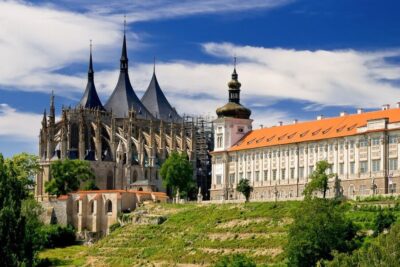
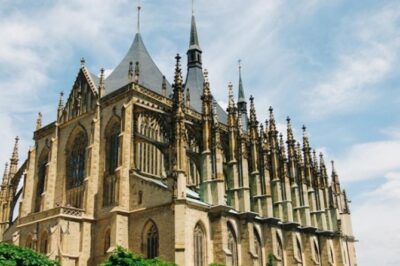
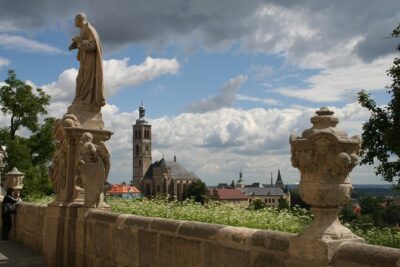
Kutná Hora’s identity is basically written in stone, and St. Barbara’s Cathedral is the clearest letter. Dedicated to St. Barbara, patron saint of miners, it reflects the town’s “silver wealth” era—late Gothic, monumental, and unmistakable on the skyline.
Two design details are the kind you’ll actually remember later:
- The cathedral’s distinctive structure with its three-tent roof and intricate flying buttresses
- The feeling that the building was engineered to show power, not just hold services
Admission isn’t included, so you’ll need to plan for the €10 ticket if you want to go inside. The payoff is that you’re not simply checking a box—you’re learning what mining meant for the people who built this.
Even if you’re only able to spend part of the visit time, getting the architecture explained first makes the building “click.” You’ll walk away with a better sense of why Kutná Hora earned UNESCO recognition in the first place.
More private, guide-to-yourself outings in Prague.


Stone Fountain and St. James Church: small stops with big details
On Rejsek Square, the Gothic Stone Fountain is easy to overlook if you’re rushing. Don’t. It was built in 1493 by architect Matěj Rejsek—the same creative force behind Prague’s Powder Tower and work on St. Barbara’s Church. It’s also unusually large: about four meters tall and twelve-sided.
Here’s the practical story to listen for: during mining disruptions, local water supply failed, so water was brought from a well four kilometers away through wooden pipes. That’s not just trivia—it’s how the town physically survived its own boom.
Next comes the Church of St. James, the “tall” one in the skyline conversation. Its slender tower reaches 86 meters, and construction ran from 1330 to 1420. You’ll also see the “what could have been” side: the plan included two towers, but mining instability in the ground meant only one was completed. The unfinished second tower portion is visible on the exterior, which gives you a rare look at how geology and ambition collided.
Both stops are relatively quick and don’t require admissions (the fountain is free, and St. James is listed as free/with a paid note in the provided fees). If you’re trying to keep the paid-ticket budget tight, these are good anchors because they add meaning without eating your time.
Jesuit College: the bridge-like terrace and the politics behind it
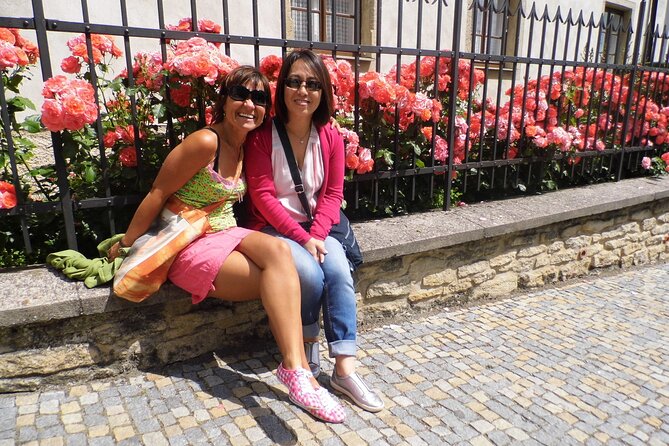
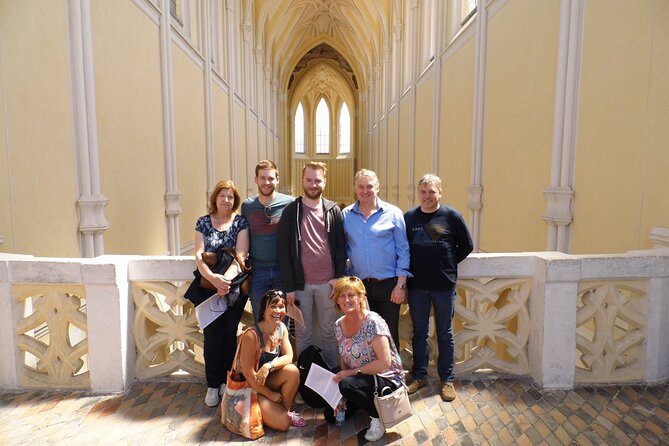
The Jesuit College near St. Barbara’s is one of those places where the guide’s explanation turns a building into a timeline. The Jesuits arrived in 1626 to convert the area to Catholicism, and they built the college next to St. Barbara’s with a covered bridge connection.
You’re also seeing architecture that tries to control an image. The college building evolved over time (built 1667 to mid-18th century), and the terrace in front includes 13 statues of saints on a low wall, creating a pseudo-bridge effect that’s meant to resemble Prague’s Charles Bridge and Royal Route.
If you like Baroque-era messaging—how institutions shape what people see—this stop pays off. It also helps explain why Kutná Hora didn’t follow one religious or political storyline. It kept changing, and the buildings changed with it.
Italian Court: where silver coins were minted, not just admired
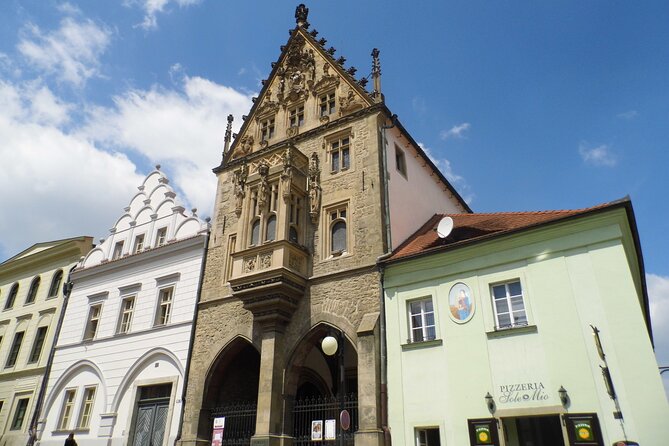
The Italian Court is a money stop, but it doesn’t feel like a museum lecture. It’s where medieval coin production happened when King Wenceslas II pushed a central minting reform in 1300.
The key details to notice:
- Florentine bankers were summoned to help implement the reform
- scattered mints were closed
- a central mint was established in Kutná Hora’s Italian Court
- the reform supported stronger currency, including silver Prague groschen coins
This is one of my favorite stops for travelers who like cause-and-effect. Mining made Kutná Hora wealthy, and then wealth needed a system to manage and trade it. The Italian Court is the “how” behind the “silver boom.”
Admission isn’t included here, so keep that in mind for your total day cost.
Sedlec’s cathedral and the cemetery church: UNESCO isn’t just one building
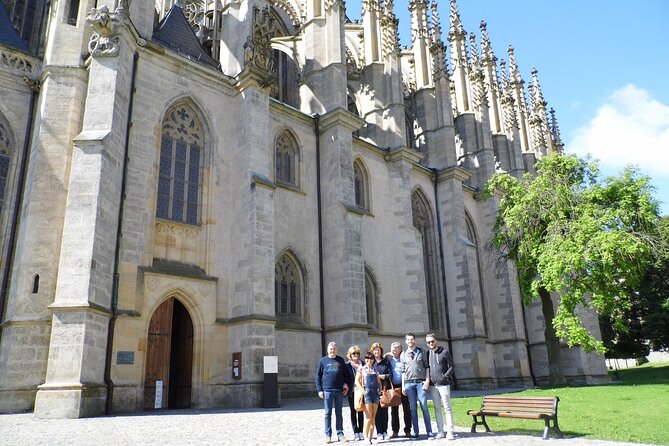
Sedlec is where the tone shifts. The Cathedral of Assumption of Our Lady and St. John the Baptist is part of a UNESCO World Heritage site and sits within the former Cistercian monastery area. It’s tied to Kutná Hora’s silver prosperity, when King Wenceslas II founded the monastery in the early 1300s.
A key historical thread you’ll hear: the monastery and church were burned down by the Hussites in 1421, and renovation didn’t happen until the early 18th century. Then the Baroque Gothic rebuild by architect Jan Blažej Santini helped create a combination of Gothic structure with Baroque design that isn’t found in the same way elsewhere in Europe.
This is a good moment to slow down. Even if you only have 30 minutes, the cathedral’s blend of eras is the kind of visual contrast you can feel immediately.
Next is the Cemetery Church of All Saints with the Ossuary underneath it. This church dates from the end of the 13th century, then got a Baroque rebuild in 1698. It’s a quieter stage-setter for what’s under the floor, and the guide’s context makes it less shocking and more meaningful.
Admission for the cathedral and church/ossuary areas is listed as not included, so plan for the extra euros.
The Sedlec Bone Ossuary: what you’re looking at and why it was made
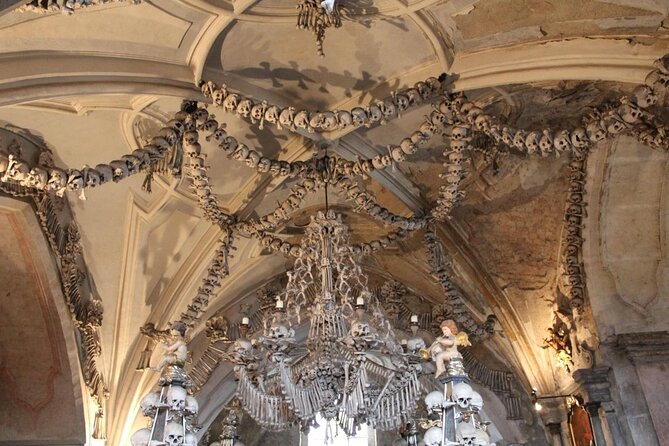
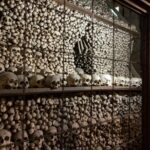
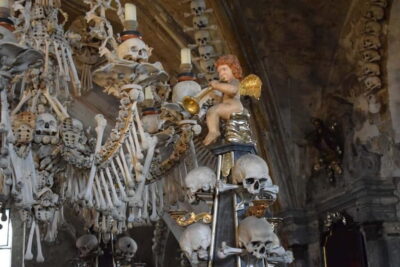
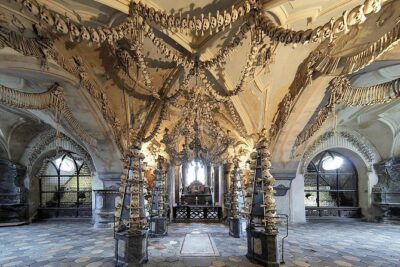
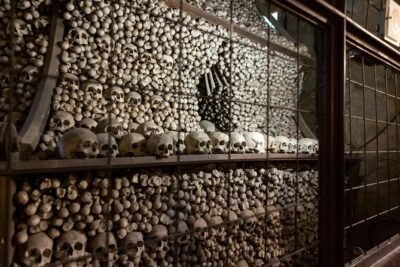
The Sedlec Ossuary is the main reason most people come, and it can be intense. It contains bones of about 40,000 people—including victims of the plague in 1318 and those who died in the Hussite wars in the 15th century.
Here’s the story that changes how you experience it:
- The bones originally were buried at the church cemetery.
- When the cemetery was closed at the end of the 15th century, the exhumed bones were moved into the chapel.
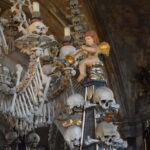
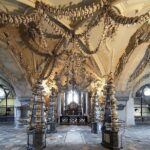
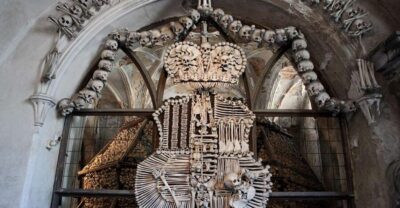
- In 1870, František Rint of Česká Skalice arranged the bones and skulls into decorative forms: pyramids, a chandelier, bells, and even the Schwarzenberg coat-of-arms.
That 1870 redesign is the heart of why this place goes beyond shock value. It’s a deliberate artistic choice made generations after the deaths, so it reads like a symbol of mortality and remembrance rather than a random display.
If you’re sensitive to death-related themes, prepare yourself before you enter. But if you’re curious about how cultures handle mortality through art, this is one of Europe’s most striking examples.
Admission isn’t included (listed as €9), so it’s part of your paid add-ons list. Expect your time here to be focused. You’ll likely feel the urge to look longer than the scheduled stop length—so if you’re coming for the ossuary alone, choose shoes and clothing that keep you comfortable for close-up viewing.
Lunch in Kutná Hora: a real break, not a rushed sandwich stop
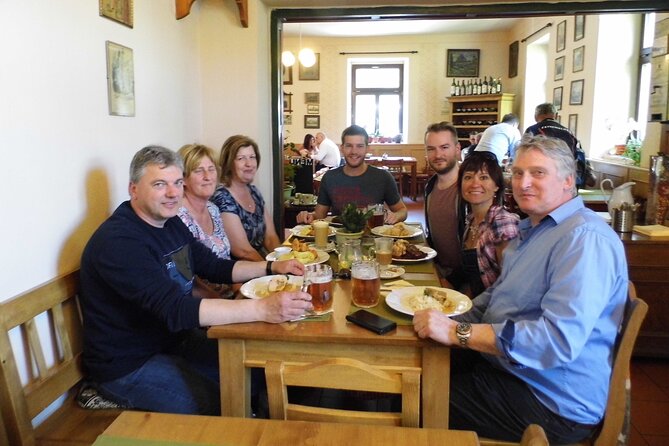
Lunch is not included, but the tour includes time to eat at a local Czech restaurant in the center of Kutná Hora. This matters more than it sounds. Kutná Hora isn’t Prague, so it’s easy to end up with a touristy menu unless someone points you to a good option.
In the strongest examples of this tour, the lunch recommendation was called out as excellent, and the guide used the meal time for conversation about local customs and history. That’s a sweet spot: you get a break from standing around churches while still keeping the day coherent.
If you’re hungry, plan to eat early enough that you don’t spend your best energy waiting. And if you have dietary needs, tell the guide before you settle in—because the tour keeps you moving and you won’t want to lose the rhythm searching for a last-minute alternative.
What to pack and wear for this kind of day
Dress code is smart/casual, which is code for: comfortable enough to walk, neat enough for churches. I’d stick with layers. Churches can feel cooler than the street, and the day includes both indoor and outdoor time.
Practical packing tips:
- Comfortable walking shoes for stone streets
- A small bottle of water or you can rely on the provided bottled water
- A light layer for churches (you’ll often want it)
If you’re traveling with someone who has limited mobility, this route might still be manageable, but the short walks and older building entrances mean you should think carefully. The tour asks for moderate physical fitness, so be honest about your limits.
The guide and driver factor: Eva’s strength (and what to watch for)
A lot of the tour’s magic is in the guide. Eva Prague Tours is named across strong reviews for being prompt, informative, and personal, with a conversational style that makes the day feel less like a checklist. When you get that version of the tour, you’ll leave with a clearer sense of how each stop ties to mining, faith, and money—especially around St. Barbara’s Cathedral and the Sedlec sites.
There was also one outlier review describing a less ideal vibe: the guide reportedly spent much of the ride speaking more to the driver and using a phone rather than talking to the paying group. That’s not the norm reflected in the overall rating, but it’s worth noting as a “fit” factor.
My advice: if you care a lot about guide-led storytelling throughout the drive, send a quick message after booking. Ask for a more talk-through style for the travel segments.
Who should book this private Kutná Hora and Bone Chapel trip
This is a great fit if you want:
- A private day that feels paced and guided, not rushed
- UNESCO sights plus the Sedlec Ossuary, without DIY stress
- Architecture and stories tied to why things were built, not just what they look like
It’s especially good for small groups that can appreciate a focused route. If you’re traveling as a couple, a private format also means you can better match the pace to how long you like to linger in churches.
If you hate extra admissions costs, this might feel like you’re paying twice. But if you budget for about €32 in key fees (and lunch), the day becomes straightforward.
Should you book this tour?
I’d book it if you want a guided UNESCO-style day that actually explains what you’re seeing—especially around St. Barbara’s Cathedral and the Sedlec Ossuary’s bone-art tradition. The private transport and hotel pickup remove the big friction point of doing Kutná Hora on your own, and the lunch plan keeps the day from feeling like a nonstop sprint.
I’d reconsider if you’re looking for an all-in ticket price or if you strongly prefer nonstop guide conversation during the drive. In that case, confirm your preferences early.
If you’re deciding whether to do this on a weekday or weekend: the tour is generally booked about 60 days in advance on average, so early planning is smart.
FAQ
How long is the Kutná Hora and Bone Chapel private day trip?
It lasts about 7 hours.
Is hotel pickup and drop-off included?
Yes. Pickup and drop-off are included, and you’re picked up from your hotel or Airbnb.
What’s included in the tour price?
Included are hotel pickup and drop-off, an air-conditioned vehicle, a professional guide, and bottled water, plus a mobile ticket.
Are entrance fees included for the sights?
No. Several sites have separate admission fees in euros, including Sedlec Ossuary and St. Barbara’s Cathedral, among others.
Do we get lunch during the tour?
Lunch is not included. You’ll have lunch in a local Czech restaurant in Kutná Hora (own expense), and you can follow the guide’s recommendation.
Is the tour private or shared with other groups?
It’s private. Only your group participates.
What language is the tour offered in?
It’s offered in English.
Is the tour suitable for children and for what fitness level?
Children must be accompanied by an adult. The tour asks for a moderate physical fitness level.
More Prague Private Tours
More Tour Reviews in Prague
More Kutna Hora Day Trips
More Prague tours we have written up lately

Kutná Hora Day Trips, compared.
 ★ 4.6From Prague: Kutna Hora UNESCO Site Tour with Bone ChapelFrom $811,917 reviews
 ★ 4.3From Prague: Kutná Hora, St.Barbara’s Church, Sedlec OssuaryFrom $90851 reviews
 ★ 4.3Kutná Hora from Prague – The Bone Church & St. Barbara’sFrom $57620 reviews
 ★ 4.5Day Trip to Kutná Hora by train from PragueFrom $83587 reviews
 ★ 4.0Kutna Hora Day Trip from PragueFrom $73570 reviews
 ★ 4.5Kutna Hora Day Tour Including Sedlec Ossuary from PragueFrom $96403 reviews
 ★ 4.7From Prague: Kutna Hora and Bone Chapel TourFrom $823327 reviews
 ★ 4.5Half Day Trip to Kutna Hora and Bone Church from PragueFrom $78196 reviews
Browse the lists this tour appears in